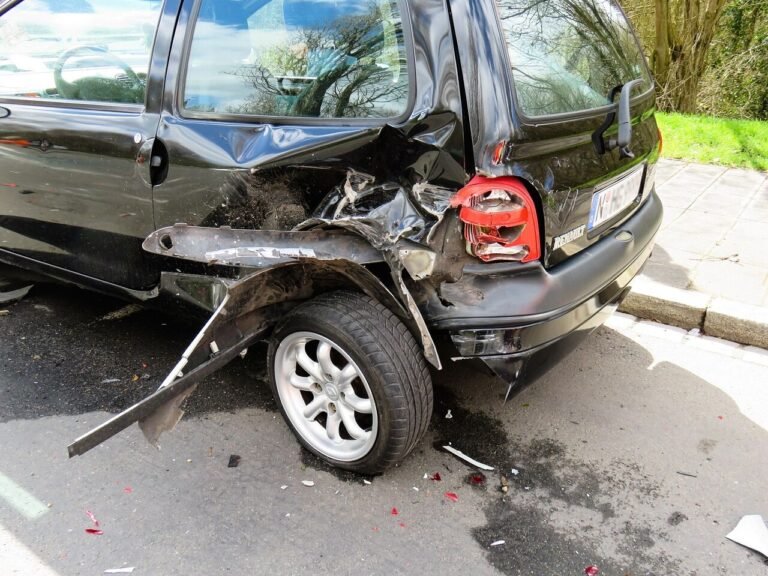
A flat tyre on a dark motorway at eleven at night is a miserable experience. Hazard lights blinking, lorries thundering past, and the spare buried under a boot full of luggage. This is the exact moment roadside assistance earns its keep.
Roadside assistance is an optional add-on to your car insurance that pays for emergency help when your car lets you down. One phone call brings a tow truck, a jump start, or a locksmith to wherever you are stuck.
It is also one of the cheapest add-ons you can buy, which makes many drivers wonder why everyone does not carry it. The honest answer is that it suits some drivers far more than others. This guide explains what it covers, what it costs, and how to decide whether it is worth it for you.
What Roadside Assistance Usually Covers
Most add-ons cover the same core emergencies, though details vary between insurers:
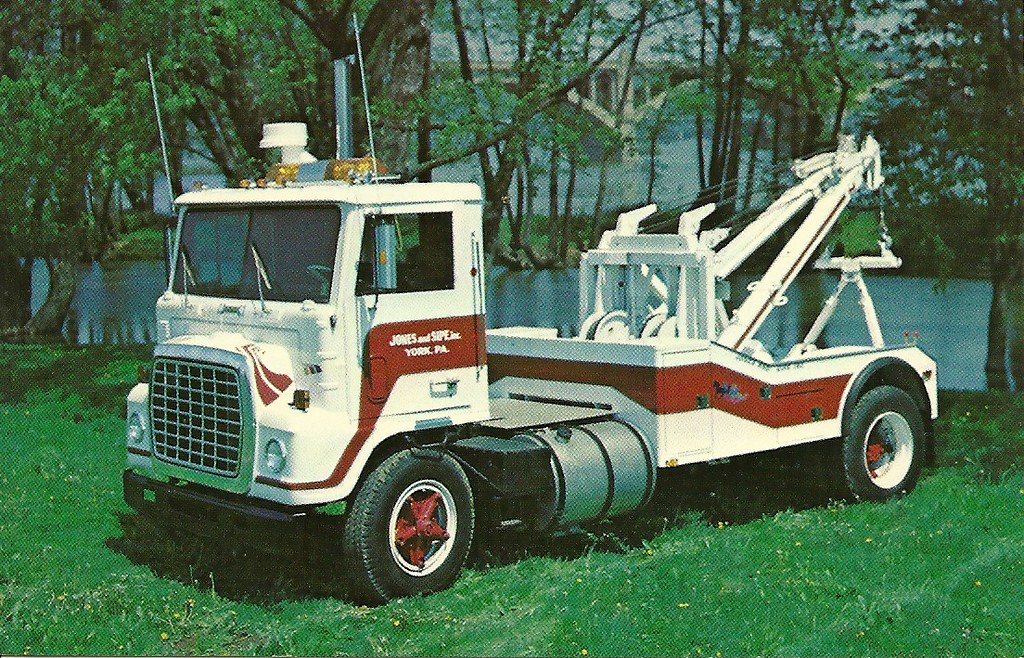
- Towing to the nearest garage, or a garage of your choice within a mileage limit
- Jump starts and battery assistance when your car will not turn over
- Flat tyre changes, where the technician fits your spare at the roadside
- Lockout service if you leave your keys inside the car
- Emergency fuel delivery, usually enough to reach the next station
- Winching if your car slides off the road or gets stuck in mud or snow
Some insurers add extras such as trip interruption cover for meals or a hotel if you break down far from home. These are less common on basic add-ons, so check the wording before assuming they are included.
How It Works on a Car Insurance Policy
Your insurer gives you a dedicated helpline number. You call it, describe the problem and your location, and the insurer dispatches a local recovery firm. You do not pay the driver on the spot, because the insurer settles the bill directly.
A few insurers use a reimbursement model instead, where you arrange help yourself and send in the receipt. That is far less convenient at midnight on a motorway, so ask which model yours uses before buying. Roadside help sits naturally alongside other extras; our guide to the top car insurance add-ons worth buying ranks the ones that justify their price.
One common misunderstanding is that full coverage includes roadside help. It does not. If you are unsure what full coverage actually includes, read our breakdown of what full coverage car insurance really covers. The Insurance Information Institute also publishes straightforward explainers on each coverage part.
Insurance Add-On vs Motoring Club vs Manufacturer Cover
You have three main routes to roadside help: your insurer, a motoring club, or the breakdown cover bundled with a new or certified used car. Each has a different strength.
The insurance add-on is usually the cheapest and simplest, since it lives on a policy you already pay for. The trade-off is narrower limits, especially on towing distance, and it only covers the cars listed on your policy.
A motoring club membership costs more but follows you rather than the car, so you are covered even as a passenger in someone else’s vehicle. Manufacturer cover is free while it lasts, but it expires with the warranty and applies only to that specific car.
For many drivers the insurance add-on is plenty. If you regularly drive other people’s cars, take long rural trips, or want the longest tow distances, a club membership may justify its higher price.
What It Typically Costs
Roadside assistance is one of the least expensive add-ons in car insurance. Most drivers pay only a small amount extra each year, far less than a standalone motoring club membership.
The exact price depends on your insurer, your state, and the limits you choose. Higher towing mileage caps and more service calls per year push the price up, but even generous versions stay modest next to the cost of a single private tow.
That comparison is the simplest way to judge the value: one tow arranged privately can cost more than several years of the add-on. One bad night on the motorway can pay for the cover many times over.
The Limits That Actually Matter
Cheap cover with the wrong limits is no bargain. Check these numbers before you buy:
- Towing mileage cap: how far the truck takes your car on the insurer’s bill
- Service call limit: how many callouts per policy term, often three or four
- Per-incident cap: the maximum the insurer pays for a single event
- Covered vehicles: whether the add-on covers listed cars only or anyone driving them
Pay special attention to the towing cap if you commute long distances or drive rural roads. A ten-mile limit is fine in a city and useless fifty miles from the nearest garage.
What It Does Not Cover
Roadside assistance is emergency help, not a maintenance plan. It will not pay for new parts, and it will not cover the repair bill once your car reaches the garage.
It also does not cover accident recovery beyond the initial tow; that falls to collision cover. Commercial use such as delivery driving is usually excluded, and a callout for a fault you already knew about can be refused. Read the exclusions with the same care you give the inclusions.
Who Benefits Most and Who Should Skip It
The drivers who get the most from it are easy to spot: an older car with high mileage, long commutes often at night, or a one-car household with no backup plan when it fails.
If that sounds like you, the add-on is almost certainly worth it. Older vehicles break down more often, and the maths is unforgiving when a single tow costs more than years of cover. Our guide to car insurance for older cars looks at the full picture of protecting a high-mileage vehicle.
You can reasonably skip it if your car is still under the manufacturer’s roadside programme, if you already carry a motoring club membership, or if you have two cars and a flexible schedule. Paying twice for the same safety net is the one real waste here.
Will Using It Raise Your Premium?
Roadside callouts are generally not treated as claims against your policy, so a jump start or a tow does not normally push your premium up. Insurers view these as service events rather than accidents.
An extreme pattern of callouts could still prompt questions at renewal, and every insurer writes its own rules. If you expect to use the service often, ask your insurer directly how they treat service calls. Consumer resources from the National Association of Insurance Commissioners explain how optional coverages work in each state.
Frequently Asked Questions
Is roadside assistance the same as towing coverage?
Roughly, yes. Most insurers use the two terms for the same add-on, though towing cover sometimes means only the tow while roadside assistance bundles in jump starts, lockouts, and fuel delivery. Check whether your policy lists one service or the full bundle.
Does roadside assistance cover me in someone else’s car?
Usually not. Insurance-based roadside assistance normally covers the vehicles listed on your policy, not you as a person. If you often drive or ride in other people’s cars, a motoring club membership that follows the member is the better fit.
How many times can I use roadside assistance in a year?
Most policies allow a set number of service calls per term, commonly three or four. Once you use them up, further callouts come out of your own pocket until renewal. Drivers of older cars should consider the version with more calls.
Does it cover a flat tyre if I have no spare?
The technician can usually tow you to the nearest tyre shop if there is no usable spare, but the new tyre itself is yours to pay for. Roadside assistance covers the labour and the tow, not parts or replacements.
Can I add roadside assistance in the middle of my policy term?
In most cases, yes. Insurers generally let you add optional coverages mid-term, with the change taking effect within a day or two. You do not need to wait for renewal, which is handy if a long road trip is coming up.
The bottom line
Roadside assistance is cheap, simple, and pays for itself the first time you need a tow. Buy it if you drive an older car, commute far, or have no backup vehicle. Skip it only if another programme already covers you. Either way, make the decision deliberately, not by default.