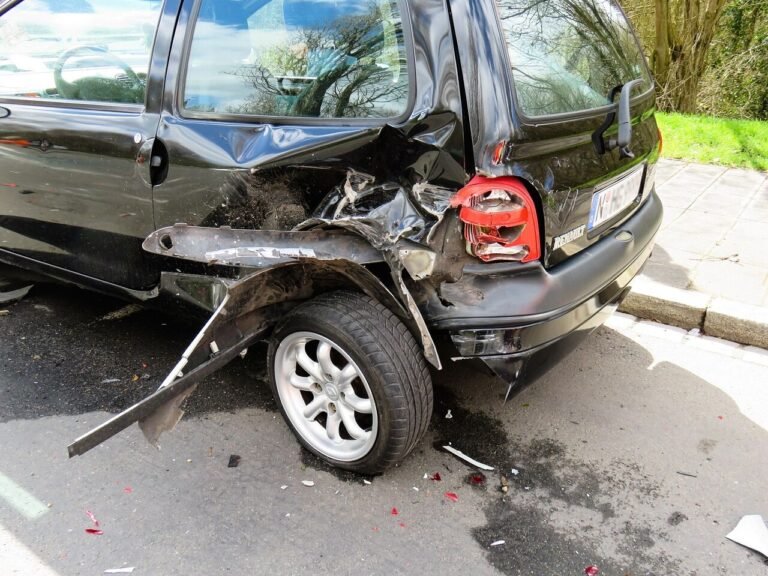
Your car is repaired, it looks fine, and it drives fine. But when you check its resale value, it has dropped. Buyers pay less for a car with an accident history, even when the repairs were perfect.
That lost value has a name: diminished value. And in many situations, you can file a claim to recover it. Most drivers have never heard of this, which means insurers rarely volunteer to pay it.
This guide explains what diminished value claims are, when you can file one, how insurers calculate them, and how to build a claim that actually gets paid.
What Diminished Value Means
Diminished value is the difference between what your car was worth before the accident and what it is worth after being repaired. The repair fixes the damage, but it cannot erase the vehicle’s history.
Modern vehicle history reports make this unavoidable. Any serious buyer or dealer will run a report, see the accident, and discount their offer accordingly. That discount is real money out of your pocket, caused entirely by someone else’s negligence.
The principle behind these claims is simple: the at-fault party should restore you to the position you were in before the crash. A repaired car worth less than a never-damaged one means you have not been fully restored.
The Three Types of Diminished Value
Inherent diminished value
This is the most common type and the one most claims are about. The car was repaired properly, but it is still worth less simply because it now has an accident on its record. Even flawless repairs cannot fix buyer perception.
Repair-related diminished value
This covers value lost because the repairs themselves were substandard: mismatched paint, non-original parts, or panel gaps a buyer can spot. If the shop did poor work, this is a separate layer of loss on top of the inherent kind.
Immediate diminished value
This is the theoretical difference between the car’s pre-accident value and its value immediately after the crash but before repairs. It is rarely claimed on its own, but the concept underpins how the other two types are understood.
When You Can File a Claim
Here is the critical point most people miss: diminished value is claimed against the at-fault driver’s insurer, not your own. It is part of the liability they owe you for damaging your property.
First-party claims, meaning claims against your own collision cover, generally do not include diminished value. Your policy promises to repair the car, not to protect its market value. A few states and a few policy wordings are exceptions, but they are rare.
This means you need a not-at-fault accident with an identifiable at-fault driver. If you were at fault, or if the other driver is uninsured and you are relying on your own cover, diminished value is usually off the table.
Timing matters too. File the diminished value claim after repairs are complete, since the final repair quality affects the valuation. Our walkthrough of how to file a car insurance claim properly covers the main claim process that runs alongside this one.
How Insurers Calculate It: the 17c Formula
Many insurers use a method called the 17c formula, which comes from a Georgia court case and is now applied well beyond that state. Understanding its structure helps you see why initial offers are often low.
The formula starts by capping the base figure at 10 percent of the car’s pre-accident value. It then applies two multipliers: one for the severity of the damage and one for the car’s mileage. Higher mileage and minor damage both shrink the result.
The 10 percent cap is the controversial part. It bears no necessary relationship to the actual market loss, which is why independent appraisals frequently produce much higher figures. Treat the insurer’s 17c number as an opening position, not a final answer.
Georgia’s own insurance regulator publishes consumer guidance that is worth reading if you want the official view. The Georgia Office of Insurance site is a good example of how state departments explain your rights.
Filing Your Claim, Step by Step
The process is straightforward, but documentation wins these claims. Follow these steps in order:
- Complete the repairs first and keep every invoice, photo, and repair order.
- Get an independent diminished value appraisal from a qualified auto appraiser.
- Write to the at-fault driver’s insurer demanding the appraised amount, attaching the appraisal and repair records.
- Negotiate. The first response is usually a low counteroffer or a 17c-based figure.
- Escalate if needed: a complaint to your state insurance department or a letter from a lawyer often moves things along.
Put everything in writing from the start. Phone promises are hard to enforce, while a paper trail of letters and emails keeps the adjuster accountable. Note the claim number of the original accident claim on all correspondence so the two files stay linked.
Evidence That Wins Claims
The single most persuasive document is a professional diminished value appraisal. A qualified appraiser inspects the repaired car, researches comparable vehicles with and without accident histories, and produces a reasoned valuation. Insurers take these far more seriously than a number you calculated yourself.
Comparable listings strengthen the case further. Print asking prices for the same make, model, year, and mileage, split between clean-history and accident-history examples. The gap between the two groups is your loss, demonstrated with market data.
Dealer statements help too. A written note from a dealer saying they would offer less for your car because of its history is simple, credible evidence. Two or three such statements, gathered in an afternoon, can be surprisingly effective.
Keep your expectations grounded by understanding how insurers think about repairs and costs generally. Our article on how companies handle repairs and claim costs explains the incentives driving the adjuster’s behaviour.
What Payouts Look Like
Payouts vary enormously. A minor bumper repair on an older car with high mileage might yield a modest sum, while structural damage on a nearly new or luxury vehicle can produce a substantial payment. The car’s value, the damage severity, and the quality of your evidence are the three levers.
Age and mileage work against you in two ways. Older, high-mileage cars have less value to lose, and formulas like 17c explicitly discount for mileage. The strongest claims involve newer, lower-mileage vehicles with significant but well-repaired damage.
Be realistic about total losses as well. If the car was declared a total loss, diminished value does not apply, because you were paid the car’s full pre-accident value instead. Our guide to what happens after a total loss payout covers that separate process.
State Rules That Limit Claims
Diminished value law is state-specific, and the differences are sharp. Georgia is the most claimant-friendly state, with clear case law supporting these claims. Many other states recognise them in principle but with practical hurdles.
A few states limit or effectively bar third-party diminished value claims, and statutes of limitation set hard deadlines, often two to three years from the accident. Check your state’s rules early rather than discovering a bar after months of negotiation.
Your state insurance department is the authoritative source for local rules. The III’s guide to filing an auto insurance claim is also useful background on how the underlying claim process works nationwide.
When to Hire an Appraiser or Lawyer
Hire an appraiser when the stakes justify the fee. On a newer or expensive car, a few hundred spent on a professional appraisal routinely unlocks a far larger settlement. On an old car with minor damage, the appraisal might cost more than the claim is worth.
Bring in a lawyer when the insurer denies a well-documented claim, stops responding, or offers a figure wildly below your appraisal. Property-damage lawyers often work on contingency for these cases, meaning no upfront cost to you.
After any accident, it also pays to understand the full aftermath beyond the repair bill. Our article on what happens after a car insurance claim walks through timelines, rental cover, and the other details drivers often overlook.
Frequently Asked Questions
Can I claim diminished value on my own insurance policy?
Usually not. Your own collision cover pays for repairs, not for lost market value. Diminished value is normally claimed against the at-fault driver’s liability insurance. Check your policy wording, since rare exceptions exist, but do not count on one.
How long do I have to file a diminished value claim?
It depends on your state’s statute of limitations for property damage, commonly two to three years from the accident date. In practice, file as soon as repairs are finished. Fresh repair records and a recent appraisal make a much stronger case than a stale one.
Do I need a lawyer to file a diminished value claim?
No, most claims are filed by the driver directly with a demand letter and an appraisal. A lawyer becomes worthwhile if the insurer denies a solid claim or negotiations stall. Many property-damage lawyers take these cases on contingency, so the consultation is usually free.
Will claiming diminished value raise my insurance premium?
It should not, because the claim is filed against the at-fault driver’s insurer, not yours. Your own insurer is not paying it and generally does not surcharge you for someone else’s liability claim. If you were partly at fault, discuss the situation with your agent first.
What is the 17c formula for diminished value?
It is a calculation method from a Georgia court case that many insurers use. It caps the starting figure at 10 percent of the car’s pre-accident value, then reduces it with multipliers for damage severity and mileage. Independent appraisals often produce higher figures, so treat the insurer’s 17c number as negotiable.