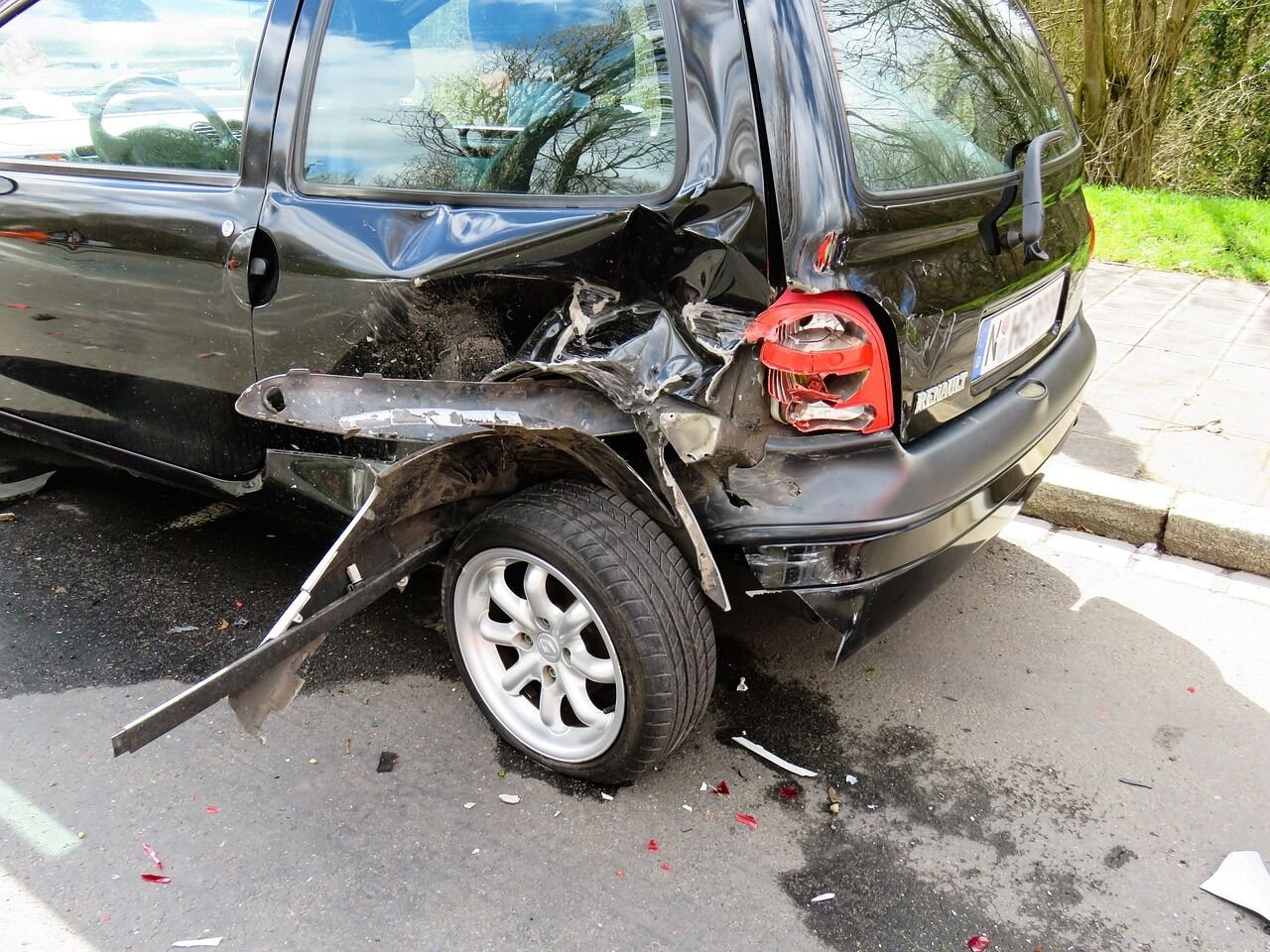
One at-fault accident can raise your car insurance premium for years. Accident forgiveness promises to stop that from happening, and insurers market it heavily to safe drivers.
But the product is widely misunderstood. Many drivers buy it believing one thing, while the fine print says another. Before you pay extra for it, or choose an insurer because of it, you should know exactly what it does.
This guide explains how accident forgiveness really works, what it typically costs, when it earns its keep, and when your money is better spent elsewhere.
What Accident Forgiveness Actually Does
Accident forgiveness is a policy feature that prevents your insurer from applying an at-fault accident surcharge after your first qualifying crash. Your premium stays where it was instead of jumping at renewal.
Think of it as a promise about pricing, not about the accident itself. The crash still happened, the claim was still paid, and the incident still exists on your record. What changes is only how your insurer treats it when calculating your rate.
That distinction matters more than most buyers realise. Forgiveness protects you from one specific insurer’s surcharge. It does not make the accident invisible to the rest of the insurance world.
The Misconception That Trips People Up
The most common misunderstanding is that a forgiven accident disappears entirely. It does not. The accident remains on your motor vehicle record and in industry claims databases, visible to any insurer you quote with in the future.
Here is what that means in practice. If you stay with the same insurer, your rate is protected and life goes on. But if you shop around next year, every new insurer will see the at-fault accident and price you accordingly. The forgiveness does not travel with you.
This is the feature’s biggest limitation. It rewards loyalty to one company while quietly penalising you if you leave. Keep that trade-off in mind before treating it as a safety net.
How Insurers Offer It
Insurers generally offer accident forgiveness in two forms. Some include it free as a loyalty perk after you have been claim-free with them for a set number of years. Others sell it as a paid add-on you can attach to your policy from day one.
The free version is straightforward: keep a clean record, and after the qualifying period the protection kicks in automatically. You do nothing and pay nothing extra.
The paid version is where the buying decision lives. You add it to your policy for an extra charge, and it typically covers the first at-fault accident after purchase. Some versions reset after a few clean years, letting you earn the protection back.
Details vary enormously by company and by state, since regulators in some states restrict how these features can be sold. Always read the exact terms in your policy documents rather than relying on the marketing summary. The III’s guide to understanding auto cover is a useful neutral starting point for decoding policy language.
Typical Eligibility Rules
Insurers do not hand this feature to everyone. The usual conditions look like this:
- A clean driving record for several years before you qualify, with no at-fault accidents or serious violations.
- All listed drivers on the policy must meet the clean-record standard, not just the primary driver.
- Only the first at-fault accident is forgiven; a second one is surcharged normally.
- Minor incidents like glass claims or not-at-fault accidents usually do not count against the benefit.
Teen drivers and high-risk drivers are often excluded entirely. If anyone on your policy has a recent violation, ask whether the whole household still qualifies before paying for the add-on.
What It Costs and When It Pays for Itself
As a paid add-on, accident forgiveness usually costs a modest amount per policy term, roughly in line with a small optional extra rather than a major cover. The exact figure depends on the insurer, your state, and your risk profile.
Whether it pays for itself comes down to simple arithmetic. An at-fault accident surcharge can inflate your premium for several years, so avoiding even one surcharge typically saves far more than years of add-on fees. If you have an accident, the feature is a bargain.
The catch, of course, is that most drivers never have an at-fault accident. Safe drivers with long clean records are the least likely to use it and the most likely to be offered it. You are essentially buying peace of mind against an event the insurer already believes is unlikely for you.
It makes most sense in two situations: households with teen drivers, where the odds of a first accident are genuinely higher, and drivers in high-surcharge states where one mistake is brutally expensive. Our breakdown of why premiums suddenly spike shows how punishing a single surcharge can be.
Which Major Insurers Offer It
Most large national carriers offer some version of accident forgiveness, though the structure differs. Allstate, Progressive, Liberty Mutual, Nationwide, and Travelers have well-known programmes, typically blending free loyalty versions with paid add-ons.
Not everyone plays along. GEICO, famously, has long declined to offer traditional accident forgiveness, preferring to compete on base price. State Farm offers it in many states but not all, so availability depends on where you live.
Offerings change regularly, and state regulators can force modifications. Treat any list, including this one, as a starting point. Confirm the current terms with the insurer directly before making it a deciding factor.
What Still Happens After a Forgiven Accident
Even with forgiveness in place, an at-fault accident has consequences. Your claims history grows, which matters if you file again. A second accident in short order can trigger underwriting review, and in extreme cases non-renewal.
Your safe-driver discounts may also be affected. Some insurers treat the forgiven accident as neutral for surcharges but still remove a claim-free discount, which raises your premium through the back door. Ask specifically how discounts interact with forgiveness.
And as noted earlier, the accident follows you to other insurers. If you were already thinking of switching companies, a fresh at-fault accident is a bad time to shop, forgiven or not. Our guide to how violations raise rates covers the broader picture of how incidents affect pricing.
Alternatives Worth Considering
If the add-on price feels steep, there are other ways to protect your premium. A vanishing deductible programme reduces your out-of-pocket cost for each claim-free period, rewarding the same safe behaviour through a different mechanism.
Telematics programmes, which track your driving through a phone app or plug-in device, can earn genuinely large discounts for careful drivers. They require sharing driving data, but the savings often exceed what accident forgiveness would protect.
Finally, the simplest alternative is a bigger emergency fund and a higher deductible. Self-insuring small bumps keeps your claims history clean, which is worth more than any single policy feature. Many drivers overlook these options, so browse our roundup of the car insurance discounts most drivers miss before deciding.
The NAIC’s consumer information hub is also worth a visit if you want an unbiased explanation of how surcharges and discounts are regulated in your state.