

You are staring at a quote, and below the main price there is a list of extras with little tick boxes. Roadside help, rental reimbursement, gap cover, new car replacement, accident forgiveness, and half a dozen more. Your finger hovers over the boxes, and you have no idea which ones are worth your money.
You are probably thinking: are they all just ways to squeeze more out of me? Some of them are worth every penny. Some are a waste of money for you. The difference is not the add-on. It is you, and your life, and what would actually happen to you without it.
How add-ons work
An add-on is extra cover bolted onto your main policy. You pay a little extra each month, and in exchange a specific situation is covered that the main policy would not cover, or would cover only up to a low limit.
You are probably thinking: why are they so cheap? Add-ons are cheap because the situations they cover are rare.
Work through them one at a time and ask whether the situation applies to your life.
Rental reimbursement: worth it for most drivers
Rental reimbursement pays for a hire car while yours is in the shop after a covered claim. Typical limits are 30 to 50 dollars a day, up to 30 days. It usually costs a few dollars a month.
If this is you, the one who depends on a car to get to work, this one is worth it. If your car is in a workshop for two weeks and you have no other way to get to work, a hire car is not optional. Paying for it out of pocket costs far more than the add-on.
It is less worth it if you have a second car, work from home, or live somewhere with good public transport. In those cases a hire car is an inconvenience, not a crisis, and the add-on is money spent on a problem you do not have.
You are probably thinking: what should I check before I buy? Check the daily limit and the day cap before you buy. A 30-dollar daily limit buys a small car, not a large one. And rental reimbursement only applies after a covered claim, not after routine maintenance. Our guide to rental reimbursement coverage explains the details for you.
Roadside assistance: worth it if you drive a lot
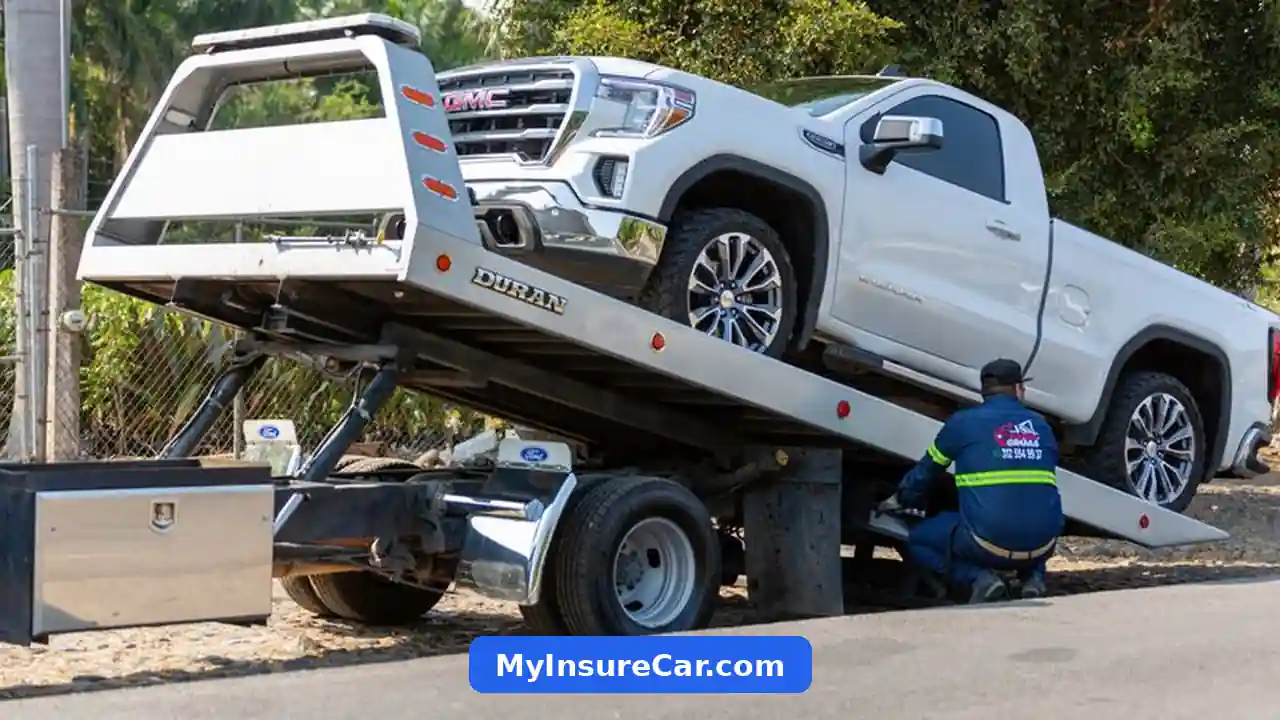
Roadside assistance covers towing, jump starts, flat tyre changes, lockout service, and fuel delivery. It is one of the cheapest add-ons, often a dollar or two a month, and it is the one you are most likely to use.
It is worth it if you drive long distances, drive an older car, or drive alone at night. A single tow can cost more than years of the add-on. It is also worth it for you if you would not know how to change a tyre on a dark road.
It is less worth it if you already have roadside cover elsewhere. Many car manufacturers include it, many credit cards include it, and motor clubs sell it separately. Paying twice for the same tow is the most common roadside mistake. Check what you already hold before you buy.
Our guide to roadside assistance coverage compares the add-on against standalone cover for you.
Gap insurance: worth it for new cars with loans
Gap insurance pays the difference between what your car is worth and what you still owe on the loan, if the car is written off. New cars lose value fast, and in the first year or two the loan is often bigger than the car’s value. That gap is what the add-on covers.
This one is worth it if you bought a new car with a small deposit and a long loan. The gap in the first two years can be several thousand dollars. Without gap cover, you pay that amount out of pocket after the car is gone.
It is not worth it if you bought the car outright, if you put down a large deposit, or if the car is several years old and the loan is smaller than the value. In those cases there is no gap to cover, and the add-on pays for nothing.
Dealer gap insurance is often far dearer than insurer gap insurance for the same cover. If you need it, buy it from your insurer, not the dealer. Our guide to what gap insurance is explains how it works for you.
New car replacement: worth it for brand-new cars
New car replacement pays for a brand-new car of the same model if yours is written off in the first year or two, instead of paying the depreciated value. It is gap insurance with a better outcome: you get a new car, not just a cleared loan.
If this is you, the one who bought a brand-new car and would struggle to replace it at depreciated value, it is worth it. It is not worth it for used cars, because the add-on usually only applies to new ones, and it is not worth it if you already hold gap cover that solves the same problem.
Read the terms. Some versions only apply in the first year. Some require the car to have low mileage. Some pay the new car price only if you buy the same model. The details decide whether the add-on does what you expect.
Accident forgiveness: worth it for clean-record drivers
Accident forgiveness stops your insurer from adding a surcharge after your first at-fault accident. It is usually free after several claim-free years, or sold as a cheap add-on.
It is worth it if you have a long clean record and plan to stay with the same insurer. The cost of one surcharge over several years is far larger than the cost of the add-on. It is less worth it if you switch insurers every year, because forgiveness does not follow you to a new company.
It is also less worth it for you if your policy is a cheap liability-only one, where a surcharge is small in absolute terms. The add-on pays off best for you if you carry full coverage and a meaningful premium.
Custom parts and equipment: the add-on for a modified car
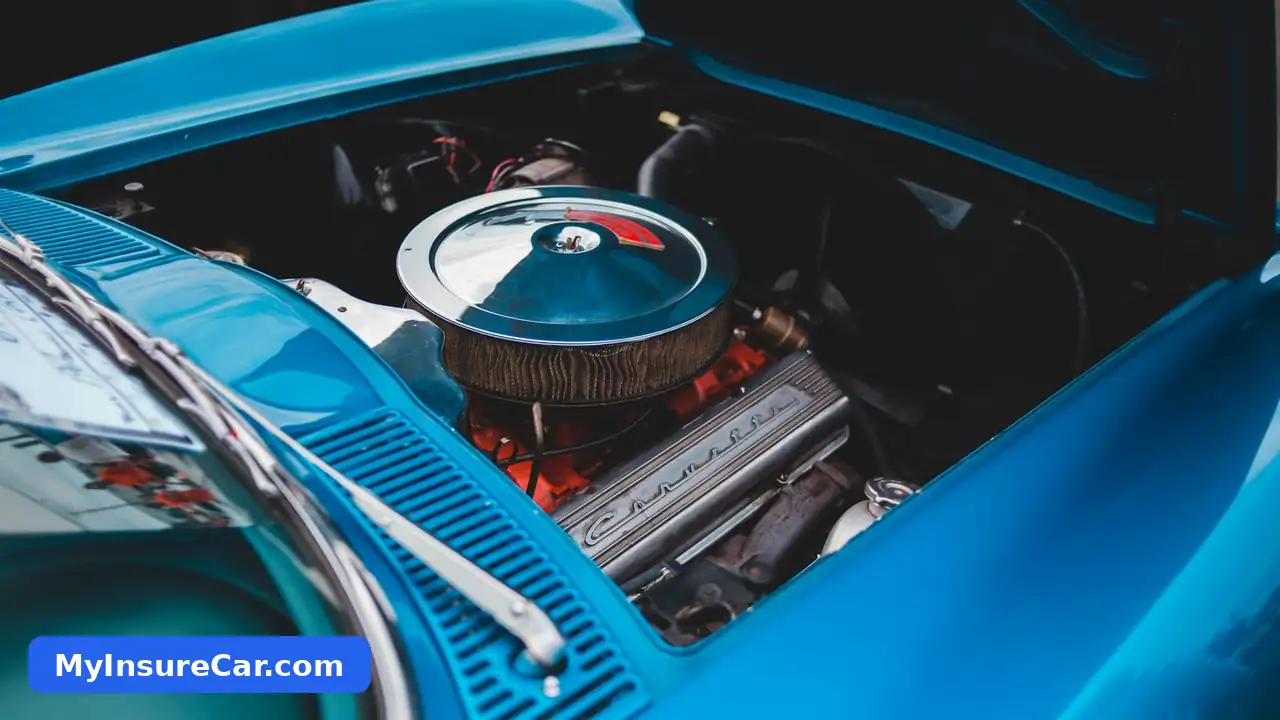
A standard policy covers your car as it left the factory. Aftermarket parts, the wheels, stereo, lift kit, or paint you added later, are covered only up to a small built-in limit, usually around $1,000 to $3,000, no matter what you spent. If you put $8,000 of modifications on a car, a covered claim may pay only $1,500 toward replacing them, and the rest is yours. A custom parts and equipment endorsement raises that ceiling to the value you choose, typically $5,000 to $50,000, for a few dollars a month.
To buy it, tell the insurer what you added and what it cost, and keep the receipts. The endorsement lists the items or the total value, so there is no argument at claim time about whether the parts existed. If your car is simply a stock car with no modifications, skip this one entirely. If you drive a modified car, this is the add-on that decides whether your claim pays for the car you actually own. Our guide to agreed value classic car insurance covers the same idea for collector cars, where the value is settled in advance, and our guide to what gap insurance is explains the other add-on that protects a financed car.
Mechanical breakdown cover: usually skip it
Mechanical breakdown cover pays for repairs after the manufacturer’s warranty ends. It sounds like a warranty extension, and it is priced like one. It is also the add-on with the most exclusions.
Most versions exclude wear and tear, routine maintenance, and pre-existing faults, which are the most common reasons a car needs repair. They also cap the payout per repair and per year. The result is an add-on that rarely pays what the buyer expected.
If your car is reliable and you have savings for repairs, skip it. If your car is known for expensive failures and you cannot afford a large repair bill, a proper extended warranty from the manufacturer is usually a better deal for you than an insurance add-on.
Key replacement and windscreen cover: check first
Key replacement cover pays for a lost or stolen key fob. Modern key fobs are expensive, often several hundred dollars, so the cover can pay for itself with one claim. It is worth it if you are prone to losing keys and your car uses an expensive fob.
Windscreen cover pays for chip repair and windscreen replacement, often without affecting your no-claims record. It is worth it if you drive on motorways where stone chips are common. It is less worth it if your comprehensive policy already includes windscreen cover, which many do.
Both of these are cases where the first step is checking what you already hold. Add-ons that duplicate cover you already have are the purest waste in insurance. Read your policy before you buy anything.
Two add-ons that pay for the same loss
Gap insurance and new car replacement solve the same problem in different ways. Gap cover pays off the loan when the car is totaled and you owe more than it is worth. New car replacement buys you a brand-new car of the same model instead of paying the depreciated value. If you buy both, you are paying two premiums for one outcome, because a totaled car triggers only one of them in practice. Pick the one that fits your situation: gap cover if the loan is the worry, new car replacement if replacing the car is the worry.
Two smaller add-ons are worth a look while you are here. Pet injury cover pays vet bills if your pet is hurt in a crash, often up to $1,000, and many insurers include it free or for a dollar or two a month. A vanishing deductible drops your deductible a little each claim-free year, so the out-of-pocket cost shrinks the longer you stay clean. Neither one is a reason to buy a policy, but both are cheap enough to ask about at renewal. Our guide to rental reimbursement coverage explains the add-on most drivers use first, and our guide to what gap insurance is walks through the loan math in detail.
How to decide: three questions
For each add-on, ask three questions. Could the event happen to me? If it happened, could I afford it out of pocket? Do I already have cover for it somewhere else? Buy the add-on only when the answers are yes, no, and no.
Then check the price against the risk. An add-on that costs 100 dollars a year to cover a 500-dollar risk is a bad deal for you. An add-on that costs 30 dollars a year to cover a 3,000-dollar risk is a good one. The maths is simple, and it is the only maths that matters.
Review your add-ons every year. Your life changes, and add-ons that were sensible last year may be pointless now. Gap cover on a car you now own outright is the classic example. So is roadside cover you now get free from the manufacturer.
So here is your move: pick the two or three that match your life, skip the rest, and keep the money you saved. At your next renewal, run the three questions again before you tick any box.
The Insurance Information Institute explains how to understand your coverage.
The National Association of Insurance Commissioners publishes consumer guides worth reading before renewal.
Frequently Asked Questions
What are the best car insurance add-ons?
For most drivers like you: rental reimbursement, roadside assistance, and gap cover on a new car with a loan. Accident forgiveness is also valuable for clean-record drivers who stay with one insurer. The rest depend on your situation.
Are car insurance add-ons worth it?
Some are. An add-on is worth it for you when the event could happen to you, you could not comfortably pay for it out of pocket, and you do not already have cover elsewhere. Add-ons that fail any of those tests are a waste of your money.
Is rental reimbursement worth it?
Yes for most drivers who depend on their car. It pays for a hire car while yours is in the shop after a covered claim, usually 30 to 50 dollars a day. If you have a second car or work from home, it matters less for you.
Is gap insurance worth it?
Yes if you bought a new car with a small deposit and a long loan, because the loan can exceed your car’s value in the first years. No if you bought outright, put down a large deposit, or the loan is already smaller than your car’s value.
Should I buy mechanical breakdown cover?
Usually not. It excludes wear and tear, routine maintenance, and pre-existing faults, which are the most common repair reasons for your car. A manufacturer extended warranty is usually a better deal for you if you want that protection.
This guide is general education, not professional insurance advice, so confirm the details in your own policy and with a licensed insurance professional before you act. Full disclaimer




[…] example, if you have a reliable backup vehicle, rental reimbursement might not be worth the extra cost. But if you rely heavily on your car for work, it could be a smart […]
[…] example, if you rely on features like zero depreciation or engine protection, traditional insurance might offer more flexibility with add-ons and […]
[…] yours uses before buying. Roadside help sits naturally alongside other extras; our guide to the top car insurance add-ons worth buying ranks the ones that justify their […]