

It is 11pm, it is raining, and your tyre just gave up on a road with no streetlights. You are standing beside the car with your phone at 12 percent, thinking: who do I even call? That moment is what roadside assistance is for. It turns those nights from a crisis into an inconvenience, and you are probably reading this because you are wondering whether your cover is worth what you pay for it.
The answer depends on how much you drive, how old your car is, and whether you already have it through another route. You may be paying for it twice without realising. If this is you: you already have a motoring club card in your glove box and an add-on on your policy, you are the person paying twice. Keep reading and you will know exactly what to buy, keep, or drop.
What roadside assistance usually covers
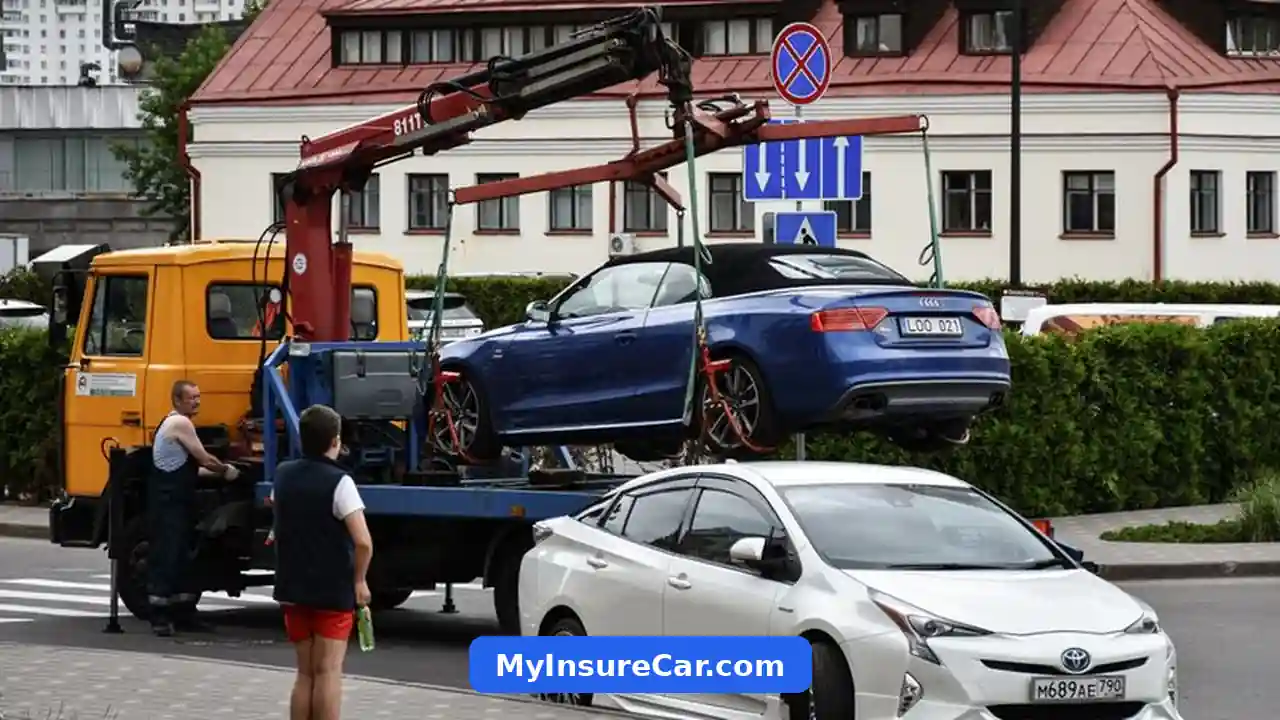
Roadside assistance, sometimes called breakdown cover, pays for help when your car cannot continue its journey. The standard list is short and practical: towing, jump starts, flat tyre changes, fuel delivery, and lockout help.
Flat tyre service is the quiet workhorse of roadside cover. A flat tyre road service will change the wheel for you, or tow the car if there is no usable spare. If you have never changed a wheel in the rain, you understand the value of this immediately. If you have done it once, you already know the answer: you never want to do it again, at midnight, with cars flying past.
How it works on a car insurance policy
Roadside assistance on an insurance policy is an add-on, sometimes called towing and labour cover. It costs a few dollars a month and sits on top of your regular policy. When you need help, you call a number, the insurer sends a contractor, and pays them directly up to the policy limit.
The limits are modest. A typical add-on covers 50 to 100 dollars per breakdown, with a cap on calls per year. That covers a jump start or a short tow, not a long tow far from home.
Using it is simple, but not instant. You call, you wait, and a local contractor is dispatched. In a city the wait is usually under an hour. In a rural area at night it can be much longer, and that wait is the part you will complain about most. You are probably thinking: so I pay for help and still wait in the dark? Yes, sometimes. The limits section below tells you how to pick a plan whose wait you can live with.
Insurance add-on versus motoring club versus manufacturer cover
Three routes sell essentially the same help, and comparing them is the key to not paying twice. The insurance add-on is cheapest, usually a few dollars a month, but has the lowest limits. A motoring club membership costs more, usually 50 to 100 dollars a year, but covers you in any car you are driving or riding in, not just your own car. Manufacturer cover, included with a new car warranty, is free for the warranty period and often has the best service, but it ends when the warranty ends.
The club follows you, not the car.
Premium club plans add one more benefit the add-on does not: trip interruption cover. If you break down far from home, the plan can reimburse hotel and meal costs while your car is being repaired, up to a daily limit and only beyond a minimum distance from home. The distance is usually measured from your home address, and a breakdown just across town does not count, even if the repair takes days. The insurance add-on does not include this, so if you drive long distances, check the per-day limit and the distance rule before you count on it. Our guide to rental reimbursement coverage explains the separate add-on that pays for a hire car while yours is repaired.
If you are a passenger in a friend’s car that breaks down, the club covers you and the add-on does not. If you are a frequent passenger, that alone can justify the club.Check what you already have. Many credit cards, phone plans, and new car warranties include some roadside help. The the car insurance add-ons that are actually worth it roundup explains how to audit your existing cover so you stop paying for the same help twice.
What it typically costs
As an insurance add-on, roadside assistance usually costs between 10 and 30 dollars per six-month policy period, which works out to a few dollars a month. That is the cheapest way to buy it, and for most drivers it is enough.
A motoring club membership costs more, but buys higher towing limits and more calls per year. A premium club plan can cost 100 dollars a year or more.
Pay-per-use roadside help, where you call a tow company and pay the bill yourself, costs 75 to 150 dollars for a typical tow. One breakdown a year makes the add-on cheaper than paying out of pocket.
The limits that actually matter
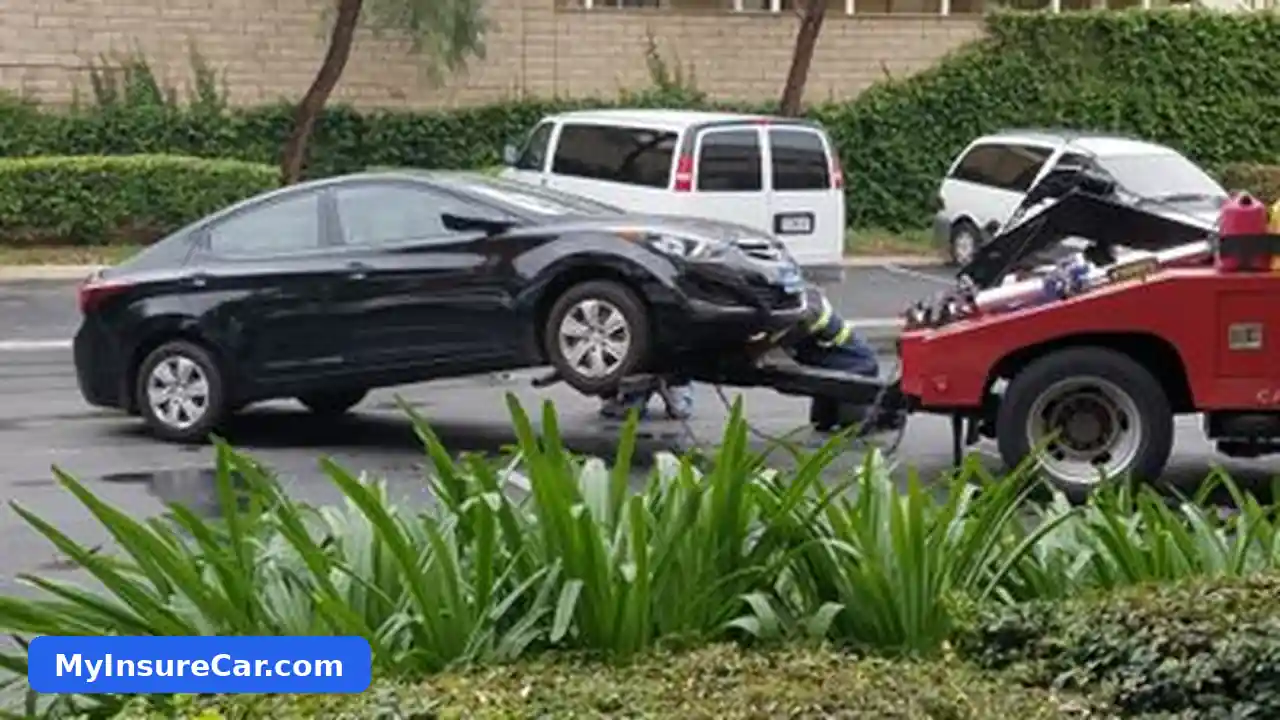
Towing distance is the first limit. A plan that tows 10 miles is fine in a city and useless on a motorway. A plan that tows 100 miles covers most situations.
Calls per year is the second limit. Most plans allow three to five calls a year. If your car is old, you can hit that cap. If your car is unreliable, more calls matter more than longer towing.
Service area is the third limit. Some plans cover only your home state. If you drive across state lines, national cover matters.
Response time is not contractual, but it is the one you will feel. A cheap plan with a three-hour wait is no bargain at midnight.
What it does not cover
Roadside assistance does not repair your car. It gets your car to a repair shop, or moving again for a simple fault. The repair bill is yours, or your collision and comprehensive cover’s.
It does not cover accidents. If you crash, the claim goes through your collision or liability cover, not roadside assistance. Towing after a crash goes through the accident claim, not the roadside plan, and mixing the two up causes delays.
It does not cover a car that was already broken down when you bought the policy. Buy the cover before you need it, not after the battery dies.
It does not cover the cost of a hire car while yours is repaired. That is a separate add-on. The rental reimbursement coverage page covers how that piece works.
Who benefits most and who should skip it
If this is you: your car is over ten years old and it has already left you stranded once, you benefit most. An older car breaks down more often, and the cost of a single tow can exceed a year of roadside premiums. For you, the cover pays for itself quickly. Part of you thinks it will not happen again. It already happened once, and that is the data that matters.
If you drive long distances, you benefit too. A breakdown far from home means a long tow and an unfamiliar repair shop, and long towing limits turn that from a disaster into a delay.
If your car is new and under warranty, you can usually skip it. Your new car already has manufacturer cover, so paying for a duplicate plan is wasted money until the warranty ends. You are probably thinking: but what if the warranty cover is slow? Fair question, and the late-night section at the end tells you the backup to save in your phone.
If you drive in a city with a second car and a short commute, you can also skip it.
Will using it raise your premium
Roadside claims are usually not treated like accident claims. A tow or a jump start is a service call, not a claim against your collision or liability cover. Most insurers do not raise premiums for roadside use alone.
There is a limit to that generosity. Frequent roadside calls, especially towing calls, can mark you as higher risk with some insurers. A few insurers count roadside calls at renewal. If you use the service monthly, expect a conversation then.
When a breakdown follows an accident, the claim goes through the accident side and can affect your premium. For how accident claims work, see filing a car insurance claim properly.
24-hour towing and late-night breakdowns
Breakdowns do not respect office hours, and 24-hour towing is what you actually need at 2am. Most roadside plans promise round-the-clock dispatch, but the promise is only as good as the contractor network. In cities, 24-hour service is reliable. In rural areas, the nearest truck may be an hour away, and at night longer.
Save a local 24-hour towing company’s number in your phone now, as backup when your plan is slow.
Electric cars need different help. An EV that runs out of charge cannot be fixed with a jerrycan, and many EVs must be towed on a flatbed rather than with wheels on the ground, because towing with the drive wheels turning can damage the motor. Before you rely on a plan for an EV, ask whether it covers flatbed towing and mobile charging, and whether the contractor it sends is equipped for electric cars. Our guide to insurance for electric vehicles explains how EV cover differs from a petrol car.
The Insurance Information Institute explains how add-on covers like roadside assistance fit into auto policies.
The National Association of Insurance Commissioners publishes research on how these products are overseen.
Frequently Asked Questions
Emergency roadside assistance near me: what 2am really looks like
You are not calling your insurer at 2am, you are calling whoever can reach you fastest. That is the difference between 24/7 roadside service and typing 24/7 towing near me into your phone. Your plan dispatches help for you, while the search is what you do when the plan is slow and you need a local truck yourself.
Save one number in your phone tonight: a local auto towing company that answers around the clock. When your plan’s wait stretches past an hour, you call them directly, and many drivers find the truck arrives faster than the dispatched one. You pay the bill yourself in that case, so agree the price before the hook touches your car.
Know what your plan will not do. Roadside assistance gets you to help, it is not a 24 hour repair shop. A 24 hour mechanic who comes to you is a different service, and most plans do not include one. Your plan tows you to the shop, the shop does the repair, and the repair bill is a separate conversation.
If your tyre is the problem at night, a 24hr tire shop near you can be the fix your plan cannot arrange. Many plans will tow you there, and flat tire road service is usually covered as a change or a tow, depending on your policy. Ask your insurer how it is handled on your policy before the night you need it.
<!– wp:rank-math/faq-block {"questions":[{"title":"Is roadside assistance the same as towing coverage?","content":"Towing is one part of roadside assistance. Roadside assistance also covers your jump starts, flat tyre changes, fuel delivery, and lockout help. Towing-only cover does not include those services for you.","visible":true},{"title":"Does roadside assistance cover me in someone else's car?","content":"An insurance add-on usually covers only your own car. A motoring club membership covers you in any car you are driving or riding in. Check which type you hold before you rely on it in someone else's car.","visible":true},{"title":"How many times can I use roadside assistance in a year?","content":"Most plans allow you three to five calls a year. Check your policy, because your cap varies. If your car is unreliable, choose a plan with more calls rather than longer towing.","visible":true},{"title":"Does it cover a flat tyre if I have no spare?","content":"Yes, in most cases the service will tow your car to a repair shop if you have no usable spare. A flat tyre road service covers the change or the tow for you, depending on what your car needs.","visible":true},{"title":"Can I add roadside assistance in the middle of my policy term?","content":"Yes, most insurers let you add it at any time. It takes effect immediately for future breakdowns, but it does not cover a car that is already broken down.","visible":true},{"title":"What is towing insurance?","content":"Towing insurance is another name for the towing part of roadside assistance. It pays for your tow after a breakdown, up to your plan limit. It does not pay for your repairs, and it does not cover towing after an accident for you, which goes through your accident claim.","visible":true},{"title":"Is there a 24/7 tow option near me if my roadside plan is too slow?","content":"Yes. If your plan’s dispatch is taking too long, you can call a local towing company directly and search for auto towing near me to find one that is open. You will pay for that tow yourself, so agree the price before they hook your car, and keep the receipt in case your plan reimburses part of it.
“,”visible”:true},{“title”:”Can I really find a $50 towing service near me?”,”content”:”Sometimes, for a very short tow during the day, but costs vary a lot by distance, time of day, and provider. A night tow on the motorway usually costs more than a daytime tow across town. Call two or three local companies and compare before you commit.
“,”visible”:true},{“title”:”Will roadside assistance send a 24 hour mechanic to fix my car where it broke down?”,”content”:”Usually not. Roadside assistance gets your car moving again for simple faults, or tows it to a repair shop. A 24 hour mechanic who does full repairs at the roadside is a different service, and your plan probably does not include one.
“,”visible”:true},{“title”:”What is the difference between 24/7 roadside service and calling a tow truck myself?”,”content”:”With 24/7 roadside service, your plan arranges the help and pays the contractor up to your limit. When you call a tow truck yourself, you arrange it and pay the full bill. The plan is cheaper per incident but can be slower, especially at night.
“,”visible”:true},{“title”:”Does emergency roadside assistance work the same in Texas?”,”content”:”Yes. Emergency roadside assistance in Texas works the same as in other states, through your insurer’s contractor network. The one thing to check is your plan’s service area, because some cheaper plans only cover your home state. If you drive across state lines often, choose a plan with national cover.
“,”visible”:true},{“title”:”Can roadside assistance take me to a 24hr tire shop?”,”content”:”In most cases yes. If your tyre cannot be changed at the roadside, the plan will tow you to the nearest open shop, which at night may be a 24hr tire shop. The tow is covered by your plan, but the new tyre is not.
“,”visible”:true}]} –>Is roadside assistance the same as towing coverage?
Towing is one part of roadside assistance. Roadside assistance also covers your jump starts, flat tyre changes, fuel delivery, and lockout help. Towing-only cover does not include those services for you.
Does roadside assistance cover me in someone else’s car?
An insurance add-on usually covers only your own car. A motoring club membership covers you in any car you are driving or riding in. Check which type you hold before you rely on it in someone else’s car.
How many times can I use roadside assistance in a year?
Most plans allow you three to five calls a year. Check your policy, because your cap varies. If your car is unreliable, choose a plan with more calls rather than longer towing.
Does it cover a flat tyre if I have no spare?
Yes, in most cases the service will tow your car to a repair shop if you have no usable spare. A flat tyre road service covers the change or the tow for you, depending on what your car needs.
Can I add roadside assistance in the middle of my policy term?
Yes, most insurers let you add it at any time. It takes effect immediately for future breakdowns, but it does not cover a car that is already broken down.
What is towing insurance?
Towing insurance is another name for the towing part of roadside assistance. It pays for your tow after a breakdown, up to your plan limit. It does not pay for your repairs, and it does not cover towing after an accident for you, which goes through your accident claim.
Is there a 24/7 tow option near me if my roadside plan is too slow?
Yes. If your plan’s dispatch is taking too long, you can call a local towing company directly and search for auto towing near me to find one that is open. You will pay for that tow yourself, so agree the price before they hook your car, and keep the receipt in case your plan reimburses part of it.
Can I really find a $50 towing service near me?
Sometimes, for a very short tow during the day, but costs vary a lot by distance, time of day, and provider. A night tow on the motorway usually costs more than a daytime tow across town. Call two or three local companies and compare before you commit.
Will roadside assistance send a 24 hour mechanic to fix my car where it broke down?
Usually not. Roadside assistance gets your car moving again for simple faults, or tows it to a repair shop. A 24 hour mechanic who does full repairs at the roadside is a different service, and your plan probably does not include one.
What is the difference between 24/7 roadside service and calling a tow truck myself?
With 24/7 roadside service, your plan arranges the help and pays the contractor up to your limit. When you call a tow truck yourself, you arrange it and pay the full bill. The plan is cheaper per incident but can be slower, especially at night.
Does emergency roadside assistance work the same in Texas?
Yes. Emergency roadside assistance in Texas works the same as in other states, through your insurer’s contractor network. The one thing to check is your plan’s service area, because some cheaper plans only cover your home state. If you drive across state lines often, choose a plan with national cover.
Can roadside assistance take me to a 24hr tire shop?
In most cases yes. If your tyre cannot be changed at the roadside, the plan will tow you to the nearest open shop, which at night may be a 24hr tire shop. The tow is covered by your plan, but the new tyre is not.
Roadside assistance is cheap, and for most drivers it is worth it. Check what you already have, buy the add-on if you have nothing, and never pay for the same help twice. Do it now, while your car is running and the phone call is not urgent, and the next breakdown becomes an inconvenience instead of a crisis.
Related Guides
- Rental Reimbursement Coverage Explained: Cost, Limits, and Fine Print
- Hit-and-Run Accident: Insurance Steps and the Coverage That Pays
This guide is general education, not professional insurance advice, so confirm the details in your own policy and with a licensed insurance professional before you act. Full disclaimer

[…] guide to roadside assistance coverage compares the add-on against standalone cover for […]
[…] Roadside Assistance Coverage: What It Covers and Is It Worth It […]
[…] roadside help, use the insurer approved provider rather than whoever shows up first. Our guide on roadside assistance cover explains what that help should […]