The sound is still in your ears. You are sitting in your car at the intersection, hands shaking on the wheel, hazard lights blinking, and the other driver is already walking toward you talking fast. You know it was not your fault. You also know that knowing it and proving it are two different things, and right now your brain is not working at full speed.
So let us slow it down. What you do in the next hour matters more than what you do in the next month. If this is you, the driver standing on the roadside right now with a cracked bumper and a racing heart, or the one reading this the night after it happened, replaying what you should have done, this is your calm, clear order of operations. Every step here protects your claim.
The first ten minutes: safety, then evidence
First, check yourself and your passengers for injuries before you check the car. Adrenaline hides pain, and the car does not matter. If anyone might be hurt, call emergency services immediately and do not move anyone who should not be moved. Everything else waits for this.
Second, make the scene safe. Hazards on, car moved out of traffic if it drives, yourself out of the road. A second crash at the same intersection helps nobody, and you do not want to be standing in a live lane arguing about the first one.
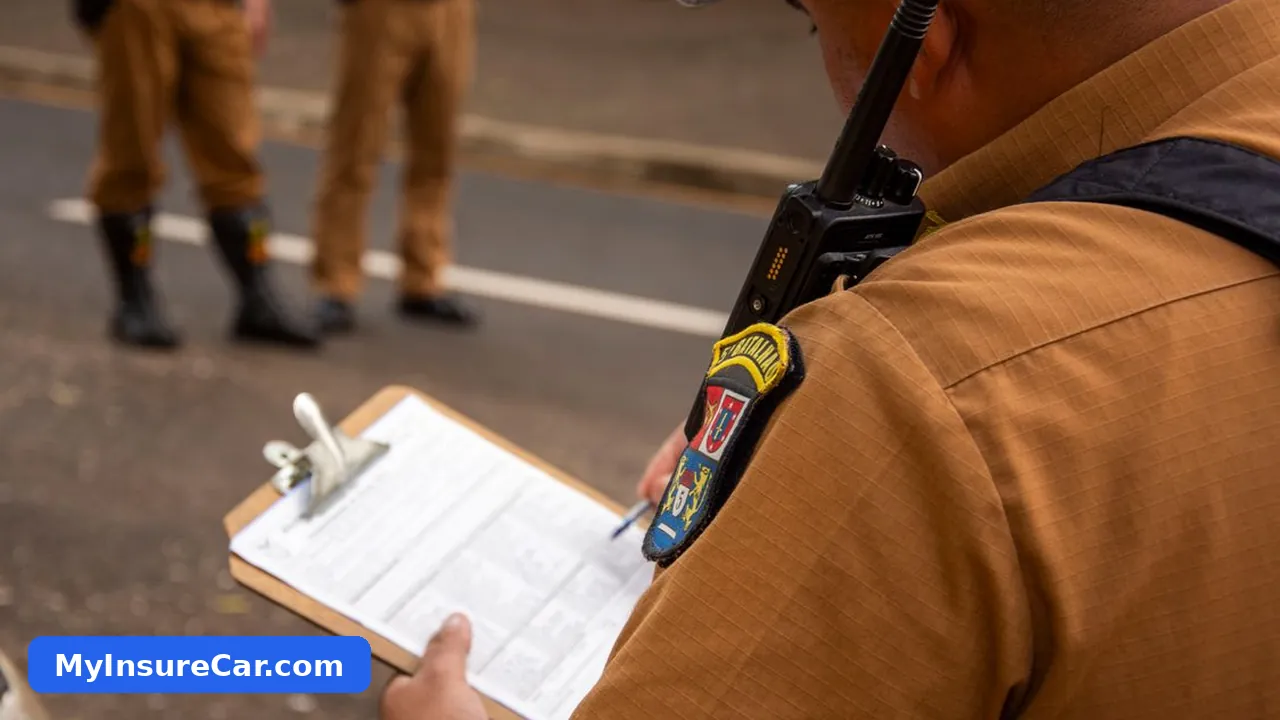
Third, call the police, even if the other driver says it is not necessary. You are probably thinking: the damage looks minor, do we really need a report? Yes. The police report is the single most boring and most valuable document in your whole claim. Memories change, stories change, but the officer’s notes from minute ten do not. If this is you, the person who let a friendly at-fault driver talk you out of calling, that friendliness sometimes evaporates when their insurer calls. Get the report. Always.
What to say and what never to say
Exchange information with the other driver: name, phone, insurance company and policy number, license plate, car make and model. Take a photo of their insurance card and license rather than copying by hand. Hands shake, handwriting lies, photos do not.
Now the critical part. Do not say “I am sorry.” Do not say “it was my fault” or “I did not see you.” You are probably thinking: but it is just polite. Politeness at a crash scene becomes a recorded admission later. You can be a decent human without assigning blame. “Are you okay?” is kindness. “My bad” is a legal statement. Stick to facts: what happened, where, when. Let the evidence decide fault, because the evidence is on your side.
Do not argue about fault at the scene either. If the other driver gets aggressive or blames you, do not engage. Note it, tell the officer, and walk away. If this is you, the non-confrontational person who hates conflict, this is your permission slip. You do not have to win the roadside debate. You have to win the claim, and claims are won with documentation, not arguments.
Document everything while it is fresh
Photograph everything: both cars from multiple angles, the damage close up, license plates, the intersection, skid marks, debris, traffic signs and signals, weather and road conditions. Photograph the other driver’s documents. Then photograph your own odometer and the scene from where each driver was sitting, so the sight lines are on record.
Get witnesses. If anyone stopped, ask for their name and phone number right now. You are probably thinking: someone will have dashcam footage, or the store camera caught it. Maybe, but footage gets overwritten and memories fade within days. A witness name in your phone today is worth ten “someone must have seen it” thoughts next week. Our guide to filing a car insurance claim properly covers how this evidence gets used once the claim is open.
Write down your own account within the hour, while it is vivid. Where you were going, what lane you were in, what the light was, what you saw the other car do. Voice memo it if typing is hard. Future you, talking to an adjuster in three weeks, will be grateful.
Whose insurance pays when it was not your fault
In most states, the at-fault driver’s liability insurance pays for your car repairs and your medical bills. You file a claim against their policy, their insurer investigates, and if fault is clear, they pay. That is the clean version, and it happens every day.
But keep your own insurer in the loop from day one. Call them and report the accident even though it was not your fault. You are probably thinking: why involve my company if I am not claiming from them? Three reasons. Your policy likely requires prompt notification. Your insurer can pursue the other company for you. And if the at-fault driver turns out to be uninsured or underinsured, your own uninsured motorist coverage becomes your lifeline. Reporting early costs nothing and protects everything. Uninsured motorist coverage explained shows why this backup matters more than most drivers realise.
If the other driver’s insurer accepts fault, they should arrange your repairs and a rental if your policy or theirs covers it. Get the claim number, the adjuster’s direct contact, and everything in writing. If this is you, the person who hates phone tag, insist on email from the start. A paper trail beats a phone memory every time.
The traps set for not-at-fault drivers
Trap one: the quick settlement. The other insurer may offer you money fast, sometimes within days, before you know the full extent of your injuries or your car’s damage. You are probably thinking: fast money sounds good. It sounds good because it is designed to. Once you sign a release, the claim is over, even if your neck starts hurting next month or the repair estimate doubles. Never accept a settlement until your medical picture is complete and your car is fully assessed.
Trap two: the recorded statement. The other driver’s insurer may ask to record you “just to get your side.” You are not obligated to give them one, and their questions are designed to find doubt. Be polite, be brief, and stick to the facts you documented. If this is you, the talkative person who explains too much, this is the moment to be boring on purpose.
Trap three: gaps in medical care. If you are hurt, see a doctor promptly and follow through. Gaps in treatment get used to argue you were not really injured. This is not about building a case, it is about your health, and the claim simply follows the medical record. And do not forget the hidden loss: if your car is repaired but now worth less, a diminished value claim can recover that lost value from the at-fault driver’s insurer.
When to get help
Most not-at-fault claims resolve without drama: clear fault, cooperative insurer, car fixed, bills paid. But get professional help if injuries are serious, if fault is disputed, if the other driver is uninsured, or if an insurer starts playing games with delays and lowballs. A consultation costs little and clarifies a lot.
Keep every receipt and every document: medical bills, repair estimates, rental receipts, missed work days with pay stubs. You are probably thinking: this is a lot of paperwork for someone else’s mistake. It is, and that is exactly why organised people get paid properly and disorganised people get shortchanged. One folder, everything in it, from today.
The Insurance Information Institute publishes a clear step-by-step on what to do after an auto accident, which is worth reading once you are home and calm. The National Association of Insurance Commissioners also offers consumer guidance on navigating claims. You did not cause this crash. Now make sure the process treats you like it.
Frequently Asked Questions
Should I call my own insurance if the accident was not my fault?
Yes, always. Your policy likely requires prompt notification, your insurer can pursue the at-fault driver’s company for you, and your own uninsured motorist coverage becomes essential if the other driver has no insurance. Reporting early protects you and costs nothing.
What should I never say after an accident that was not my fault?
Never say you are sorry, never admit fault, and never say you did not see the other car. Polite phrases like these get treated as admissions later. Stick to exchanging facts: names, insurance details, and what happened. Let the police report and evidence establish fault.
Whose insurance pays for my car repairs?
Usually the at-fault driver’s liability insurance pays for your repairs and medical bills. You file a claim against their policy. If they are uninsured or underinsured, your own collision and uninsured motorist coverages step in. Keep your insurer informed from the start either way.
Should I accept the first settlement offer from the other insurer?
Almost never right away. Early offers come before you know the full extent of injuries and damage, and signing a release ends your claim permanently. Wait until your medical treatment is complete and your car is fully assessed. Quick money now can mean unpaid bills later.
What if the at-fault driver has no insurance?
Your uninsured motorist coverage is designed for exactly this. It pays for your injuries and, depending on your state and policy, your car damage. This is why carrying UM coverage matters so much. File with your own insurer and let them handle recovery from the uninsured driver.
Can I claim diminished value after a not-at-fault accident?
Yes. If your car was repaired but is now worth less because of its accident history, you can file a diminished value claim against the at-fault driver’s insurer. Keep repair records and consider an independent appraisal. Many drivers leave this money unclaimed simply because they never heard of it.
You did not cause the crash, but you own the claim. Document everything, say little, settle late, and never sign anything from the other insurer until your injuries and repairs are fully known. That is how not-at-fault drivers get made whole.