If your car has ever been scratched, keyed, or damaged by someone acting maliciously, you’re not alone. Vandalism is a frustrating and all-too-common reality for vehicle owners. The immediate question that comes to mind is: Does car insurance cover vandalism? The short answer is yes—but only if you have the right type of coverage. Without comprehensive insurance, you could be left paying out of pocket for repairs that aren’t cheap. In this detailed guide, we’ll break down exactly how car insurance handles vandalism claims, what’s covered, what’s not, and how to protect yourself from unexpected costs.
What Is Vandalism in the Context of Car Insurance?
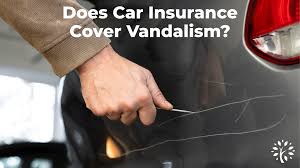
Vandalism, in insurance terms, refers to intentional, malicious damage to your vehicle caused by someone other than yourself. This includes acts like keying, graffiti, broken windows, slashed tires, or even arson. Unlike accidents caused by collisions or weather events, vandalism is a deliberate act of destruction. Because it’s not a result of normal wear and tear or a driving mishap, it falls under a specific category of coverage.
Most standard auto insurance policies—especially liability-only plans—do not include protection against vandalism. That’s why understanding your policy details is crucial. If you live in an area with higher crime rates or park your car on the street regularly, the risk of vandalism increases significantly. Knowing whether your policy covers such incidents can save you thousands in repair bills.
Does Car Insurance Cover Vandalism? The Role of Comprehensive Coverage
The key to answering “Does car insurance cover vandalism?” lies in one specific type of coverage: comprehensive insurance. This is the only part of a standard auto insurance policy that protects your vehicle from non-collision-related damage, including vandalism.
Comprehensive coverage is optional in most states, but it’s highly recommended—especially if you own a newer or higher-value vehicle. It typically covers a wide range of incidents such as theft, fire, falling objects, animal collisions, and yes, vandalism. When vandalism occurs, comprehensive insurance will pay for repairs after you meet your deductible.
For example, if someone keys your car’s paint job or smashes your windshield, your insurer will assess the damage and cover the cost of repairs up to your vehicle’s actual cash value, minus your deductible. Without comprehensive coverage, however, you’ll be responsible for the full repair cost.
What Does Comprehensive Coverage Typically Include?
Comprehensive insurance is designed to protect your vehicle from a variety of “other-than-collision” events. Here’s what it usually covers:
- Intentional damage like keying, graffiti, or broken windows
- Theft of your vehicle or parts (e.g., catalytic converter)
- Fire or explosion damage
- Damage from falling objects (e.g., tree branches, debris)
- Weather-related damage (hail, floods, windstorms)
- Animal collisions (e.g., hitting a deer)
As you can see, vandalism is just one of many scenarios covered under this umbrella. It’s often grouped with other “acts of God” or third-party malicious acts. The broad protection makes comprehensive coverage a smart investment for drivers who want peace of mind.
What’s Not Covered Under Comprehensive Insurance?
While comprehensive coverage is extensive, it’s not all-inclusive. There are important exclusions to be aware of:
- Mechanical breakdowns or normal wear and tear
- Damage caused by you or someone listed on your policy
- Intentional damage you cause yourself
- Damage from civil unrest or war (in most cases)
- Personal items stolen from your car (these may fall under home or renters insurance)
Additionally, if your car is damaged during a riot or protest, some insurers may deny the claim depending on policy language. Always read your policy carefully or speak with your agent to clarify coverage limits.
How to File a Vandalism Claim: Step-by-Step
If your car has been vandalized, knowing how to file a claim can speed up the process and reduce stress. Here’s what to do:
First, document the damage thoroughly. Take clear photos from multiple angles, including close-ups of scratches, dents, or broken glass. Note the date, time, and location of the incident. If there are witnesses, get their contact information.
Next, file a police report. Even if the perpetrator isn’t caught, a police report strengthens your insurance claim and may be required by your insurer. It also creates an official record of the crime, which can help with future claims or investigations.
Then, contact your insurance company as soon as possible. Most insurers have a 24/7 claims hotline. Provide them with all the details, including photos and the police report number. They’ll guide you through the next steps, which usually involve getting an estimate from an approved repair shop.
Finally, pay your deductible and get your car repaired. Your insurer will reimburse the repair shop directly for the covered amount. Keep all receipts and follow up to ensure the claim is processed correctly.
Tips to Strengthen Your Vandalism Claim
- Report the incident within 24–48 hours
- Use a dashcam or security camera footage if available
- Keep a copy of the police report and claim number
- Choose a reputable repair shop with experience in insurance claims
- Follow up with your insurer if there are delays
Being proactive and organized can make a big difference in how smoothly your claim is handled.
How Much Does Comprehensive Coverage Cost?
One of the biggest concerns drivers have is the cost of adding comprehensive coverage. The good news is that it’s generally affordable, especially when compared to the potential cost of repairing vandalism damage.
On average, comprehensive coverage adds $150 to $300 per year to your premium, depending on your location, vehicle type, driving history, and deductible. For example, a driver in a high-crime urban area may pay more than someone in a rural suburb. Similarly, luxury or high-theft vehicles (like certain SUVs or trucks) may have higher rates.
You can reduce costs by choosing a higher deductible—say $500 or $1,000 instead of $250. This lowers your monthly premium but means you’ll pay more out of pocket if you file a claim. It’s a trade-off between upfront savings and risk tolerance.
Many insurers also offer discounts for bundling policies (like home and auto), having anti-theft devices, or maintaining a clean driving record. Ask your agent about available savings.
Average Repair Costs for Common Vandalism Incidents
| Type of Damage | Average Repair Cost |
|---|---|
| Keyed paint (minor) | $500 – $1,500 |
| Broken windshield | $200 – $500 |
| Slashed tires (all four) | $600 – $1,200 |
| Graffiti removal | $300 – $1,000 |
| Stolen catalytic converter | $1,000 – $3,000+ |
As you can see, even minor vandalism can cost hundreds to repair. Comprehensive coverage can save you from these unexpected expenses.
When Might Your Vandalism Claim Be Denied?
While comprehensive insurance covers most vandalism cases, there are situations where your claim could be denied. Understanding these scenarios helps you avoid surprises.
One common reason for denial is lack of evidence. If you can’t prove the damage was caused by vandalism—and not by an accident or natural cause—your insurer may reject the claim. That’s why documentation and a police report are essential.
Another reason is policy exclusions. Some insurers exclude certain types of vandalism, especially if it occurs during civil disturbances or riots. Others may deny claims if the vehicle was left unlocked or in a high-risk area without security measures.
Additionally, if you have a history of frequent claims, your insurer might scrutinize your case more closely or even non-renew your policy. This doesn’t mean you’re at fault, but insurers assess risk based on patterns.
Finally, if the damage is deemed “cosmetic only” and doesn’t affect the vehicle’s safety or function, some insurers may limit coverage. Always clarify what’s included in your policy.
Tips to Prevent Vandalism and Reduce Risk
While insurance can help after the fact, prevention is always better. Here are practical steps to reduce your risk of vandalism:
- Park in well-lit, secure areas: Choose garages, monitored lots, or busy streets over dark alleys or isolated spots.
- Install anti-theft devices: Alarms, steering wheel locks, and GPS trackers deter vandals and may lower your insurance premium.
- Use a dashcam: Some models record even when the car is off, providing evidence if vandalism occurs.
- Avoid leaving valuables in sight: Items like laptops, bags, or electronics can attract thieves who may damage your car during a break-in.
- Join a neighborhood watch: Community vigilance can reduce crime rates and increase safety for all residents.
Taking these precautions not only protects your vehicle but may also qualify you for insurance discounts.
Key Takeaways: Does Car Insurance Cover Vandalism?
To summarize, here’s what every driver should know:
- Car insurance covers vandalism only if you have comprehensive coverage. Liability and collision policies do not include this protection.
- Comprehensive insurance covers intentional damage like keying, graffiti, broken windows, and theft-related vandalism.
- You must pay your deductible before repairs are covered, and the payout is based on your car’s actual cash value.
- Filing a police report and documenting the damage are critical steps in the claims process.
- The average cost of comprehensive coverage is $150–$300 per year, far less than most vandalism repair bills.
- Claims can be denied due to lack of evidence, policy exclusions, or suspicious patterns.
- Preventive measures like parking in secure areas and using anti-theft devices can reduce your risk.
Frequently Asked Questions (FAQ)
1. Will my insurance go up if I file a vandalism claim?
It depends on your insurer and driving history. Some companies may raise your premium after a claim, especially if you have multiple incidents. However, vandalism is often treated differently than at-fault accidents. Ask your agent about their specific policy.
2. Does vandalism coverage include damage to personal items inside the car?
No, comprehensive auto insurance typically does not cover personal belongings stolen or damaged during a vandalism incident. For that, you’ll need renters or homeowners insurance, which often includes off-premises coverage for personal property.
3. What if the vandalism happens while my car is in a repair shop?
If your car is damaged while in the care of a repair facility, their garage liability insurance may cover the damage. However, you should still report it to your insurer and the shop immediately. Always get a written estimate and documentation.
Final Thoughts
So, does car insurance cover vandalism? Yes—but only with comprehensive coverage. This essential protection shields you from the financial impact of malicious acts, theft, and environmental damage. Given the rising rates of car-related crime in many areas, adding comprehensive coverage is a wise and cost-effective decision for most drivers.
Don’t wait until it’s too late. Review your current policy, talk to your insurance agent, and make sure you’re protected. A small annual investment can save you from major out-of-pocket expenses and give you peace of mind every time you park your car.
Stay safe, stay covered, and drive with confidence.