Yes, car insurance can cover engine damage—but only under specific conditions and policy types. Most standard liability-only policies do not include engine protection. However, comprehensive and collision coverage may step in when the damage results from covered incidents like accidents, theft, vandalism, or natural disasters. Understanding exactly when your insurer will pay for engine repairs is crucial to avoiding unexpected out-of-pocket costs.
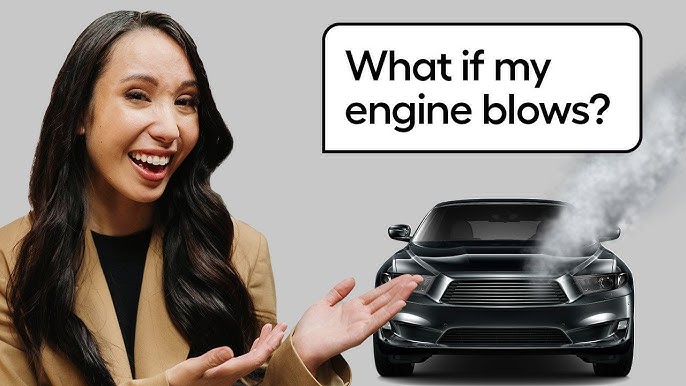
Engine damage is one of the most expensive car repair scenarios, often costing thousands of dollars. Whether it’s from overheating, water ingestion, a collision, or mechanical failure, knowing your coverage options beforehand can save you significant stress and financial strain. This guide breaks down exactly what types of car insurance cover engine damage, what’s excluded, and how to ensure you’re protected.
What Types of Car Insurance Cover Engine Damage?
Not all car insurance policies are created equal when it comes to engine protection. The key lies in the type of coverage you carry. While basic liability insurance won’t help with engine repairs, two main add-ons can provide critical protection: comprehensive and collision coverage.
Comprehensive Coverage
Comprehensive insurance protects your vehicle against non-collision-related damage. This includes events like fire, theft, vandalism, falling objects (like tree branches), and natural disasters such as floods or hailstorms. If your engine is damaged due to water flooding during a storm or a fallen power line hitting your hood, comprehensive coverage typically applies.
For example, if heavy rain causes flooding in your area and your car’s engine sucks in water while driving through a deep puddle—a common cause of “hydrolock”—your comprehensive policy may cover the resulting engine damage. However, this depends on whether you were driving through standing water negligently or if it was an unavoidable act of nature.
Collision Coverage
Collision coverage pays for damage to your vehicle after an accident with another car or object, regardless of fault. If you rear-end another vehicle and the impact damages your engine block or internal components, collision insurance should cover the repair or replacement costs—minus your deductible.
Keep in mind that collision coverage only applies to physical impacts. It won’t cover wear-and-tear issues or mechanical failures unrelated to an accident. So if your engine seizes due to low oil levels over time, that’s not a collision event—and likely not covered.
Mechanical Breakdown Insurance (MBI) and Extended Warranties
Standard auto insurance does not cover mechanical failures due to normal use or aging parts. That’s where Mechanical Breakdown Insurance (MBI) comes in. Offered by some insurers as an add-on or through third-party providers, MBI functions similarly to an extended warranty and can cover engine repairs due to internal component failure.
Unlike traditional insurance, MBI is designed specifically for mechanical systems—including engines, transmissions, and electrical systems. It’s especially useful for older vehicles no longer under manufacturer warranty. However, MBI often comes with limitations, such as mileage caps, age restrictions, and exclusions for pre-existing conditions.
When Does Car Insurance NOT Cover Engine Damage?
Just as important as knowing what’s covered is understanding what’s excluded. Most insurers explicitly deny claims for engine damage caused by neglect, wear and tear, or improper maintenance. These exclusions are standard across nearly all policies and are rooted in the principle that insurance is meant for sudden, unexpected events—not gradual deterioration.
Normal Wear and Tear
Engines have a finite lifespan. Over time, components like pistons, gaskets, and timing belts degrade. If your engine fails because it simply wore out, your insurer will not pay. This is considered a maintenance issue, not a covered peril.
For instance, if your car has 200,000 miles and the engine seizes due to lack of oil changes, that’s on you—not the insurance company. Regular maintenance logs can help prove diligence, but they won’t override policy exclusions for mechanical aging.
Negligence and Lack of Maintenance
Driving with low oil, ignoring warning lights, or failing to address known issues voids most engine-related claims. Insurers may deny coverage if they determine the damage resulted from driver negligence.
Imagine your dashboard warning light flashes for low coolant, but you continue driving for weeks. Eventually, the engine overheats and warps the cylinder head. In this case, the insurer will likely classify the damage as preventable and deny the claim.
Manufacturer Defects and Lemon Laws
If your engine fails due to a factory defect, your first recourse should be the manufacturer’s warranty—not your auto insurer. Most new cars come with powertrain warranties that cover engine and transmission issues for several years or miles.
In rare cases where a defect persists despite repairs (a “lemon”), state lemon laws may require the manufacturer to replace the vehicle or refund your money. Auto insurance does not intervene in these situations unless the defect leads to an accident covered under collision or comprehensive.
Real-World Examples: When Engine Damage Is Covered
Let’s look at practical scenarios to clarify how coverage works in real life. These examples illustrate the fine line between what insurers will and won’t pay for.
Example 1: Flood Damage After a Hurricane
You park your car on the street during a hurricane. Rising floodwaters submerge the engine bay. When you try to start the car later, water has entered the combustion chambers, causing hydrolock and bent connecting rods.
Because this was caused by a natural disaster, your comprehensive coverage should apply—assuming you have it. Most insurers treat flood damage as a covered peril under comprehensive policies.
Example 2: Rear-End Collision Damages Radiator and Engine Mounts
Another driver hits you from behind at a stoplight. The force pushes your engine backward, cracking the radiator and damaging motor mounts. Internal components remain intact, but the engine won’t run without repairs.
This is a clear-cut case for collision coverage. Since the damage resulted directly from an accident, your insurer should cover the repairs after you pay your deductible.
Example 3: Engine Seizes Due to Sludge Buildup
You haven’t changed your oil in over 30,000 miles. Sludge accumulates in the engine, blocking oil passages and causing metal-on-metal friction. Eventually, the engine locks up.
This scenario falls squarely under “lack of maintenance.” No standard auto insurance policy—comprehensive, collision, or liability—will cover this. You’re responsible for the full repair or replacement cost.
How to Check If Your Policy Covers Engine Damage
Don’t assume your current policy includes engine protection. The best way to verify is to review your declarations page—the summary sheet sent with your policy. Look for sections labeled “Comprehensive,” “Collision,” or “Other Than Collision.”
If those lines show a premium amount and a deductible, you likely have coverage for non-collision and collision-related engine damage. If they’re blank or marked “None,” you’re unprotected unless you add the coverage.
You can also call your agent or insurer directly. Ask specifically: “Does my policy cover engine damage from accidents, floods, or fires?” Get clarification on deductibles, claim limits, and any exclusions related to mechanical systems.
For older vehicles, consider whether adding comprehensive and collision is cost-effective. If your car’s market value is low, the annual premium might exceed potential repair costs. In such cases, self-insuring (saving for repairs) may be smarter than paying for coverage.
Tips to Protect Your Engine and Maximize Coverage
Prevention is always better than repair—especially when it comes to engines. A few proactive steps can reduce the risk of damage and improve your chances of a successful insurance claim if something goes wrong.
- Follow the maintenance schedule: Stick to your manufacturer’s recommended oil change intervals, coolant flushes, and belt replacements.
- Monitor warning lights: Don’t ignore the check engine light, temperature gauge, or oil pressure indicator.
- Avoid deep water: Never drive through flooded roads. Even shallow water can be deeper than it appears and cause hydrolock.
- Keep records: Save receipts and logs of all maintenance work. These can support your claim if an insurer questions negligence.
- Review your policy annually: As your car ages or your driving habits change, reassess whether you need comprehensive or collision coverage.
Key Takeaways
Car insurance can cover engine damage, but only under specific circumstances. Comprehensive coverage handles non-collision events like floods, fires, and vandalism. Collision coverage applies when an accident causes engine harm. Neither covers mechanical failure due to age, wear, or poor maintenance.
Mechanical Breakdown Insurance offers an alternative for internal engine issues but comes with its own rules and limitations. Always read your policy details, maintain your vehicle diligently, and avoid risky behaviors like driving through deep water.
If you’re unsure about your coverage, contact your insurer before an emergency strikes. Knowing your protections ahead of time ensures you won’t face a costly surprise when your engine fails.
Frequently Asked Questions
Will my insurance cover engine damage from overheating?
Only if the overheating was caused by a covered event—like a collision that ruptures the radiator or a fire that melts engine components. If overheating results from low coolant due to neglect, your claim will likely be denied.
Does comprehensive insurance cover engine damage from hail?
Yes, if hail strikes your vehicle and causes physical damage that affects the engine (e.g., denting the hood and damaging internal parts). However, superficial dents alone won’t justify an engine repair claim unless they lead to functional failure.
Can I add engine coverage to my existing policy?
You can add comprehensive and collision coverage at any time, subject to insurer approval and vehicle value assessments. Mechanical Breakdown Insurance may also be available as an endorsement, depending on your provider and car’s age.
Final Thoughts
Understanding whether car insurance covers engine damage empowers you to make smarter decisions about your vehicle and financial protection. While standard policies fall short in many engine failure scenarios, the right combination of comprehensive, collision, and optional MBI coverage can offer peace of mind.
Remember: insurance is designed for unexpected events, not routine breakdowns. Stay proactive with maintenance, drive safely, and keep your policy aligned with your needs. That way, if engine trouble strikes, you’ll know exactly where you stand—and what your insurer will (or won’t) pay for.