

Imagine borrowing a friend’s sedan to run a quick errand, only to get into a fender bender on the highway. Consequently, you might find yourself facing thousands of dollars in medical bills and property damage. If you frequently drive vehicles you do not own, you must ask yourself: what is non-owner car insurance and who needs it?
Fortunately, insurance companies offer a specialized financial safety net designed specifically for this situation. This type of policy provides liability coverage for drivers who do not own a vehicle but still need protection. Ultimately, it ensures you are not left financially vulnerable when operating someone else’s car.
Furthermore, understanding how this coverage works can save you from devastating legal and financial consequences. In this comprehensive guide, we will break down the mechanics of these policies, explore who benefits most, and help you decide if this coverage is right for your lifestyle.
Understanding How Non-Owner Liability Policies Work
A non-owner car insurance policy is fundamentally a liability-only contract between you and an insurance provider. Therefore, it does not cover damage to the vehicle you are driving. Instead, it pays for bodily injuries and property damage that you cause to others in an accident.
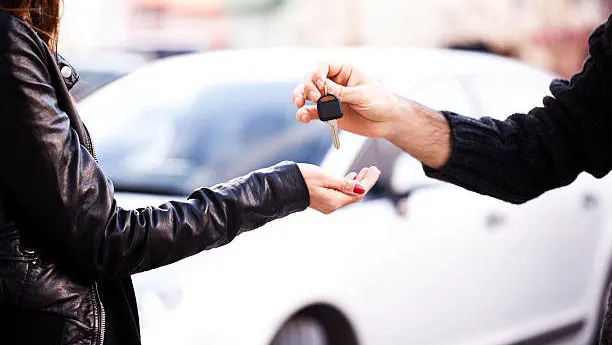
Typically, this coverage acts as secondary insurance. When you drive a borrowed car, the vehicle owner’s primary auto policy pays first in the event of a collision. However, if the damages exceed the owner’s policy limits, your non-owner policy kicks in to cover the remaining costs. As a result, you gain an extra layer of financial security.
In addition, these policies usually include uninsured or underinsured motorist coverage in certain states. This means you are protected if an uninsured driver hits you while you are operating a borrowed vehicle. To understand your state’s specific minimum requirements, you can consult the National Association of Insurance Commissioners for detailed local regulations.
What is Non-owner Car Insurance and Who Needs It?
Now that we have established the basics, let us address the core question: what is non-owner car insurance and who needs it? This coverage is not a one-size-fits-all solution, but it is highly beneficial for several specific groups of drivers.
First, frequent car renters can save a significant amount of money with this policy. Rental car companies charge high daily rates for liability waivers at the counter. Consequently, carrying your own non-owner policy is often much cheaper over the course of a year.
Second, individuals who regularly use car-sharing services like Zipcar need this protection. While these services do provide basic liability, the coverage limits are often extremely low. Therefore, having a personal policy ensures you are fully protected during your trips.
Third, people who frequently borrow vehicles from friends or extended family members should consider this option. Although the owner’s policy is primary, you cannot always guarantee they have adequate coverage limits. By carrying your own policy, you protect both your finances and your personal relationships.
Finally, drivers who do not currently own a car but want to avoid a lapse in coverage need this insurance. Insurance companies view a gap in your insurance history as a major risk factor. As a result, maintaining a non-owner policy keeps your rates low for when you eventually buy a vehicle.
The Critical Role of SR-22 and FR-44 Filings
For some motorists, purchasing a non-owner policy is not just a smart choice, but a legal necessity. If your driver’s license has been suspended due to a DUI or multiple traffic violations, your state may require an SR-22 or FR-44 certificate. These documents serve as official proof that you carry the legally mandated amount of liability coverage.
If you do not own a car, you cannot purchase a standard auto policy to satisfy this court order. Consequently, a non-owner policy is the only way to file the necessary paperwork with the state. You can learn more about how these certificates are processed by visiting the California Department of Motor Vehicles or your local state equivalent.
Furthermore, keeping this policy active is absolutely vital to keeping your driving privileges. If you let the policy lapse, the insurance company is legally obligated to notify the state immediately. Consequently, your license will likely be suspended again, resetting your probationary period.
What is Excluded from a Non-Owner Policy?
While this insurance is incredibly helpful, you must understand its limitations to avoid unexpected out-of-pocket expenses. Most importantly, a non-owner policy never includes comprehensive or collision coverage. Therefore, it will not pay for physical damage to the car you are driving, regardless of who caused the accident.
In addition, these policies do not cover vehicles owned by members of your household. If you regularly drive a car owned by a spouse, parent, or roommate, insurance providers expect you to be listed on their primary policy. Attempting to use a non-owner policy for a household vehicle will likely result in a denied claim.
Furthermore, these policies do not cover business use or commercial driving. If you use a borrowed or rented vehicle to deliver food, transport goods, or drive for a rideshare company, you will need commercial coverage. Standard liability rules, as outlined by the Insurance Information Institute, generally exclude business activities from personal policies.
How Much Does Non-Owner Coverage Cost?
Fortunately, non-owner car insurance is typically much cheaper than standard auto insurance. Because you do not have a specific vehicle tied to the policy, the insurance company faces significantly lower risk. As a result, premiums are highly affordable for drivers with clean records.
On average, you can expect to pay between two hundred and five hundred dollars per year for this coverage. However, your actual premium will depend on several personal factors. These factors include your geographic location, your age, your driving history, and the coverage limits you select.
Naturally, if you require an SR-22 filing, your rates will be higher due to your high-risk status. Nevertheless, a non-owner SR-22 policy remains far more affordable than a standard policy with the same filing. Therefore, it is an excellent way to rebuild your driving record without breaking the bank.
How to Buy the Right Policy for Your Needs
Purchasing a non-owner policy requires a slightly different approach than buying a traditional policy. Because these products are specialized, many major insurers do not offer online quotes for them. Consequently, you will likely need to speak directly with an insurance agent over the phone or in person.
Before you call, gather your driver’s license number and your payment information. You should also be prepared to answer questions about your driving history and how often you plan to use borrowed cars. If you need an SR-22 filing, make sure to state this immediately so the agent can submit the paperwork correctly.
Furthermore, it is always wise to compare quotes from at least three different insurance providers. Rates can vary significantly between companies for the exact same level of coverage. By shopping around, you can ensure you get the best possible protection at the lowest price.
Frequently Asked Questions About Non-Owner Insurance
Does non-owner car insurance cover rental cars?
Yes, a non-owner policy typically provides liability coverage when you rent a car. However, it will not cover physical damage to the rental vehicle itself, so you may still want to purchase collision damage coverage from the rental counter or use a credit card that offers this benefit.
Can I get a non-owner policy if I live with someone who owns a car?
Generally, no. Insurance companies assume you have regular access to any vehicles owned by members of your household. Therefore, they usually require you to be added as a driver on the household member’s primary policy instead of buying a separate non-owner policy.
Will this policy cover my medical bills if I get injured?
A basic non-owner policy only covers liability for injuries to other people. However, you can often add Medical Payments or Personal Injury Protection to your policy depending on your state, which will help pay for your own medical expenses after an accident.
Can I use a non-owner policy to register a car?
No, you cannot use this type of policy to register a vehicle. To register a car with your state, you must show proof of a standard auto insurance policy that specifically lists the vehicle’s unique identification number.
Does non-owner insurance cover business driving?
No, these policies strictly exclude any commercial use. If you are driving for a delivery service, a rideshare platform, or any other business purpose, you must purchase a dedicated commercial auto insurance policy to remain protected.
Securing Your Financial Peace of Mind
In conclusion, navigating the road without owning a vehicle does not mean you should drive unprotected. If you frequently borrow cars, rent vehicles, or need to maintain continuous coverage, a non-owner policy is an invaluable tool. It offers a highly affordable way to protect your personal assets from the devastating costs of an auto accident.
Ultimately, taking the time to secure this coverage today ensures you can drive with confidence tomorrow. By understanding your options and choosing the right policy, you protect your financial future no matter whose car you are driving. Speak with an insurance professional to explore your options and find the perfect policy for your unique lifestyle.
