

Your phone rings, and it is your friend, and his voice is shaking. He borrowed your car to pop to the shops, and somebody ran into him at the junction. Your first thought is: is he alright? Your second thought, about ten seconds later, is: whose insurance pays for this?
You are probably thinking: he was driving, so his insurance handles it. Part of you wants to believe the whole thing is his problem. The truth is usually the other way round, and it lands on you.
Insurance follows the car, not the driver
So does your car insurance follow the car or the driver? In most cases, it follows the car. The policy on the vehicle is normally primary, which means it pays first for damage and liability up to its limits.
The other driver own policy may act as secondary cover if your limits run out. That backup only matters once your cover is exhausted, so the details of your own policy shape the outcome far more than the details of theirs.
In most standard policies, your cover follows the car in this sense. The National Association of Insurance Commissioners publishes consumer guidance on how auto cover works, and its auto insurance resources are a useful place to check the basics.
Lending your car means lending your insurance, including your deductible and your claims history. That is worth remembering before you hand over the keys. If this is you, the driver who lent the car yesterday without a second thought, the claim that follows is yours, not your friend’s.
This rule also explains why your insurer wants to know who drives the car. The risk sits with the vehicle, so the insurer prices the policy around the people who use it most. Keeping that list accurate protects you if a claim ever arises. But the price you pay depends on one question you have not asked yet: is the person you lent it to actually on your policy at all?
Permission matters more than the relationship
Cover usually turns on whether the driver had your permission, which insurers call permissive use. With permission, your policy normally applies in the usual way.
You may be wondering: can someone else drive my car and still be covered? The answer is often yes when permission was given, but the answer depends on your policy wording and on whether the driver is someone who should have been listed on it.
Permission does not always need to be written down. A history of lending the car, a text message, or a spoken offer can all count, though written proof makes a claim far simpler.
If the driver was a regular user of your car, such as a partner or a grown up child living at home, the insurer may ask why that person was not listed. The guide to whether someone else can insure your car explains how listed drivers and household members usually work.
A short message before lending the car can save a long dispute later. Tell the borrower that they are covered under your policy and that your deductible would apply if anything happened. That clarity keeps friendships intact even when a claim gets awkward. You are probably thinking: that conversation feels awkward before you lend the car. It feels far worse after a crash, when the money is real.
What to do after a car accident that was not your fault
You were not in the car, so your job starts with a phone call. Tell the borrower to check for injuries, call emergency services if anyone is hurt, move to a safe spot if they can, and take photos of both cars, the road, and any damage.
Tell them to exchange names, contact details, and insurance details with the other driver, and to note the time, place, and weather. If the police attend, they should ask for the report number so your insurer can follow it up.
Then tell your own insurer promptly, even when the other driver seems clearly at fault. When you report it, the insurer will ask who was driving, whether they had permission, and whether they live with you, so have those answers ready. The guide to filing a car insurance claim properly covers what to report and what to keep for your records.
Tell the borrower not to admit fault at the scene and not to agree to settle privately before you know the full cost. Damage that looks minor can hide repair bills that only a garage can confirm. So am I covered or not if the other driver admits it was their fault? Usually yes, and your insurer may still handle the claim first and recover the cost afterwards.
What if the driver had no permission
If someone crashes your car without permission, the situation is different, and it can turn messy fast. If someone took your car without asking, the insurer may treat it as unauthorised use and investigate before paying anything.
You may need to report the taking to the police, and the insurer may ask for a statement about who had access to the keys. This is one reason to keep spare keys somewhere secure and to be careful about who can reach them.
The National Highway Traffic Safety Administration publishes road safety guidance and crash reporting advice. Its safety resources can help you understand what to expect after a serious collision.
If the driver had permission but was unlicensed, under the influence, or using the car for something your policy excludes, cover can still be refused. Read the exclusions in your policy before you assume a claim will be paid. If this is you, the driver whose teenager took the car without asking, the police report is not optional. It is what separates a claim from a refusal.
How a claim affects your record and your premium
Even when a friend was driving, the claim usually lands on your policy. Your deductible applies, and the claim can sit on your record at renewal, which may push your premium up.
That feels unfair when you were not even in the car. It is the direct result of the car carrying the cover, not the driver, and it is why lending a car is a financial decision as well as a favour.
Whether your premium rises depends on fault, the size of the claim, your claims history, and your insurer. The guide to what full coverage car insurance means explains how the cover types in a fuller policy respond after a crash.
Ask your insurer how the claim will be recorded and whether accident forgiveness applies to your policy. A clear answer now is better than a surprise at renewal.
Keep every document from the claim, including photos, messages, and the claim number. Insurers sometimes revisit a claim at renewal, and a tidy file makes it easy to explain what happened. It also helps if the other driver version of events changes later. There is one catch, and it is the one that decides your claim: if you cannot show who had permission, the insurer gets to ask its own questions.
Before you lend your car again
Check that the person is licensed and that your policy covers occasional drivers. If someone drives your car often, ask whether they should be added as a listed driver.
Make sure the car itself is roadworthy, with tyres, lights, and brakes in good order. A crash caused by poor maintenance can complicate a claim even when the driver did nothing wrong.
Keep your insurance details and emergency contacts in the car, and agree in advance who pays the deductible if something happens. A short honest conversation before lending avoids a long argument afterwards.
Lending a car is a kindness, and it is fine to keep doing it. Just do it with your eyes open, knowing that your policy, your deductible, and your record are all part of the deal.
If you lend the car to the same person every week, treat them as a regular driver rather than an occasional borrower. Ask your insurer to confirm in writing whether they need to be listed. Written confirmation removes the doubt and keeps the cover sound. Make that call before you lend the car again. You already know the answer, you just do not want to pay it: the next lend is the one you prepare for, not the one you regret.
Frequently Asked Questions
Who pays if a friend crashes my car?
Your policy usually pays first, because insurance follows your car. Your deductible applies, and the claim sits on your policy. Your friend own policy may act as secondary cover if your limits run out.
Does it matter that the other driver was at fault?
Fault still matters for you, and it shapes who ultimately bears the cost. If another driver caused the crash, their liability cover may reimburse your insurer. Your insurer may still handle the claim first and recover the cost afterwards.
What if someone drove my car without permission?
Unauthorised use is treated differently, and your insurer will investigate before paying. You may need to report the taking to the police and give a statement about the keys. Cover is not guaranteed in these cases.
Will my premium rise after someone else crashes my car?
It can rise, because the claim usually lands on your policy. Whether it rises depends on fault, the size of the claim, your history, and your insurer. Ask your insurer how the claim will be recorded and whether accident forgiveness applies to you.
Should I add a regular borrower to my policy?
Yes, if someone drives your car often, ask your insurer about adding them as a listed driver. Leaving a regular driver off your policy can complicate a claim. A quick call now can prevent a refused claim later.

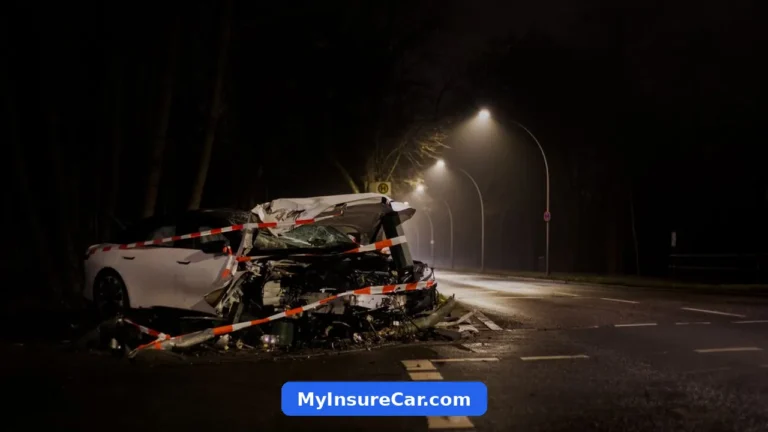
[…] Can you drive someone else’s car on your own policy? Generally no. Your policy covers cars you own or hire, not cars owned by other people. The owner’s policy is the one that responds. For the question of what happens when the borrowing goes wrong, read what happens if someone else crashes your car. […]