

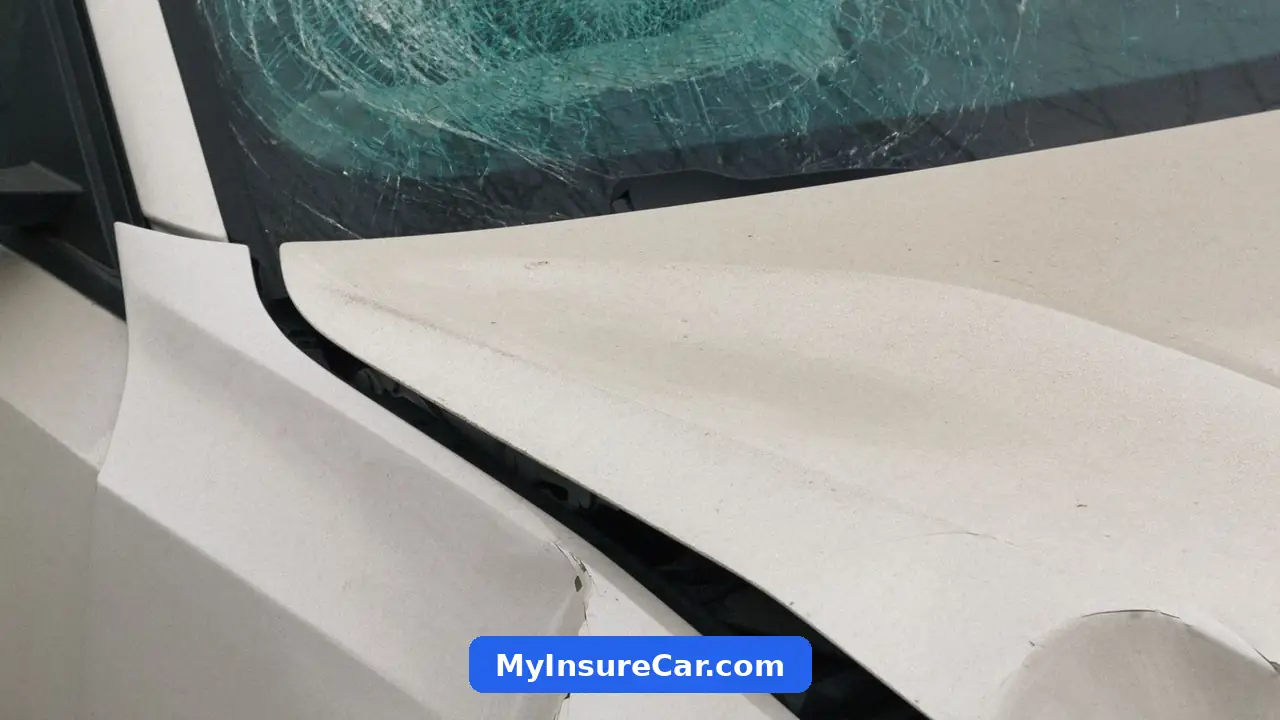
You have filed your claim, and now you are waiting. Every day without your car feels longer. You check your phone, no update. You check your email, nothing. And the one question you keep asking is the simplest one: how long will this take, and is anyone actually doing anything about my car?
Here is the answer for your claim, not in general. By the end, you will know which stage your claim is in, what usually holds it up, and the one question that gets you a straight answer. Because waiting blind is the worst part, and knowing where your claim sits ends it.
What decides how long your claim takes
Four things set the pace. The first is the type of damage. Glass and minor bodywork move fast because the cost is easy to agree. Structural damage moves slowly because it needs a full inspection and often a supplement. Injury claims move slowest, because treatment has to finish before the full cost is known. If this is you, waiting on an injury claim while treatment is still going on, your claim cannot finish before your treatment does, and no amount of chasing changes that.
The second is fault. When fault is clear and the other driver accepts it, the claim moves. When fault is disputed, both insurers investigate, and that takes time. The third is paperwork. Missing photos, a missing police report, or a repair shop that has not sent its estimate will stall a claim more reliably than any argument about money. You are probably thinking: so my claim is probably stuck on something boring, not something big. Usually yes, and boring is good news, because boring is fixable.
The fourth is your state’s rules. Most states require insurers to acknowledge a claim promptly and to decide within a set window, often around thirty days for a straightforward claim. Complex claims can run longer, but the insurer should tell you why and what it is waiting for. Your state insurance department can explain the deadlines that apply where you live. But deadlines are only half the picture, because your claim moves through stages, and each stage has its own clock.
The claim timeline, step by step
Day one is reporting. Call your insurer, give the facts, and get a claim number. Take photos at the scene if you can, and keep the names of any witnesses. This is the cheapest time to build a strong file. An hour spent here can save you weeks later.
Days two to five are inspection and estimate. An adjuster looks at the car, either in person or from your photos, and writes an estimate. If the damage is hidden, the shop takes the car apart and sends a supplement. For a simple claim, you can have an approved estimate within a few days of reporting. If this is you, on day six with no estimate and no call, your claim is already behind.
Days five to fourteen are approval and repair for most minor claims. The shop orders parts, does the work, and the insurer pays. If parts are delayed, especially for newer models with sensors and cameras, this is the stage that stretches. Ask the shop for a realistic completion date rather than a promise, and check in once, not daily.
Payment usually follows within days of the repair being signed off. If the claim is a total loss, the timeline is different: the insurer values the car, makes an offer, and you negotiate. That process commonly takes two to four weeks from the day the car is declared a total loss.
Typical timeframes by claim type
Windshield and glass claims are usually the fastest, often resolved in a few days. Minor bodywork, such as a dented door or a cracked bumper, typically takes one to three weeks from report to repaired car. Moderate collisions with hidden damage and supplements often take three to six weeks. Our guide to how repair costs are handled explains why supplements and parts delays stretch this stage.
Injury claims are a different category. A claim involving medical treatment cannot be settled until doctors know the full extent of the injury and the cost of treatment. That is why injury claims commonly take months, and serious ones longer. Settling an injury claim before treatment is complete is one of the costliest mistakes you can make, because once you settle, you cannot go back for more. You are probably thinking: but I need the money now. That pressure is exactly why early settlements are offered, and why you should not take one before your treatment is done.
Theft claims also take longer, because the insurer waits to see whether your car is recovered. If it is found quickly, the claim becomes a repair claim. If it is not found, the insurer pays your car’s actual cash value after the waiting period set by the policy and by state rules. So if you are staring at an empty parking space right now, that waiting period is the number to ask your insurer about first.
How to speed up your claim
Report the same day. Upload clear photos from several angles, including close ups of each damaged area and wide shots that show where the car was. Keep the police report number handy. Answer the adjuster’s calls and messages promptly. Every day you wait to send a document is a day added to your claim.
Keep one log. Write down your claim number, the adjuster’s name, the date of each call, and what was agreed. When you chase progress, ask one specific question: what exactly is still missing? The answer is usually a document, a photo, or a decision from the other driver’s insurer. Once you know, you can usually supply it. That one question is the difference between waiting blind and moving your claim forward.
If you have never been through this before, read our guide to filing a car insurance claim properly before you make the first call. It covers the order of steps and the mistakes that cost people money. Small errors at the start, such as giving a recorded statement before you understand what happened, can slow a claim for weeks.
After a car accident, what matters most
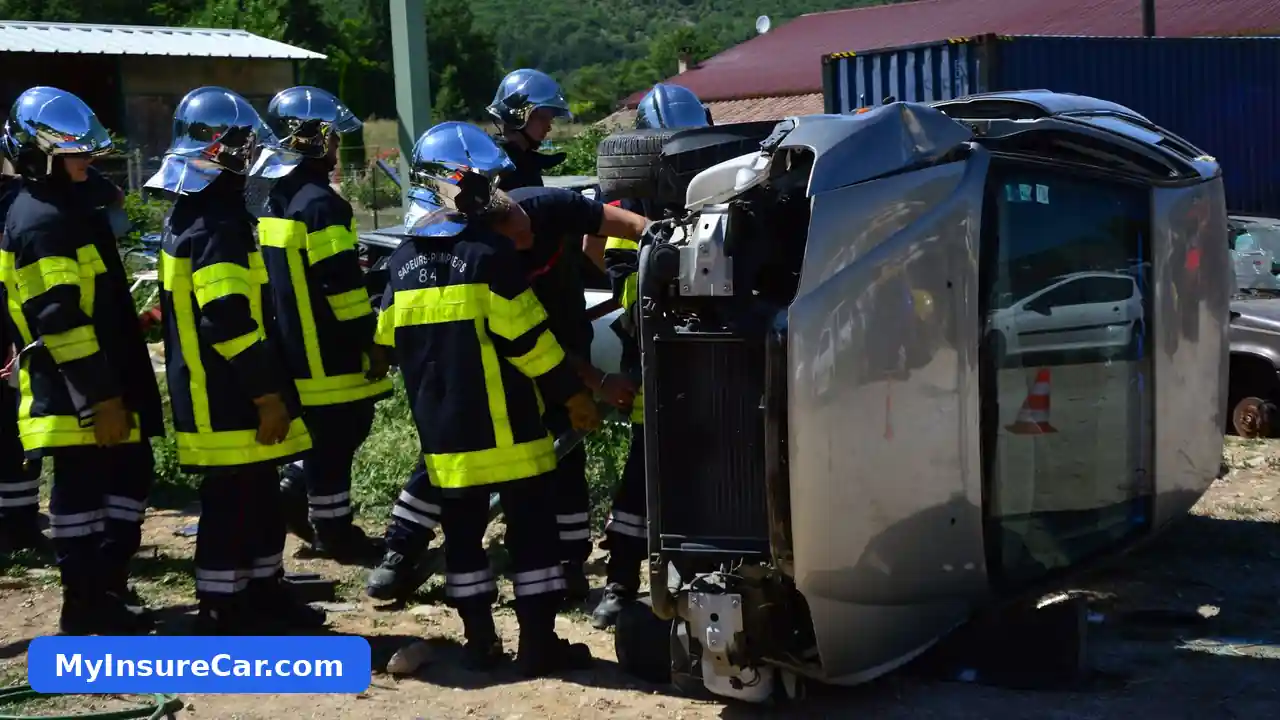
What you do in the first hours shapes the whole timeline. After a car accident, check for injuries first and call emergency services if anyone is hurt. Move to safety if you can. Then photograph everything, exchange details, and report the claim. Do not argue about fault at the roadside, and do not agree to settle in cash with the other driver. A handshake deal leaves you with no record and no recourse.
If the other driver was at fault, you can usually claim on their policy, but that takes longer than claiming on your own. You can claim on your own policy first, pay the deductible, and let the insurers recover the money between themselves.
That recovery has a name: subrogation. When your insurer pays your repair and then recovers the money from the at-fault driver’s insurer, that is subrogation, and your deductible comes back through it. The recovery can take weeks or months, and it is not guaranteed, which is why the deductible you choose should be an amount you can afford to be without for a while. If the other driver has no insurance, there is no one to recover from, and your deductible usually stays paid. Our guide to filing a car insurance claim properly explains the order of steps that keeps this recovery clean.
Ask your insurer for the subrogation status in writing when you chase the claim. They should be able to tell you whether the other insurer has accepted fault and whether a recovery demand has been sent. A recovery that is still open is a reason to keep the claim file open, not to close it.
The deductible is normally refunded if the other driver is found at fault. Ask your insurer whether this route suits your situation. You are probably thinking: why would I pay my own deductible for someone else’s crash? Because your car gets fixed this month instead of next.Keep every receipt. Rental car costs, towing charges, and repair bills all belong in the file. Your claim with receipts moves faster than a claim built on memory. If your insurer offers a rental car, confirm who pays for it and for how many days before you accept.
When to get help
Most claims settle without any outside help. You need help when the insurer denies a claim you believe is covered, when the valuation of a total loss is far below the market, or when an injury claim involves ongoing treatment. In those cases, talk to a licensed public adjuster for a property dispute, or to a personal injury lawyer for an injury claim.
Before you hire anyone, check whether your policy has an appraisal clause. Many policies do. It lets you and the insurer each hire an appraiser to value the loss, and if the two appraisers disagree, they pick an umpire to decide. The clause covers the amount of a loss, not whether the loss is covered at all, so it is the tool for a valuation dispute, not a coverage denial. It costs you the fee for your own appraiser, so use it when the gap between the two valuations is large enough to be worth that fee. Our guide to what happens after a total loss payout explains how the valuation itself is built.
Many offer a free first consultation.You can also complain to your state insurance department if you believe the insurer is not following the rules. Departments take written complaints, and insurers take those complaints seriously. Before you complain, gather your log, your claim number, and your documents. Your complaint with evidence gets attention. A complaint without it does not.
Know what your policy covers before you need it. Basic auto policy coverage varies more than you probably realize, and the difference between collision, comprehensive, and liability coverage decides which claims are paid at all. A few minutes reading your declarations page now can save you a painful surprise after a crash.
Frequently Asked Questions
How long does a car insurance claim take?
Minor claims such as glass or a dented door often take one to three weeks for you. Moderate collisions with hidden damage take three to six weeks. Injury claims take months, because treatment must finish before the full cost is known.
What should I do in a car accident?
Check for injuries and call emergency services if anyone is hurt. Move to safety, photograph everything, exchange details, and report your claim the same day. Do not argue about fault at the roadside.
Can I get insurance after an accident?
Yes. You can buy or renew cover after an accident, but an at fault accident usually raises your premium at renewal. Shop with accurate details and keep your cover continuous to get the best available price.
Why is my claim taking so long?
The most common causes are missing photos or documents, a supplement for hidden damage, a parts delay, or a fault dispute. Ask your insurer one specific question: what exactly is still missing?
Should I claim on my own policy if the other driver was at fault?
Many drivers do, because it is faster for you. You pay the deductible, and your insurer recovers the money from the other driver’s insurer. The deductible is normally refunded if the other driver is found at fault.
Your claim takes as long as its slowest link. So do this today: call your insurer, ask what exactly is still missing, and supply that one item. Report early, document thoroughly, and chase the one missing item instead of the whole claim. For what comes next, see our guide to what happens after a claim is filed.
This guide is general education, not professional insurance advice, so confirm the details in your own policy and with a licensed insurance professional before you act. Full disclaimer



[…] take a day to consider it. If the amount involves an injury, get advice before you sign. Knowing how long a claim takes helps you judge whether a quick settlement offer is fair or simply […]
[…] a well documented claim in a day. A thin file with missing photos can sit for weeks. Knowing how long a car insurance claim takes helps you judge whether your own claim is on track or […]