Imagine opening your monthly auto insurance bill and wondering if you can earn some quick cash-back rewards. You might be asking yourself if charging this recurring expense is a smart financial move.
Fortunately, the short answer is yes. Most major insurance providers in the United States gladly accept credit cards for both monthly and annual payments. However, swipe fees and interest rates can quickly turn a smart financial move into an expensive mistake. Therefore, you must understand how this payment method impacts your wallet before you save your card details online.
How Does Paying for Car Insurance with a Credit Card Work?
Paying for your coverage with a credit card is usually a very straightforward process. When you sign up for a policy, the insurer will ask for your preferred payment method. You can simply enter your credit card number, expiration date, and security code just like any other online purchase.
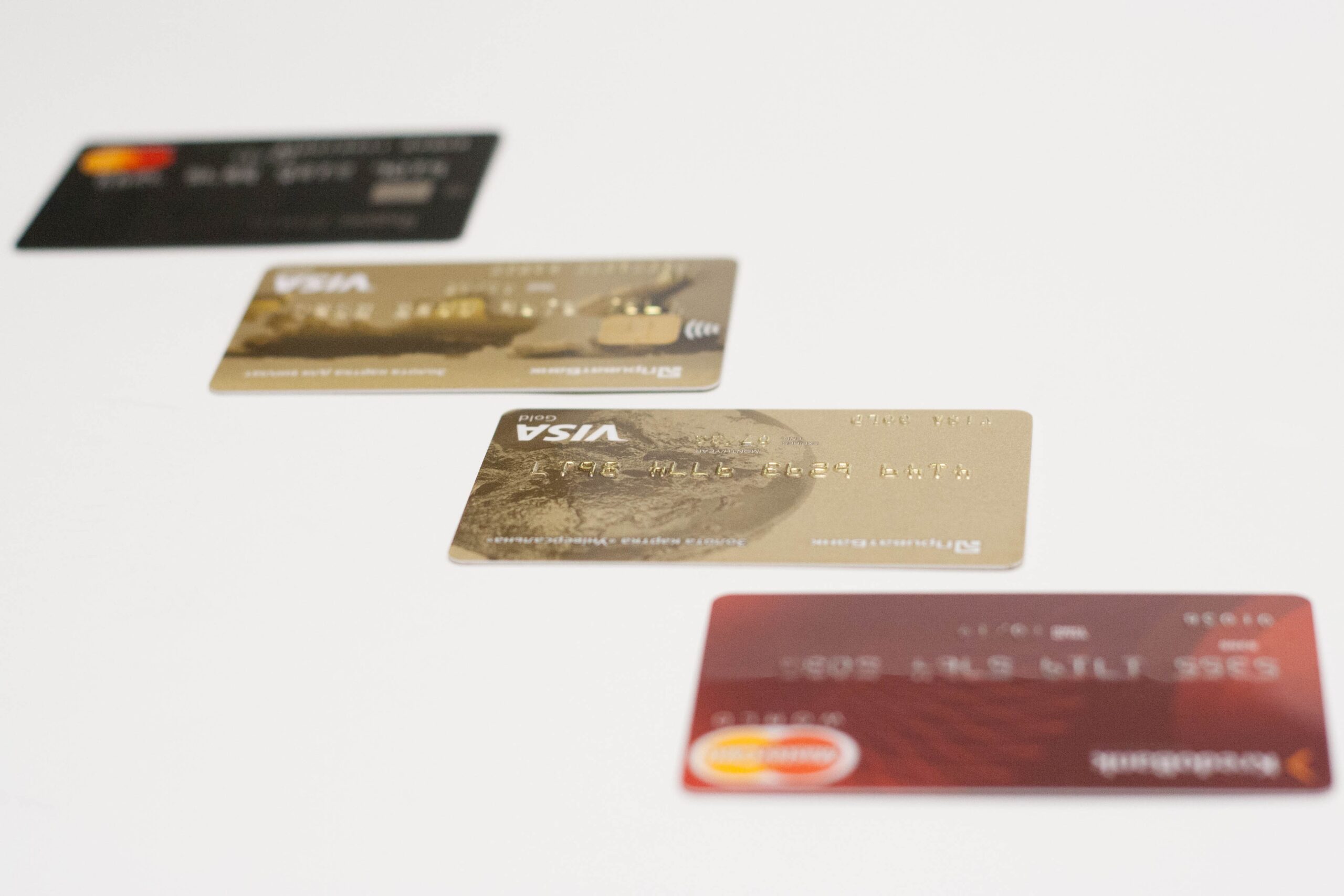
Most major auto insurers accept primary card networks including Visa, Mastercard, Discover, and American Express. In addition, you can choose to make a one-time payment or set up automatic monthly deductions.
According to guidelines from the National Association of Insurance Commissioners, payment options can vary depending on state regulations and individual company policies. Consequently, it is always wise to confirm acceptance with your specific carrier beforehand.
Weighing the Pros and Cons
Before you swipe your card, you need to analyse the advantages and disadvantages of this payment strategy. While the convenience is highly appealing, the hidden costs can sometimes outweigh the benefits. Let us dive deep into the specific details of both sides.
The Major Advantages of Using Plastic for Auto Insurance
One of the biggest benefits of using a credit card is the potential to earn valuable rewards points. If you have a cash-back or travel rewards card, putting a large premium payment on it can boost your balance significantly.
Furthermore, setting up automatic payments ensures you never miss a deadline. Consequently, you will avoid late fees and prevent a dangerous lapse in your coverage.
In addition, paying with credit can help you manage your monthly cash flow. If your premium is due before your next paycheck arrives, the card acts as a short-term, interest-free loan. However, this strategy only works if you pay off the balance in full when your statement arrives.
The Serious Drawbacks to Watch Out For
The most significant risk of this payment method is the potential for high interest charges. If you carry a balance on your card, the interest accrued will quickly wipe out any rewards you earned.
Additionally, some insurance companies charge a convenience fee for credit card transactions. This fee is often a flat rate of a few dollars or a percentage of the total premium.
Another concern is your credit utilization ratio, which measures how much credit you use compared to your limit. According to the Consumer Financial Protection Bureau, keeping your utilization below thirty percent is crucial for maintaining a strong credit score. A large semi-annual insurance payment could temporarily spike your utilization and lower your credit score.
When Is It a Smart Idea?
Using a credit card is highly beneficial if you are trying to meet a minimum spending requirement for a new card bonus. These sign-up bonuses often require you to spend several thousand dollars within the first few months.
Therefore, charging a six-month or annual car insurance premium can help you reach that threshold easily. This is an excellent way to unlock hundreds of dollars in bonus value.
Furthermore, this method is ideal if you pay your credit card balance in full every single month. In this scenario, you get all the rewards without paying a penny in interest.
When Should You Avoid Using a Credit Card?
You should avoid this payment method if your credit card has a high interest rate and you cannot pay the balance immediately. Accumulating credit card debt to pay for car insurance is a dangerous cycle that can harm your financial health.
In addition, you should skip the card if your insurer charges high processing fees. If the fee is three percent and your card only gives you one percent cash back, you are losing money on the transaction.
Consequently, you must calculate the math beforehand to ensure the transaction is truly profitable. If the fees exceed the rewards, a standard bank transfer is a much better option.
How to Avoid Fees When Paying Your Premium
To bypass unnecessary charges, ask your insurance provider if they waive convenience fees for policyholders who pay their entire premium upfront. Many companies offer a significant discount if you pay for six or twelve months of coverage at once.
As a result, you save money on the overall premium and avoid paying multiple monthly transaction fees. This double benefit makes upfront payments highly attractive.
Furthermore, consider linking your credit card to a digital wallet if the insurer supports it. Sometimes, payments made through digital wallets do not trigger the same convenience fees as direct card entries.
Alternative Payment Methods to Consider
If you decide that using a credit card is not the right choice, several reliable alternatives exist. The most common alternative is an Electronic Funds Transfer from your checking account.
Most insurance companies prefer this method and will often waive monthly administrative fees if you sign up for automatic bank drafts. According to the Federal Trade Commission, consumers should closely monitor their bank accounts to ensure automatic drafts match the agreed amounts.
Alternatively, you can pay with a standard debit card, which withdraws funds directly from your account without risking interest charges. You can also use traditional paper checks or money orders, though these methods require more manual effort and mailing time.
Frequently Asked Questions
Does paying car insurance with a credit card build credit?
Yes, paying your premium with a credit card can help build your credit score, but only if you pay your credit card bill on time. Your payment history is the most critical factor in your credit score calculation. Therefore, making consistent, on-time payments to your credit card company will positively influence your credit profile over time.
Do car insurance companies charge a fee for credit card payments?
Some car insurance companies charge a small transaction or convenience fee for credit card payments, while others do not. This fee is typically a flat charge of two to five dollars per transaction or a percentage of your total payment. Consequently, you should always review your insurer’s payment policy to ensure fees do not outweigh your rewards.
Can I set up automatic credit card payments for my car insurance?
Yes, most major insurance providers allow you to set up automatic recurring payments using your credit card. This is a highly convenient option that helps prevent missed payments and potential coverage lapses. However, you must ensure that your credit card has a sufficient limit and remains active to avoid failed transaction fees.
Will paying my insurance premium with a credit card hurt my credit score?
It will not hurt your credit score if you pay off the balance immediately and keep your credit utilization low. However, if you charge a large annual premium that pushes your credit card balance close to its limit, your score could temporarily drop. Therefore, it is best to pay down the balance as quickly as possible.
Can I pay my car insurance with a prepaid card?
Yes, many insurance companies accept prepaid debit cards that bear a major network logo like Visa or Mastercard. You will need to ensure the card has enough registered funds to cover the entire premium amount. In addition, some insurers do not allow automatic recurring payments with prepaid cards, requiring you to pay manually each month.
Conclusion
Deciding to pay your auto insurance premium with a credit card depends entirely on your personal financial habits. If you are disciplined enough to pay off your monthly statement in full, using a credit card is an excellent way to rack up valuable rewards points. Furthermore, it offers a convenient way to automate your bills and avoid missed deadlines.
However, if carrying a balance is a regular habit, the high interest rates will quickly overshadow any benefits. Additionally, convenience fees charged by some insurers can make this method highly impractical. Therefore, you should carefully weigh the potential costs against the rewards before making your final decision. By analyzing your options and understanding the terms of your insurance provider, you can make the absolute best choice for your financial future.