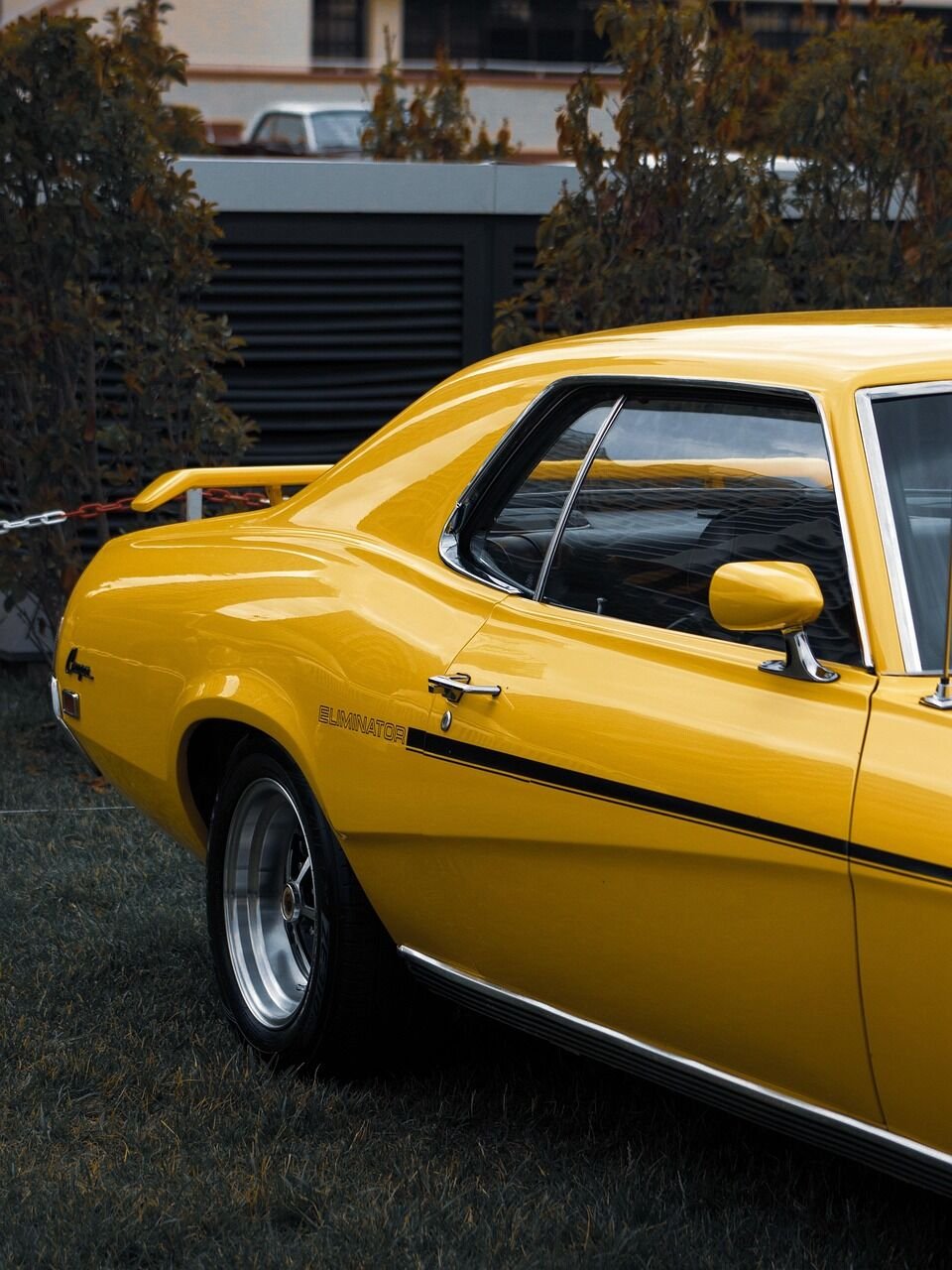
A standard auto policy is built for cars that lose value. Your classic is the opposite. A well kept 1960s Mustang or an original Mini Cooper can be worth more every year, which is exactly why a regular policy is the wrong tool for it.
Classic car insurance works differently from the ground up, and the most important difference is how your car is valued after a loss. This guide explains agreed value cover, who qualifies, what it costs, and how to insure a modified classic properly.
How classic car insurance differs
Standard insurance pays actual cash value: what your car was worth the day before the accident, after depreciation. For a ten year old saloon, that formula works. For a collector car that appreciates, it can leave you thousands short.
Classic policies flip the logic. You and the insurer agree the car’s value when the policy starts, and that figure is what a total loss pays. Premiums also reflect how these cars are actually used. Low annual mileage, careful owners, and secure storage mean lower risk, which usually means lower premiums than a daily driver policy.
Agreed value vs stated value vs actual cash value
These three terms sound similar and work very differently. Knowing which one your policy uses is the single most important detail in classic car insurance.
- Agreed value: you and the insurer agree a value upfront, documented with appraisals and photos. In a total loss, you receive that amount minus your deductible. No depreciation argument, no negotiation.
- Stated value: you state what the car is worth, but the insurer may pay the lesser of the stated value or the actual cash value. It caps the payout without guaranteeing it.
- Actual cash value: the standard approach. The insurer pays the market value at the time of loss, with depreciation applied. Fine for daily drivers, dangerous for appreciating classics.
Agreed value is the gold standard for collector cars because it removes the argument entirely. The Insurance Information Institute’s guide to insuring your classic car is a solid overview of how these valuations work and what insurers expect from owners.
What counts as a classic
Insurers define classics more broadly than car shows do. According to the Insurance Information Institute, vehicles that may warrant classic cover include antique and classic cars usually at least 25 to 30 years old, alongside hot rods, modified vehicles, muscle cars, classic trucks, and even exotics.
Age alone is not the test, though. A 30 year old car in poor condition with high mileage is just an old car. Insurers look for vehicles with collector interest: original or properly restored condition, limited production, or documented provenance that supports the value.
Eligibility rules you must meet
Classic policies come with strings attached, and they exist to keep premiums low. The typical requirements, drawn from the industry’s standard criteria, include limited use, secure storage, and a clean driving record.
- Limited use: the car cannot be your daily transport. Most policies cap annual mileage at a few thousand miles and require you to own another car for everyday driving.
- Secure storage: when not in use, the car must live in a locked, enclosed structure such as a garage. Street parking or open carports usually disqualify you.
- Clean record: serious offences such as drink driving or reckless driving can disqualify you from classic cover entirely.
- Occasional use only: pleasure drives, club events, and car shows are fine. Commuting, errands, and racing are not.
If your classic spends long stretches off the road, you may also want to read our guide to insuring vehicles in long term storage, which covers how to protect a car that barely moves.
What classic car insurance costs
Here is the pleasant surprise. Classic car insurance usually costs far less than a standard policy for a daily driver, often a fraction of the price. The reasons are simple: limited mileage, experienced owners, secure storage, and claims data that shows collector cars are crashed less often.
Your premium still depends on the agreed value, your driving record, where the car is stored, and how many miles you declare. Raising the agreed value raises the premium, so accurate valuation matters. The NAIC’s tips for saving on auto insurance explain the general rating factors, including annual mileage, that apply here too.
Cars with unusual risk profiles cost more to insure across the board. Our article on why some cars are cheaper to insure than others explains the rating logic insurers use.
The specialist insurers
A handful of companies dominate the collector market. Hagerty is the best known, built entirely around collector vehicles, with Grundy and American Collectors Insurance also specialising in agreed value policies for classics.
Mainstream insurers have noticed the niche too. Several large carriers now partner with specialists or offer their own classic programmes, which is worth checking if you prefer to keep all your policies with one company. Compare at least three quotes, because agreed values and mileage allowances differ more between classic insurers than standard premiums differ between regular ones.
Spare parts, automobilia and extras
A classic policy can cover more than the car. Spare parts cover pays for original and hard to find components if they are damaged or stolen, which matters when a single trim piece can cost more than a modern bumper.
Many policies also include automobilia cover for collectibles such as badges, literature, and memorabilia, plus flatbed towing and roadside assistance designed for low clearance vehicles. Check these extras before you buy, because they are where specialist policies justify their existence. Our breakdown of comprehensive vs collision cover explains the two damage protections these extras sit alongside.
What disqualifies a car
Not every old car can get classic cover. Daily driver use is the most common disqualifier: if the car is your commute, it belongs on a standard policy. Poor condition, previous undisclosed damage, and racing or timed events also rule a car out.
Household drivers matter too. Some insurers restrict young or high risk drivers in the household from touching the classic. If anyone with a rough record has access to the keys, say so upfront rather than risking a denied claim. If your car is simply old rather than collectible, our guide to car insurance for older cars covers the standard market options.
Tips for insuring a modified classic
Restomods and modified classics need extra care at application. Document everything: build receipts, photographs of the work, dyno sheets if you have them, and a professional appraisal that reflects the modifications rather than the stock car.
Most specialists will insure modified cars, but they want to see quality work and a realistic valuation. Update the agreed value at renewal if the market moves or you add significant parts. A value set five years ago can leave you underinsured today, which defeats the purpose of the policy.
Frequently Asked Questions
Can I use my classic car as a daily driver?
No, not on a classic policy. Limited use is a core requirement, and commuting or regular errands can void your cover. If you want to drive it daily, you need a standard policy instead.
Do I need a professional appraisal?
Usually, yes, at least for higher value cars. Insurers want documentation supporting the agreed value: appraisals, detailed photos, and records of restoration work or provenance. It protects both sides if a total loss occurs.
What happens if my car appreciates during the policy?
Ask for the agreed value to be reviewed at renewal. Many insurers allow mid term adjustments too. Keeping the value current is the whole point of the policy, so do not let it go stale.
Is stated value cover enough for a classic?
Rarely. Stated value lets the insurer pay the lesser of the stated amount or actual cash value, which reintroduces the depreciation argument. Agreed value is the safer choice for any car that holds or gains value.
Can I insure a car that is still being restored?
Yes, several specialists offer restoration cover that protects the car and its parts while work is in progress. Document the build with photos and receipts so the value can be established as the restoration advances.