


The car is sitting in your garage, keys in your hand, and the registration is not sorted. You are thinking: can I even insure it like this, or do I have to wait for the paperwork? You do not have to wait. In most cases, yes, you can insure it. Registration and insurance are two separate systems, and you can hold a policy on a car that is not currently registered. What you cannot do is drive it on public roads. Here is how you cover your car properly while the paperwork catches up.
That distinction matters more than you might expect. Your car may be unregistered for a good reason: it is in storage, it is a project car, it is waiting for a title transfer, or you just bought it and have not finished the paperwork. Insurance still has a job to do for you in all of those cases, because your parked car can still be stolen, burned, or damaged.
Why insurers will cover an unregistered car
Insurers care about risk, not paperwork. When you ask for cover on an unregistered car, the insurer asks what the car is, where it is kept, and how it will be used. If the answer is “parked in a garage, not driven”, the risk is low and most insurers will write the policy.
What they will not do is pretend the car is registered when it is not. Tell the insurer the truth about the registration status. If you say the car is registered and it is not, that misstatement can cause problems if you ever claim. Honesty at application stage is the cheapest protection you have. Part of you wants to just tick the registered box and sort it later. Do not. That one tick can cost you your claim.
You will usually need the vehicle identification number, your own details, and the address where the car is kept. Expect the call to take about ten minutes: the VIN, the garaging address, and whether the car will be driven. That is usually all they need. Some insurers ask for the reason the car is unregistered. A short, plain answer is enough. The car is in storage, or the title is being transferred, or the registration has lapsed while the car is off the road.
The III explains what a standard auto policy covers, which is a useful baseline for judging what an unregistered car policy should include. For you, the baseline is simple: tell them the truth, and the cover follows.
What cover makes sense for a car you are not driving
If the car will not move, comprehensive cover is usually the priority. It pays for fire, theft, vandalism, and weather damage, which are exactly the risks a parked car faces. Collision cover matters less when the car is not on the road, and you can drop it for a stored car to save money.
Liability cover is still worth thinking about. Even a parked car can cause damage, for example if it rolls, if a fire spreads, or if someone is injured around it. The right mix depends on where the car sits and what your state requires. Do not assume that “not driving” means “no liability”.
If the car is a classic or a project car, check whether the insurer offers agreed value cover. Standard policies pay actual cash value, which can be far below what a restored car is worth. Agreed value locks in a figure both sides accept. A parked car is not a risk-free car, and the cover should reflect that.
Buying a car before you register it
If you are the one who just bought a car privately and the seller is waiting for you to drive it away, this is you. You need insurance before you can register it. In many states, proof of insurance is part of the registration process, so the two steps happen in sequence: insure first, then register.
Call your insurer before you collect the car. Give them the VIN and the purchase date, and ask for cover to start the day you take possession. That way the drive home is covered. Driving an uninsured car home because “you were going to sort it on Monday” is a risk that is easy to avoid.
Keep the proof of insurance with you for the registration appointment. In some states you can register on the same day. In others there is a short window. Either way, the policy should already be active before the car turns a wheel on a public road. But there is one question you have not asked yet: what if the car just sits for months while the paperwork drags? That is next.
Unregistered, stored, and off the road
If your car is the one sitting in the garage six days a week while you wonder whether the policy is worth it, this is you. Should you cancel entirely while it sits? Cancelling saves you money, but it leaves your car exposed, and it creates a gap in your cover history that can raise your future premiums. For most stored cars, a slimmed down policy is better than no policy.
A slimmed down policy usually means keeping comprehensive and dropping collision and liability if the car genuinely cannot be driven. Some insurers offer a specific storage option. Others just adjust the cover. Ask what your insurer offers rather than cancelling outright. The guide to car insurance for vehicles in long term storage goes through the options in detail. If your car is sitting there now, that is your next read before you cancel anything.

Can you drive an unregistered car at all
On public roads, no. Driving an unregistered car is an offence in every state, and it is separate from the insurance question. Even if the car is insured, you can still be fined, and the car can be impounded. You are probably thinking: but it is insured, so surely a short drive is fine? It is not. The fine lands on you, insurance or not. Do not treat insurance as a substitute for registration.
The one narrow exception is a temporary permit. Some states issue a transit permit that lets you drive an unregistered car to a registration inspection, a repair shop, or home after purchase. The rules vary, and the permit is time limited. Check with your state motor vehicle department before you rely on it.
There is another trap worth knowing. If you drive an unregistered car and have a crash, the insurer may still pay the claim if the policy was honest and active, but the legal consequences of driving unregistered fall on you. Insurance does not cancel a fine or a licence problem.
When the car belongs to someone else or the title is unclear
Sometimes the registration problem is really an ownership problem. You may have bought a car without a clean title, or inherited one whose paperwork is incomplete. Insurers can still be flexible, but they need to know who has an insurable interest in the car. That usually means you own it, or you have a financial stake in it.
If the title is missing, sort the paperwork before you need to claim. A claim on a car with a disputed title takes far longer, because the insurer has to establish who should be paid. A few weeks of paperwork now can save months of argument later.
If you do not own the car at all, you probably cannot insure it in your own name. The person who owns it should insure it. If you drive someone else’s car regularly, ask to be added as a named driver on their policy. The guide on whether someone else can insure your car explains how that works. If the car is not yours, that is your next read, and the named-driver ask is your move.
What to tell the insurer, in plain terms
When you call, say three things: the car is unregistered, where it is kept, and whether it will be driven. Then ask three questions: what cover do you recommend, what happens if I drive it before registration, and what happens to my premium if the car stays unregistered for months.
Write down the answers. If the insurer says the car is covered while unregistered, you want that in the policy documents, not just on a phone call. If the insurer says cover only starts after registration, you need a different insurer or a different plan.
For the wider picture on how policies handle gaps, lapses, and changes of vehicle, see how to transfer car insurance to a new vehicle.
The National Association of Insurance Commissioners also publishes plain consumer guides on how auto cover works across states. Your move is simpler than theirs: three sentences to your insurer, and your car is covered while the paperwork catches up.
Frequently Asked Questions
Can you insure an unregistered car?
Yes, in most cases. Insurers can write a policy on your car even if it is not currently registered, especially if it is stored and not driven. You must tell the insurer the car is unregistered, and you still cannot drive it on public roads until it is registered.
Can I drive an unregistered car if it is insured?
No, not on public roads. Insurance and registration are separate. An insured but unregistered car can still be fined or impounded if driven. Some states offer a short temporary permit for specific trips.
What cover should a stored unregistered car have?
Comprehensive is usually the priority, since it covers fire, theft, vandalism, and weather damage. You can drop collision while the car is stored. Ask your insurer about a storage option rather than cancelling outright.
Can I register a car without insurance?
In many states, no. Proof of insurance is part of the registration process. The usual sequence is to buy the policy first, then register the car.
What if I buy a car with no title?
Sort the title paperwork before you need to claim. Your insurer needs to know who owns the car and who should be paid. A claim on your car with a disputed title takes much longer to settle.
So here is your order of work. Insure your car now, store it safely, register it properly, and only then take it on the road. The mistake that costs people money is treating insurance as permission to drive. Keep yours covered and legal, and you can sort the paperwork without rushing.



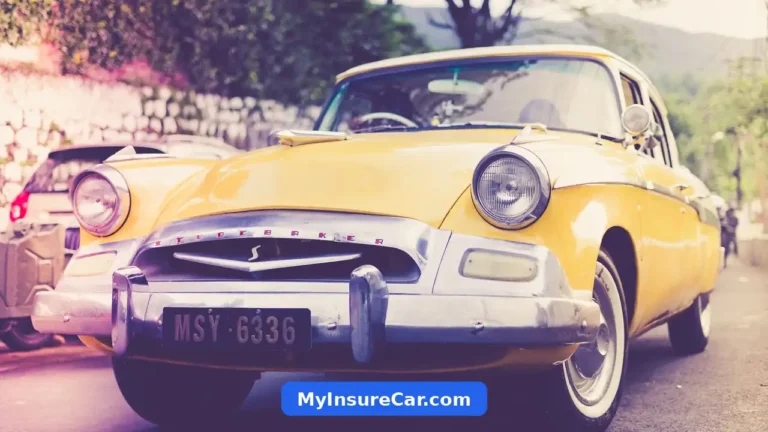
[…] You may interested: Can You Insure An Unregistered Car? […]
[…] You may interested: Can You Insure An Unregistered Car? […]
[…] if you’re driving an older car, check whether full coverage still makes sense. My guide on can you insure an unregistered car touches on situations where unusual coverage setups […]
[…] Also check: Can You Insure An Unregistered Car? […]
[…] Also Read: Can You Insure An Unregistered Car? […]
[…] Can You Insure an Unregistered Car? […]
[…] someone else can insure your car—but it’s not as simple as just handing over the keys. Whether you’re […]
[…] Learn more about handling these odd cases in my piece on insuring unregistered cars. […]
[…] Always run quotes directly – even a 5-year-old policy can become outdated fast. And if you’re driving something unique, like an unregistered project car, this resource might help. […]
[…] Estimated monthly mileageOnce you get a quote, look at both the base rate and per-mile rate. Some insurers charge higher base fees but lower mileage costs, which can matter if you occasionally take a long trip. For unique cases like insuring an unregistered vehicle, see this resource: Can you insure an unregistered car?. […]
[…] the same logic behind flexible plans in temporary car insurance options or coverage for older vehicles, why overpay when your car isn’t even being used […]
[…] usually easier than buying a normal annual policy. But don’t skip the details. Insurance is only good if it actually protects […]
[…] Can you insure a car that’s not registered yet? Yes, and here’s how: Can you insure an unregistered car. […]
[…] you’ve ever wondered whether insuring an unregistered car or buying temporary coverage makes sense, think of GAP insurance as its long-term counterpart […]