

Owning an older car can be a smart move. No car payments, lower repair costs, less worry about a scratch or ding. But insurance? That’s where people either overspend or unknowingly leave themselves exposed.
I’ve seen too many drivers carry full coverage on vehicles barely worth $2,000. Others strip their policy bare and end up paying out of pocket when something goes wrong. The goal is to protect what matters – without burning money on what doesn’t. This guide walks you through exactly how to do that.
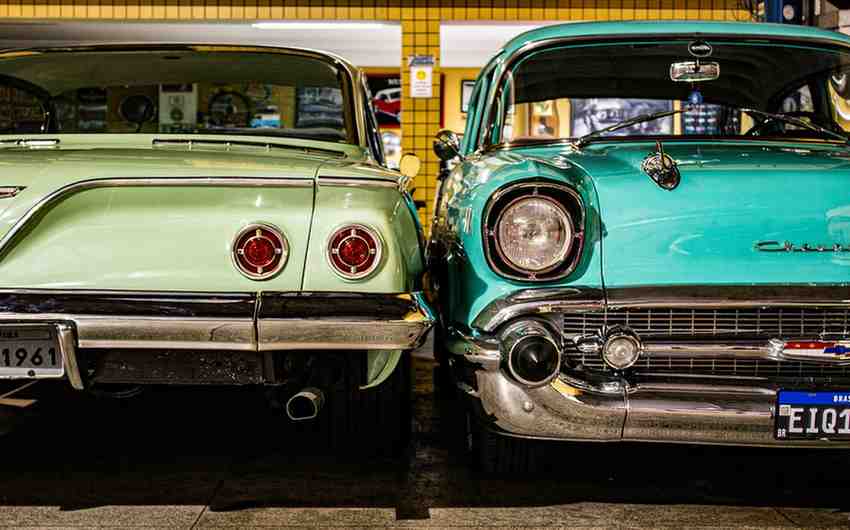
Why Insuring Older Cars Isn’t Like Insuring New Ones
Insuring a car that’s 10, 15, or 20 years old is a completely different game than insuring a brand-new vehicle. The main reason? Depreciation.
Insurance pays out based on a car’s actual cash value, not what you originally paid. So if your car’s only worth $1,800 and you’re paying $600 a year for full coverage, you’re probably throwing money away.
High-mileage cars also raise eyebrows for insurers. They’re more prone to breakdowns, which might not be covered by insurance but can increase your risk of accidents or claims.
When to Drop Full Coverage
There’s no one-size-fits-all answer, but here’s my general rule: if your car’s value is close to or less than the cost of your annual full coverage premium, it’s probably time to scale back.
Still unsure? Ask yourself:
- Could you afford to replace the car if it were totaled tomorrow?
- Are you only carrying full coverage out of habit?
- Have you gotten quotes for liability-only recently?
If you’re leaning toward dropping full coverage, consider reading this guide to liability-only car insurance to understand what that looks like in practice.
Best Ways to Get Cheap Insurance for Older Vehicles
Want to cut costs without sacrificing smart protection? Here’s how I help people do it every day:
- Get rid of collision and comprehensive if your car isn’t worth much
- Raise your deductible if you rarely file claims
- Ask about low mileage discounts if your old car is a weekend warrior
- Shop smaller insurers or regional companies – they often give better rates on aging cars
- Bundle your auto and home or multiple cars under one policy
A surprising number of insurers now also offer usage-based insurance. If you drive your older car sparingly, this can save you serious money.
Insurance for High-Mileage and Aging Vehicles: What to Expect
Once your odometer crosses 100,000 miles, some insurers get nervous. They might adjust premiums, reduce coverage limits, or deny certain add-ons. But that doesn’t mean you’re stuck.
Look for companies that specialize in older vehicles or offer flexible policies. Also, be clear about how you use the car – commuting 60 miles a day is very different from driving to the store twice a week.
If you’re not sure whether your usage qualifies you for special coverage, check out this piece on driving a company car without your own insurance – it highlights how usage really impacts your options.
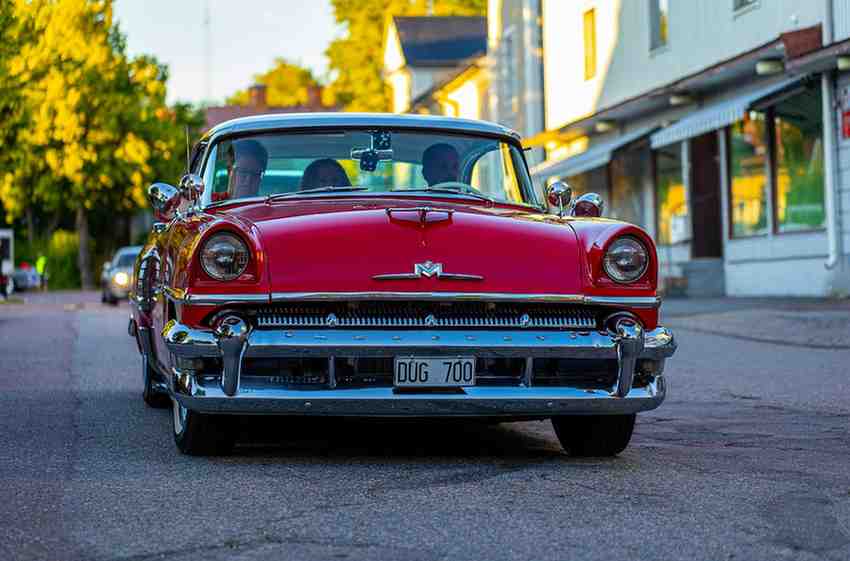
Classic vs Old: Know the Difference
Not every old car is a classic. But if you own a vintage model, even if it’s not showroom-perfect, you may qualify for low cost classic car insurance.
Classic policies often include:
- Agreed value coverage (not cash value)
- Mileage limits to keep rates low
- Restoration coverage for ongoing projects
If you’re unsure whether your car qualifies, check with specialty insurers like Hagerty or Grundy.
How to Compare Older Vehicle Insurance Quotes Like a Pro
Don’t just plug your info into one quote tool and call it a day. Here’s what I recommend:
- Get quotes from at least 3 companies, including one regional provider
- Compare liability limits and deductibles, not just price
- Ask about disappearing deductibles, accident forgiveness, and roadside coverage
You can also compare how policies treat unusual situations. For example, does the policy cover damage on private property? If not, you might want to read this important guide.
Companies That Offer Affordable Coverage for Old Cars
While rates vary by state, I’ve seen consistently good pricing from:
- GEICO (strong low-mileage discounts)
- Progressive (great bundling deals)
- Safeco and Erie (solid for older vehicles in regional markets)
Always run quotes directly – even a 5-year-old policy can become outdated fast. And if you’re driving something unique, like an unregistered project car, this resource might help.
Final Tips to Insure Your Old Car Cheap – Without Cutting Corners
Don’t get caught underinsured just to save a few bucks. Here’s what I tell clients all the time:
- Keep liability limits high enough to protect your assets
- Consider uninsured motorist coverage, especially if you’re in a high-risk area
- Use savings from dropping full coverage to beef up protection where it matters
If money’s tight, short-term policies like one-week car insurance can be a useful option while you shop around.
Conclusion: Be Smart, Not Barebones
You don’t need to throw money at your old car, but you do need to insure it smartly. Drop what you don’t need, keep what protects you, and always review your policy annually.
Got questions about your specific situation? I’ve probably seen it before. Take a few minutes to compare quotes, understand your actual risk, and get the peace of mind you deserve without overpaying.




[…] In my experience, DRP shops can be convenient because they’re familiar with insurer systems and often prioritize claim-linked repairs. But if you drive an older car or modified vehicle, an independent shop may be a better fit. To learn more about how coverage changes for older vehicles, check my guide on car insurance for older cars. […]
[…] Read moreCar Insurance for Older Cars […]