

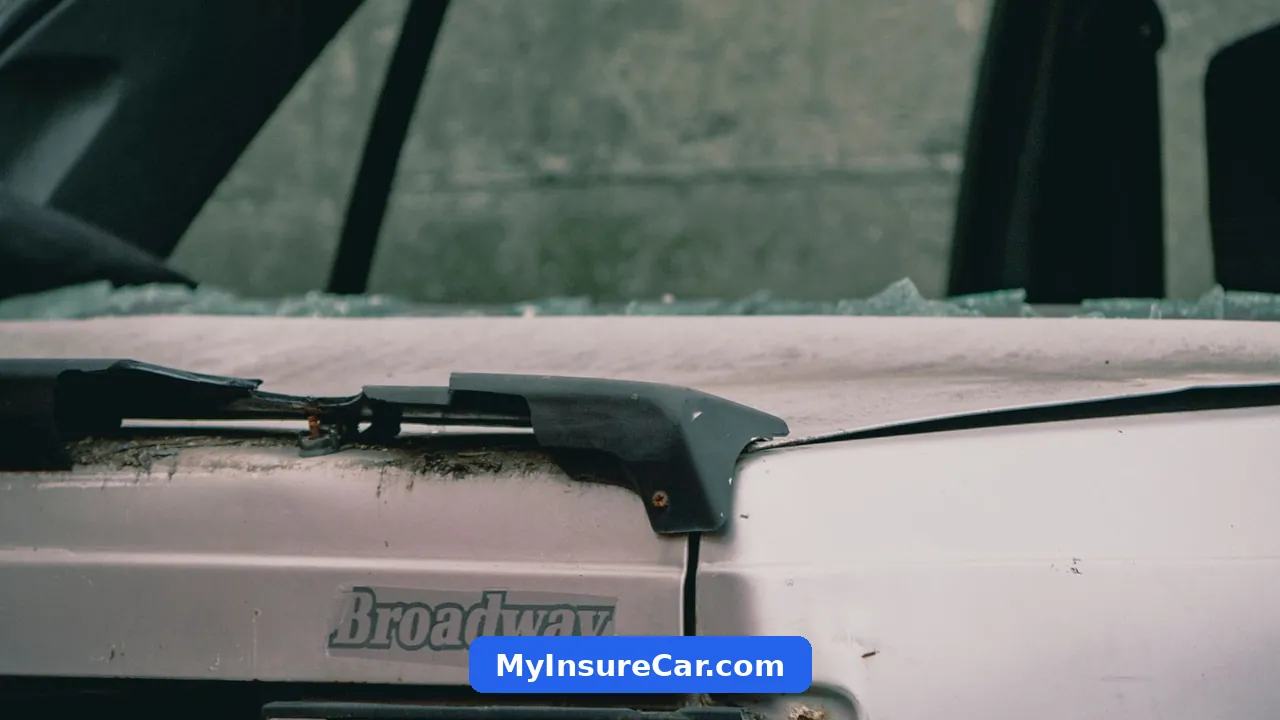
You walk out to your car in the morning, coffee in one hand, keys in the other, and you stop. The window is smashed. The paint is keyed down to the metal. The mirror hangs by a wire. Nothing was stolen. The damage is the whole point, and your first thought is probably: who does this to a car, and why mine?
That is vandalism, and it is one of the most frustrating claims a driver can face, because there is rarely anyone to blame and rarely a witness. You are probably thinking: I pay for insurance every month, so this must be covered. The good news is that it usually is, if you carry the right cover. The bad news is that many drivers do not, and only find out when they try to claim. So let us walk your morning from here: what counts, what pays, what you do in the first hours, and how you stop it happening again.
What counts as vandalism
Vandalism means deliberate damage to your car by someone else. Keyed paint, smashed windows, slashed tyres, broken mirrors, dented panels kicked in on purpose, and paint or glue thrown over the bodywork all count. The key word is deliberate. Damage caused by weather, animals, or normal wear is not vandalism, and it is handled under different parts of your policy. If this is you, standing in the car park wondering whether the cracked windscreen from last night’s storm counts, it does not. That is weather, and your claim goes down a different path.
Theft is different from vandalism, even though the two often happen together. If someone breaks your window and steals your stereo, the broken window is vandalism and the missing stereo is theft. Both are normally covered by the same part of your policy, but the insurer may treat them as separate items when it writes the estimate. Tell the insurer about both, and list every damaged or missing item. Fire damage is a separate peril with its own process, which our guide to car fire cover explains.
One common confusion is the catalytic converter. If someone cuts it out and steals it, that is theft, not vandalism. If someone damages your exhaust while trying and failing to steal it, that damage is vandalism. The distinction matters less than you might think, because both are usually covered by comprehensive cover, but describe the damage accurately when you report it. And what decides whether any of it gets paid is the cover you already carry.
Comprehensive cover pays for vandalism
Vandalism is paid by comprehensive cover, not by collision or liability cover. Comprehensive covers damage to your car from events that are not a collision: theft, fire, falling objects, animal strikes, storms, and vandalism. If you carry only liability cover, vandalism is not covered at all, and you pay for the repair yourself. You are probably thinking: I have full cover, so I am fine. Check, because full cover means different things to different people, and liability only is the cover most drivers actually carry when they think they are fully covered.
Your excess applies. If the repair costs less than your excess, claiming makes no sense. If the repair costs far more, claiming is usually right. Before you claim, get a rough repair quote, so you can compare it with your excess and the likely effect on your next premium. A vandalism claim is usually treated as not at fault, which means it should have a smaller effect on your premium than an at fault accident, but it is not always zero.
This is where the difference between comprehensive and collision cover matters. Collision pays when your car hits something or is hit by another vehicle. Comprehensive pays for almost everything else. If you are not sure which cover you carry, read your declarations page before you need it, not after, because after is when the answer costs you money.
Filing a vandalism claim, step by step
Start by calling the police. A police report is not a formality. Insurers expect one for vandalism, and without it your claim can be delayed or denied. Give the police the facts, the location, and the time window. Ask for the report number and keep it.
Next, photograph everything before you touch the car. Photograph each damaged area close up, then take wide shots that show where the car was parked. If glass is broken, photograph the glass on the ground as well as the window. If paint is damaged, photograph it in daylight if you can. Do not clean anything until you have the photos, because the mess is your evidence.
Then report the claim to your insurer, and give it the police report number. The insurer will arrange an inspection or ask you to upload photos. Get a repair estimate from a shop you trust, and keep every receipt. Our guide to filing a claim properly walks through the next steps in order.
What vandalism repairs actually cost
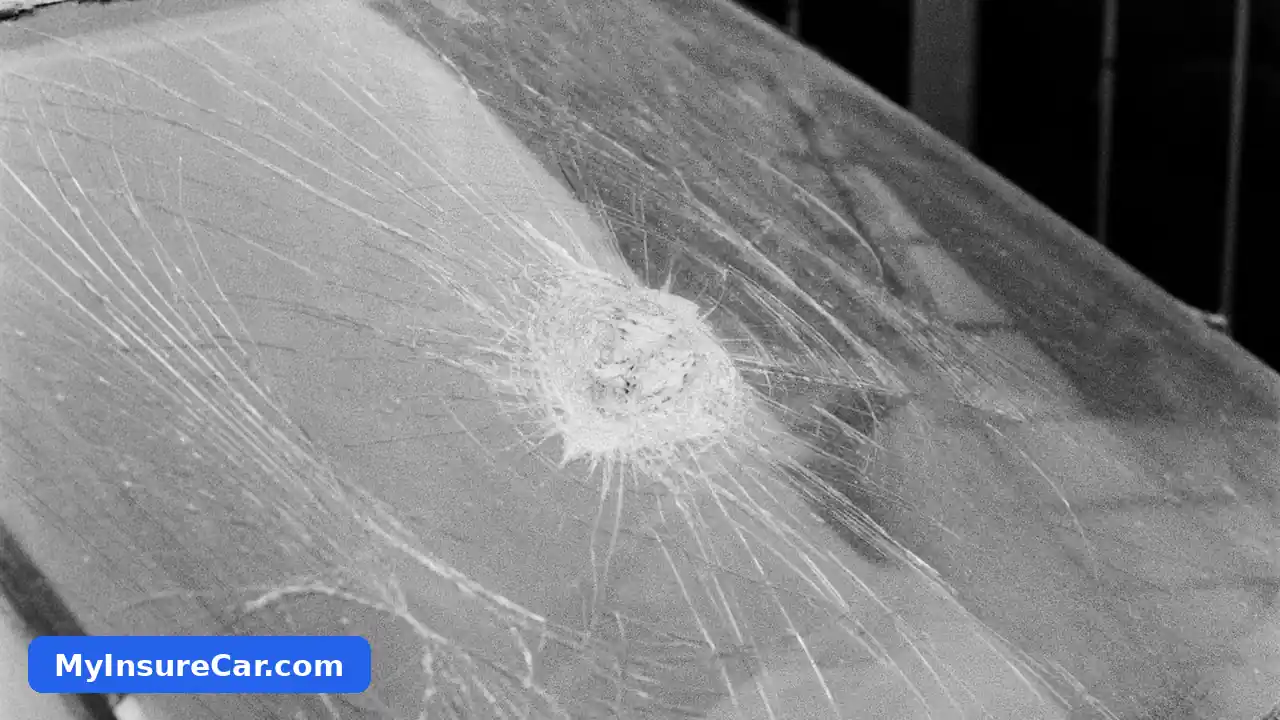
The repair bill follows how deep the damage goes. A key mark confined to the clear coat typically costs $150 to $300 to polish out. A scratch into the color coat runs $400 to $1,000 on one panel. A scratch that exposes primer, bare metal, or plastic costs about $800 to $1,500 per panel, and a key mark crossing several panels can reach $2,000 to $5,000 or more, especially with metallic or pearl paint. A broken window typically costs $200 to $800 to replace.
Run those numbers against your deductible before you call. If your deductible is $500 and the repair is $450, there is no claim worth filing, and paying out of pocket keeps your claims history clean. If the repair is $2,000, the claim is clearly worth it. Get the estimate first, then decide, because the estimate is the number that makes the decision for you. Our guide to how deductibles affect car insurance costs explains the deductible maths in full, and our guide to whether car insurance covers windshield replacement covers the glass side of the same claim.
What comprehensive cover costs
Comprehensive cover is usually one of the cheaper parts of a policy, because vandalism and similar claims are less frequent than collisions. The price depends on where the car is parked overnight, the car’s value, and the excess you choose. A car parked on a quiet driveway costs less to cover than the same car parked on a street with frequent vandalism, and that is the price of your own street showing up in your premium.
Raising your excess lowers your premium, but it also raises the amount you pay out of pocket when you claim. If your excess is higher than the cost of a typical vandalism repair, the cover is of little use for minor damage. Choose an excess you could actually pay tomorrow, not one that only looks good on the quote. You are probably thinking: a higher excess saved me money all year. It did, until the morning you need it.
There is a related question worth asking: what does comprehensive insurance mean for your specific car? On an older car with a low market value, comprehensive cover can cost more than it is worth, because the insurer will never pay more than the car’s value. The Insurance Information Institute explains what a basic policy covers. But even with the right cover, claims get denied, and the reasons are almost always the same four.
A vandalism claim still lands on your record
A vandalism claim is usually treated as not at fault, so one claim rarely moves your premium much. But it still goes on your CLUE report, the claims history insurers share, and a pattern of comprehensive claims can invite questions at renewal. Several claims in a short period suggest the car is parked somewhere risky, and the insurer may price that in. That is the real reason to pay small repairs out of pocket when the bill is below your deductible: not just to save the deductible, but to keep the record clean.
The same logic applies the other way. If the damage is extensive, do not let the fear of a premium increase stop you claiming, because a $3,000 repair is worth far more than any small premium rise a not-at-fault claim might cause. Compare the repair estimate with your deductible, and let the numbers decide. Our guide to how long a car insurance claim takes sets out the timeline once you file, and our guide to what happens after a car insurance claim walks through the settlement that follows.
When a vandalism claim gets denied
Denials usually come down to one of four reasons. The first is that you do not carry comprehensive cover. The second is that there is no police report. The third is that the damage is really wear and tear, or damage you caused, rather than vandalism. The fourth is that you reported the claim so late that the insurer cannot verify what happened. If this is you, reading this a week after the damage with no police report and no photos, your claim is already uphill.
If your claim is denied, ask for the reason in writing, and check it against your policy wording. If you disagree, gather your photos, your police report, and your repair estimate, and ask for a review. If the review does not change the outcome, you can complain to your state insurance department.
One trap to avoid: do not exaggerate the damage. Adding a dent that was already there, or claiming for a scratch that predates the incident, is fraud, and insurers check. A claim that is partly dishonest can be denied in full. Once your claim is sorted, the next question is how you stop this happening again, because the second time hurts more than the first.
Preventing vandalism
Nothing makes your car vandal proof, but a few habits reduce your risk. Park in a well lit place, ideally where other people pass. If you have a garage, use it. Do not leave bags, boxes, or anything that looks valuable visible in your car. A car that looks empty is a less tempting target than a car with a laptop bag on the seat.
A dash camera that records while parked can deter vandals and, more usefully, can identify them. If you install one, make sure it is legal in your state and that you understand how long it records. A camera does not prevent every incident, but footage of the act is the strongest evidence you can hand to the police and the insurer.
Consider where you park overnight, not just where you park at work. A car left on a dark street every night is at more risk than the same car parked in a driveway with a light over it. If you move house, tell your insurer about your new parking situation. It can change your premium, sometimes for the better. Your parking spot is part of your premium, whether you chose it or not.
Frequently Asked Questions
Does car insurance cover vandalism?
Yes, if you carry comprehensive cover. Vandalism is paid by comprehensive cover, not by collision or liability cover. Your excess applies, and you should file a police report before you claim.
What does comprehensive insurance mean?
Comprehensive cover pays for damage to your car from events that are not a collision, such as theft, fire, storms, animal strikes, and vandalism. It does not cover damage from a collision with another vehicle or object.
Should I file a police report for vandalism?
Yes. Insurers expect a police report for vandalism, and without one your claim can be delayed or denied. Ask the police for the report number and give it to your insurer.
Will a vandalism claim raise my premium?
Vandalism is usually treated as a not at fault claim for you, so the effect is smaller than an at fault accident. It is not always zero, so compare your repair cost with your excess before you claim.
Is a smashed window covered if nothing was stolen?
Yes, if you carry comprehensive cover. A smashed window is vandalism whether or not anything was stolen. Photograph your damage and file a police report before you arrange repairs.
Vandalism is infuriating, but it is also one of the simpler claims to handle. So here is your move this morning: call the police, photograph everything, then check whether you carry comprehensive cover before you pay for repairs. If you do, your claim is usually straightforward. If you do not, the repair is on you. If your claim is disputed, your state insurance department can explain your options.
This guide is general education, not professional insurance advice, so confirm the details in your own policy and with a licensed insurance professional before you act. Full disclaimer

[…] done during a break-in often overlaps with vandalism cover. The page on whether car insurance covers vandalism explains how the two types of claim […]
[…] deliberately set fire to your car, that falls under a different part of your policy. The page on whether car insurance covers vandalism explains how malicious damage claims […]