

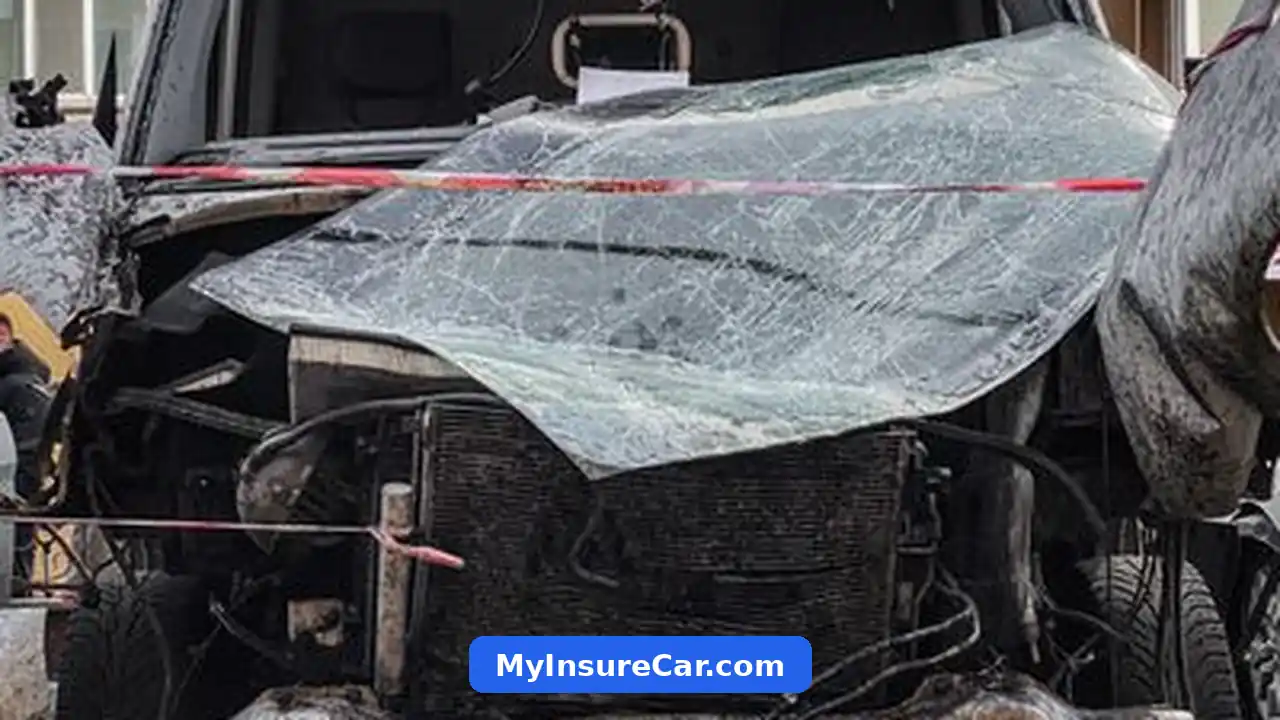
The other driver is already out of the car, saying he has no insurance. No insurance. Your bumper is crushed, your neck is starting to ache, and the police officer is writing it all down while you think: who pays for this? About one driver in seven has no insurance at all, and today that driver found you. Your own policy is the only thing standing between you and the bill.
That is what uninsured motorist coverage is for. It pays for your injuries, and in some states your property damage, when the driver who caused the crash cannot pay because they have no insurance. It also covers hit-and-run crashes, where the other driver is never found. So do you actually have it? If this is you: you bought “full coverage” and assumed that meant everything, check your declarations page today. This page tells you what the cover does for you, how much of it you need, and how to check whether you already have it.
What uninsured motorist coverage is
Uninsured motorist coverage, usually shortened to UM, is a part of your own auto policy that pays when an uninsured driver hurts you or damages your car. You buy it from your insurer, and you claim on it when someone else’s lack of insurance leaves you with a bill. You are probably thinking: so I pay to protect myself from people who pay nothing? Yes. That unfair feeling is exactly why this cover exists.
It comes in two parts. UM bodily injury pays your medical bills, lost wages, and pain and suffering after a crash caused by an uninsured driver. UM property damage pays to repair or replace your car. Not every state sells both parts. Some states sell only the bodily injury part, and a few do not sell UM at all.
Underinsured motorist coverage, or UIM, is the sibling. It applies when the other driver has insurance, but not enough to cover your losses. If your injuries cost more than their liability limit, UIM pays the difference up to your limit. UM and UIM are usually sold together. Buy them together.
What it pays for
Start with the medical side, because that is where the money goes. A hospital visit after a serious crash can cost tens of thousands. If the at-fault driver has no insurance and no assets, there is nobody to bill except you. UM bodily injury steps in and pays those bills, up to your chosen limit. Part of you assumes your health insurance will handle it. It pays the hospital. It does not pay your lost wages, or the weeks you cannot work.
Lost wages count too. If your injuries keep you off work for weeks, UM can replace part of that income. Pain and suffering is also covered in most policies, and it is often the largest part of a serious injury claim.
Property damage is narrower. In states that sell UM property damage, it pays for your car. Where it is not sold, your collision cover handles the car instead. Know which one applies in your state before you assume the car is covered.
Passengers are covered as well. If your family is in the car when an uninsured driver hits you, their injuries are covered under your UM bodily injury limits. That is one of the strongest reasons to carry limits matching your liability cover, not the state minimum.
When you actually need it
You need it most when the other driver has nothing. Uninsured rates run high in several states, and they rise when the economy weakens.
Hit-and-run crashes are the second case. If the other driver leaves the scene and is never identified, there is no insurer to claim against. UM treats the phantom driver as uninsured, and your claim goes to your own insurer. If this is you: you woke up to a smashed bumper and no note, your UM claim starts with the police report, and the hit-and-run accident insurance steps page explains what to do in the first hours after such a crash, including the police report most insurers require.
The third is the pedestrian and cyclist case. UM covers you if an uninsured driver hits you while you are walking or cycling, not just driving. It makes UM one of the few covers that protects you when you are not in your car.

State rules
About twenty states require UM coverage. Others require insurers to offer it, and you must reject it in writing. A few leave it entirely optional. The rules change at state lines, so a policy right in one state may be wrong in the next.
Stacking is another state-level question. In stacking states, you can combine the UM limits from two cars on one policy, doubling your protection. In non-stacking states, you cannot. Stacking costs a little extra and is worth it in most cases, because it doubles the limit that matters most.
Check your declarations page to see what you actually carry. You may assume you have UM because you have “full coverage”. Full coverage is not a single product, and it does not always include UM. If your declarations page does not list UM, you do not have it.
How much to carry
Match UM to your liability limits. If you carry 100,000 dollars per person and 300,000 per accident in liability, carry the same in UM. You are protecting yourself from a driver with nothing. Your own protection should be at least as strong as the protection you give strangers.
Minimum UM limits are cheap, and nearly useless after a serious crash. A hospital bill can pass 25,000 dollars in a single night. A minimum policy paying 25,000 leaves you carrying the rest. The jump from minimum to sensible limits usually costs very little per month.
If you have health insurance, it covers some medical costs, but not lost wages or pain and suffering. If you carry passengers often, or drive where uninsured rates are high, the case for higher limits is stronger still. You already know the answer if your kids ride with you every day: your limits should protect them too. Check the Insurance Information Institute’s uninsured motorist briefing, which lays out how the cover works across states.
How a UM claim actually works
You report the crash to your own insurer, like any other claim. Your insurer then tries to confirm the other driver was uninsured or cannot be found. That takes time, because it means checking with the other driver’s supposed insurer and, in hit-and-run cases, waiting for the police report.
Cooperate promptly. Give your insurer the police report number, the other driver’s details, and your medical records. Delays in paperwork are the most common reason UM claims stall. It has to prove the other driver was uninsured before it can pay.
If the uninsured driver is later found with assets, your insurer can pursue them to recover what it paid. That process is called subrogation. You do not wait for it. Your claim pays first, and the insurer chases reimbursement separately.
UM, collision, and medical cover compared
You may confuse UM with collision. Collision pays to repair your car regardless of fault, minus your deductible. UM pays for injuries and damage caused specifically by an uninsured or hit-and-run driver. They overlap on the car, but UM is the only one that covers your injuries in that scenario.
MedPay and personal injury protection, known as PIP, also pay medical bills after a crash. They pay regardless of who caused it, and they pay quickly. UM pays when the other driver was at fault and uninsured. The three covers complement each other. Read the MedPay versus PIP comparison to see how the medical side fits together.
For the cover that handles your car after any crash, including one you caused, see the comprehensive versus collision insurance comparison. Knowing which cover does what keeps you from paying twice for the same protection.
Myths worth dropping
Myth one: UM is only for bad neighbourhoods. Uninsured drivers exist everywhere, and they hit careful drivers like you on good roads.
Myth two: claiming on UM will raise your rates like an at-fault claim. In most states, a not-at-fault UM claim does not raise your premium like an at-fault claim does. Do not skip a claim out of fear.
Myth three: your health insurance makes UM unnecessary. Health insurance covers medical bills. It does not cover lost wages, pain and suffering, or passengers, and it does not fix your car. UM fills gaps health insurance never touches.
Myth four: the other driver will pay out of pocket. A driver who cannot afford insurance usually cannot afford your hospital bill either. Chasing them personally is slow, expensive, and often pointless. UM exists because that chase so rarely works.
Frequently Asked Questions
Is uninsured motorist coverage the same as collision coverage?
No. Collision pays to repair your car regardless of fault, minus your deductible. UM pays for your injuries and damage caused specifically by an uninsured or hit-and-run driver, and its bodily injury portion has no collision equivalent for you.
Can I use UM coverage if I am at fault?
No. UM only applies when an uninsured or unidentified driver caused the crash. If you caused it, your own liability covers the other party and your collision or health cover handles your side.
What if the uninsured driver is found later and has assets?
Your insurer can pursue them to recover what it paid, a process called subrogation. You do not wait for that outcome. Your UM claim pays first and the insurer chases reimbursement separately.
How much uninsured motorist coverage do I need?
Match it to your liability limits. If you carry 100,000 dollars per person and 300,000 per accident in liability, carry the same in UM for yourself. In states that allow stacking, combining limits across your vehicles adds meaningful protection for you for a modest extra cost.
Does uninsured motorist coverage apply to hit-and-run accidents?
Yes, in most states. A hit-and-run driver counts as uninsured for UM purposes. You should report it to police promptly, since insurers usually require a police report for your hit-and-run UM claim.
An uninsured driver could hit you tomorrow, and your own policy is the only safety net you control. Match your UM to your liability limits, buy UIM with it, and check your declarations page today. The National Association of Insurance Commissioners publishes the state-by-state research behind it.


[…] things to handle alongside: uninsured motorist coverage is cheap and protects you when the other driver has nothing, and it pairs naturally with […]