

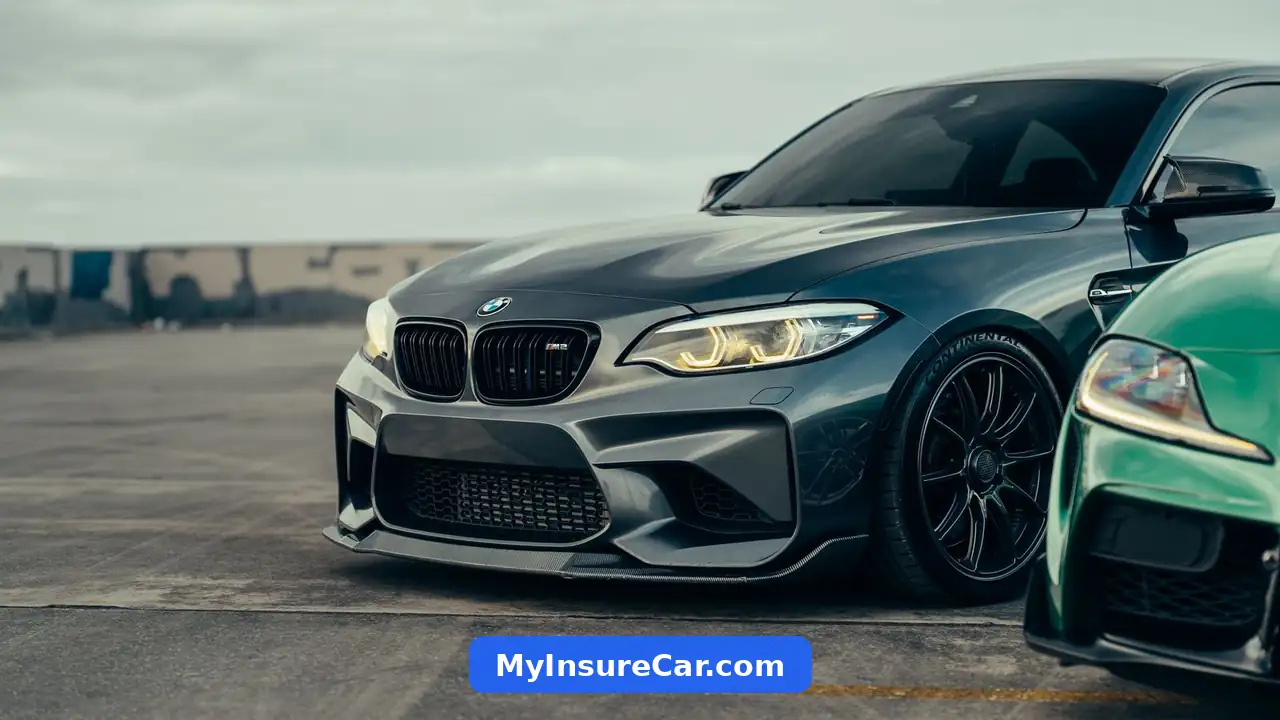
You got a quote for your car, then your neighbour mentioned what he pays for his, and your jaw dropped. His car cost about the same as yours, but his premium is hundreds less. You are probably thinking: what did I do wrong? Nothing. Insurers price your exact make and model on data about crashes, repairs, and theft, and some cars simply generate bigger bills than others.
So here is which cars insurers love, which ones they quietly charge extra for, and how to use that knowledge before you sign for your next car, so the premium never ambushes you afterwards. And there is one myth in here that most buyers still believe, which we will clear up for you.
Safety ratings
A car that protects you well generates fewer and smaller injury claims. Insurers reward that with lower premiums, which is why a five-star rated family saloon often costs you less to insure than a similarly priced car with a mediocre crash record. Before you buy, ask yourself: would I rather pay for the badge, or for the crash test result?
Modern driver assistance tech, automatic emergency braking and blind spot monitoring, cuts your crash frequency too. These systems also reduce the low-speed parking and junction bumps that drive up claim counts for your model.
NHTSA publishes the ratings insurers watch. You can check any car in the NHTSA safety ratings before you buy, and choosing a highly rated car is one of the few choices that improves both your safety and your premium.
Repair costs
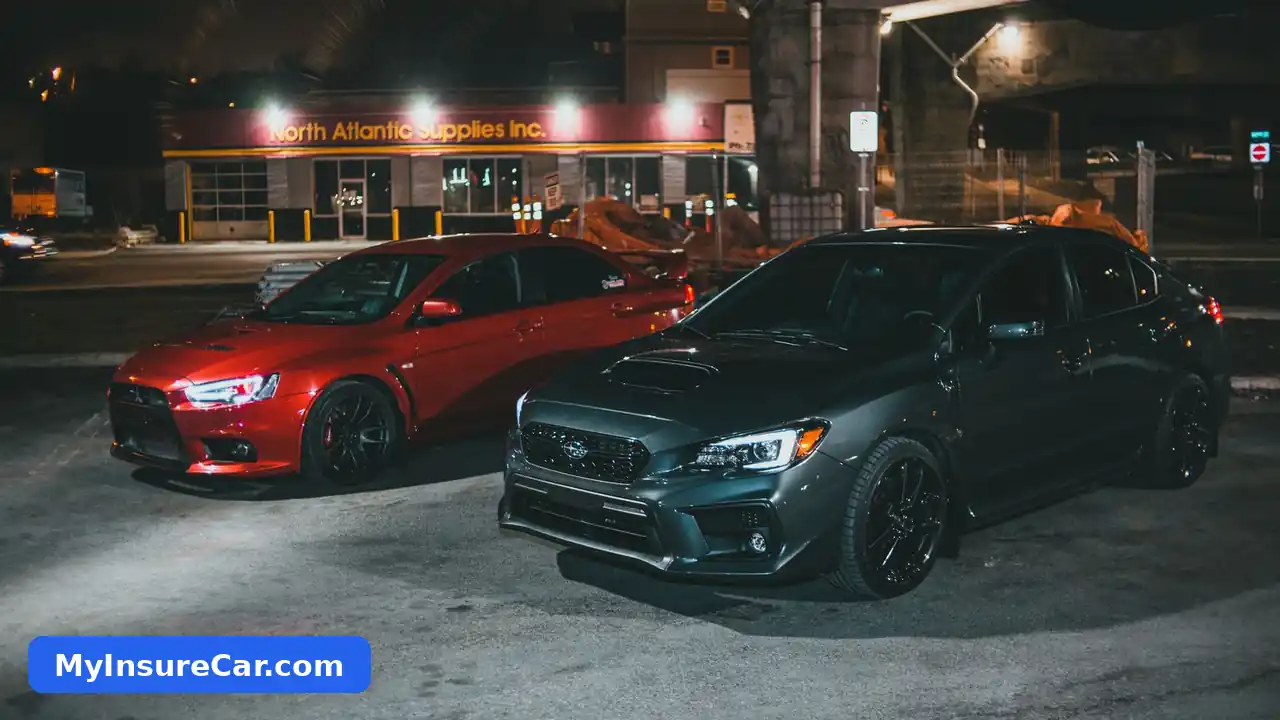
When your car is damaged, someone pays for parts and labour. Luxury brands, imports with scarce parts, and cars built with aluminium body panels all cost more to fix, and insurers pass that straight through to you. Here is what that looks like in real life: your car sits in the body shop for three weeks waiting on one imported panel, while your hire car bill climbs and your insurer counts every day of it.
This is one reason electric vehicles often cost more to insure: battery packs are expensive and only certain shops can handle them. Across the board, repair costs have been climbing, so the gap between cheap-to-fix and expensive-to-fix cars keeps widening, and you pay it.
Mainstream models from high-volume brands sit at the cheap end. Parts are everywhere, any body shop can fit them, and repair times are short. That is a large part of why ordinary cars cost you less to insure than rare or exotic ones.
Theft rates
Insurers track which models get stolen most. A commonly stolen car costs you more to insure even if you park in a garage, because the rate reflects your model’s overall theft record. If this is you, the owner of a popular pickup who assumed an old car would be cheap to cover, that one fact is why your renewal keeps surprising you.
Older pickups and popular saloons have topped these lists for years. Before you buy, check whether the model you want has a theft problem that will follow you into every renewal. That one check takes two minutes and can save you hundreds a year.
Engine size and performance
Powerful engines correlate with speeding tickets and severe crashes in insurer data. A V8 muscle car or a turbocharged sports car signals higher risk, and your premium reflects it. Part of you wants the power anyway, and that is fair enough, just know you are paying for it twice: once at the pump, once at renewal.
Modest four-cylinder engines in mainstream cars sit at the opposite end. They are cheaper for you to buy, cheaper to fuel, and cheaper to insure, which is three wins for the price of one sensible decision.
Are older cars cheaper to insure
Often, but not always. Depreciation lowers your comprehensive and collision costs, because there is less value to protect. That is the part of the saving you probably expect.
But a very old car can push your premium back up. Parts get scarce, safety tech is absent, and some older models carry high theft rates. A fifteen-year-old car with poor crash ratings and a strong theft record can cost you more to insure than a three-year-old mainstream saloon.
Your sweet spot is often a car a few years old: depreciated enough to keep your comprehensive costs sane, modern enough to have decent safety equipment and available parts. If this is you, shopping for a three-year-old mainstream saloon and wondering whether you are getting a good deal, quote the specific car rather than assuming age alone decides your price.
The cheapest and dearest cars to insure, in numbers
Insure.com’s 2026 figures for a 40-year-old driver with good credit and a clean record, on 100/300/100 cover with a $500 deductible, show how wide the gap is between equally popular cars. The cheapest to insure are the Subaru Crosstrek at $2,299 a year, the Outback at $2,322, the Forester at $2,377, and the Honda CR-V at $2,401. The most expensive best-sellers are the Tesla Model 3 at $3,871 and the Model Y at $3,836. The gap between a Crosstrek and a Model 3 is more than $1,500 a year, every year you own the car.
What the numbers reward is not luxury or size but repair cost, theft record, and claims history. The cheapest cars are mainstream models with cheap parts, any-shop repairs, and low theft rates. The dearest are cars with expensive parts, specialist repair networks, or high claim frequency. Before you buy, quote the exact trim, because two trims of the same model can price very differently. Our guide to insurance for electric vehicles explains why the Model 3 costs what it does, and our guide to what affects car insurance cost the most covers the rating factors beyond the car.
How insurers turn all this into your price
Every insurer maintains its own loss data by make, model, and trim. When you request a quote, the vehicle identification number tells them exactly which car you mean, and their tables supply your expected claim costs. That is why the quote form asks for your VIN before anything else: it is not paperwork, it is the key to your price.
Two trims of the same model can price differently. The sport trim with bigger wheels and a turbo can cost notably more than the base trim, even though they share a nameplate. Always quote the exact trim you plan to buy.
Colour, despite the persistent myth, does not matter. Insurers do not ask about paint and do not price it. A red car costs you the same to insure as a white one, all else equal. You already suspected the red car myth was nonsense. It is, so buy the colour you like and ignore the folklore.
The Insurance Information Institute explains how vehicle characteristics sit alongside your age, location, and driving record in its breakdown of auto insurance pricing factors.
Modifications raise the price
Aftermarket modifications, tuned engines, lowered suspension, custom bodywork, push your premium up for two reasons. They increase your car’s value and repair cost, and they signal to insurers that your car is driven hard. Some insurers will not cover a heavily modified car at all on a standard policy.
If you have modified your car, declare it. Undeclared modifications can void a claim, because the insurer priced a different car than the one that crashed. Specialist modified-car policies exist and are cheaper than the penalty for hiding the work.
Your driving profile still matters most
The car sets the baseline, but your record moves the final number more than any vehicle factor. You, with a clean record in a sports car, can pay less than a driver with two at-fault accidents in a sensible saloon. You are probably thinking: so the car does not matter at all? It does, but you matter more. Insurers weight your personal claims history heavily, because your past behaviour predicts your future claims better than any car specification.
Age, location, annual mileage, and credit-based insurance scores, where states allow them, all layer on top of the vehicle factors. This is actually good news: you cannot change your car’s theft statistics, but you can change your driving record, your mileage, and your deductible.
Car insurance for a paid off car
Once a car is paid off, one decision changes. You are no longer required by a lender to carry collision and comprehensive cover, so you can weigh the premium against the car’s value and drop cover that costs more than it is worth.
That does not mean dropping cover automatically. If your car is still worth several thousand dollars and you could not replace it from savings, keeping collision and comprehensive usually makes sense. If it is worth very little, liability-only cover may be the rational choice. Your maths, not the payoff date, should decide, because you are the one who has to replace the car if it is gone.
For a broader view of what moves your price beyond the car itself, our guide to what affects car insurance cost the most covers driving record, mileage, and location alongside vehicle factors.
The EV surcharge, in numbers
Electric cars cost more to insure than gasoline cars, and the gap is measurable. Insurify’s 2026 figures put the average EV at $3,159 a year for full coverage, against $2,218 for a gasoline car, about 42 percent more. The reasons are the ones this post already names: battery packs are expensive, only certain shops can repair them, and parts take longer to arrive. A longer repair means a longer rental car bill, and the insurer counts every day of it.
The gap is narrowing as EV prices fall and repair networks grow, and it varies enormously by model. A mass-market EV with a big repair network can be cheaper to insure than a rare gasoline sports car. The premium is not a fixed EV tax, it is a repair-cost tax, and the model you pick decides how much of it you pay. Quote the exact car before you sign, because the spread between the cheapest and dearest EV quote is often larger than for gasoline cars. Our guide to insurance for electric vehicles explains the EV-specific risks in full, and our guide to common EV insurance myths against the facts separates the battery stories that are true from the ones that are not.
What to do before you buy
Get an insurance quote before you sign anything, not after. It takes ten minutes online and it is the only way to know the true cost of owning your car. You may discover that the deal on a sports car evaporates once the premium is added.
Compare a few sensible alternatives in the same price range. A mainstream saloon with top safety scores will almost always beat a performance car or luxury badge on your insurance, often by hundreds a year. That saving repeats every single year you own the car.
If your quote comes back higher than expected, there are levers you can pull. Our guide to proven tips to lower car insurance premiums fast covers the ones that work without cutting cover you need.
It is also worth checking the discounts you already qualify for. The best car insurance discounts most drivers miss include several that apply to you automatically once you ask.
Frequently Asked Questions
What type of car is cheapest to insure?
Look for a mid-size saloon a few years old, with strong safety ratings, a modest engine, and cheap widely available parts. Mainstream models from high-volume brands tend to price best for you because repair data is favourable.
Are sports cars always expensive to insure?
Almost always, yes. High horsepower correlates with more severe crashes in insurer data, and sports cars also cost more to repair. Even a used sports car can carry a new-car-sized premium.
Does a car’s safety rating actually lower insurance?
Yes. Top crash-test ratings mean fewer and less severe injury claims for your car, which insurers reward directly. Advanced driver assistance features like automatic braking help you too.
Are older cars cheaper to insure?
Often, but not always. Depreciation lowers comprehensive and collision costs, but scarce parts, poor safety ratings, and high theft rates can push some older models back up. Quote the specific car rather than assuming.
Should I check insurance costs before buying a car?
Yes. A quick quote on your exact trim takes minutes and can reveal hundreds in annual difference between similar cars. It is one of the highest-value ten minutes in your car buying.
So here is where your choice lands. Cars are cheap or expensive to insure for reasons you can see coming: safety ratings, repair costs, theft records, and horsepower. None of it is mysterious once you know what insurers measure. Before you sign for your next car, get a quote on the exact trim, compare it with one sensible alternative, and let the insurance maths have its say alongside the sticker price.
This guide is general education, not professional insurance advice, so confirm the details in your own policy and with a licensed insurance professional before you act. Full disclaimer



[…] If you replace the totaled car with a new or used vehicle, you must add it to your policy immediately.Insurers typically allow a short grace window for newly acquired vehicles, but limits vary. Coverage level during this period may default to existing limits, which may not match lender requirements.If cost is a concern during replacement, understanding vehicle insurance cost differences helps. This guide explains why some cars are cheaper to insure: https://myinsurecar.com/why-some-cars-are-cheaper-to-insure-than-others/ […]
[…] Lowering coverage limits can reduce premiums, but it increases financial risk. Minimum coverage may meet legal requirements but leave you exposed.Strategic adjustments work better than aggressive cuts. Raising deductibles or removing optional coverages on low-value vehicles often reduces premiums without legal risk.Understanding vehicle risk profiles helps make smarter decisions. This article explains why some cars cost less to insure: https://myinsurecar.com/why-some-cars-are-cheaper-to-insure-than-others/ […]
[…] insurance is not part of full coverage. Full coverage usually refers to liability, collision, and comprehensive insurance. Gap insurance is an optional add-on that only applies in total loss situations. Without collision […]
[…] with unusual risk profiles cost more to insure across the board. Our article on why some cars are cheaper to insure than others explains the rating logic insurers […]
[…] car you drive during the restriction matters too. Our guide to why some cars cost less to insure can help you pick a vehicle that keeps the inflated premium as low as possible. And resist the […]
[…] quotes while still insured. Never cancel first. Compare at least three insurers on identical cover. Understanding why some cars cost less to insure helps you judge whether a quote makes sense for your […]