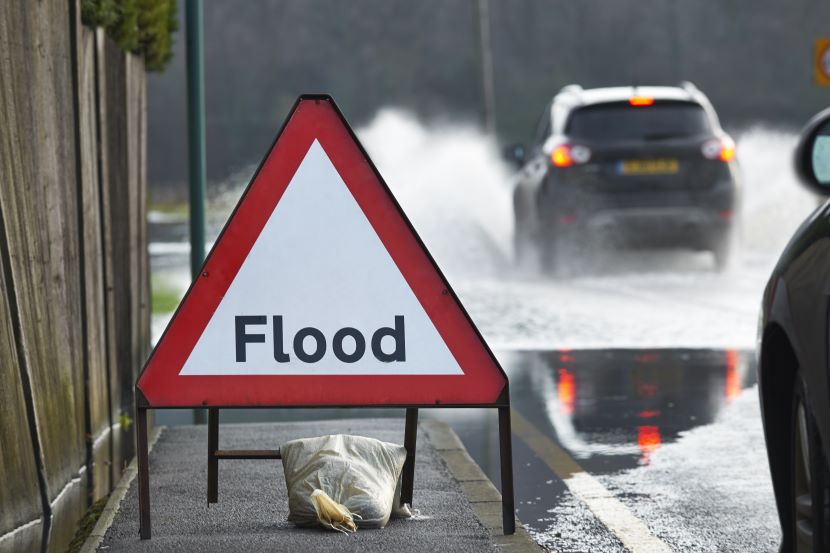
If your car has been damaged by floodwaters, you’re likely wondering: does car insurance cover flood damage? The short answer is yes, but only if you have the right type of coverage. Most standard auto insurance policies exclude flood-related damage unless you’ve specifically added comprehensive coverage. Without it, you could be left paying out of pocket for repairs or even a total loss.
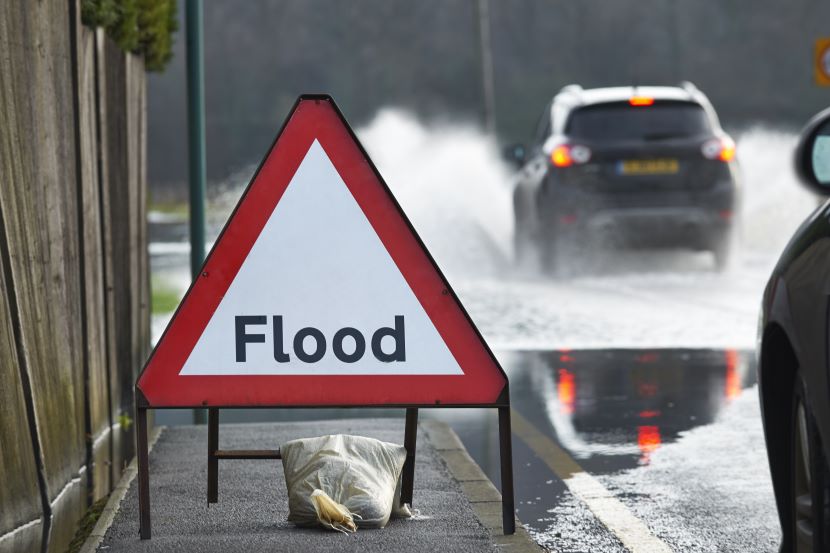
Flood damage is one of the most common yet misunderstood risks drivers face, especially in low-lying areas or regions prone to heavy rainfall and hurricanes. While liability and collision coverage won’t help when rising waters ruin your engine or short-circuit your electronics, comprehensive insurance typically does. This article breaks down exactly what’s covered, what isn’t, and how to protect your vehicle before disaster strikes.
What Is Comprehensive Car Insurance?
Comprehensive coverage is an optional part of your auto insurance policy that protects your vehicle from non-collision events. Unlike liability insurance (which covers damage you cause to others) or collision coverage (which covers crashes), comprehensive steps in when your car is damaged by things like theft, vandalism, falling objects, and yes, floods.
This coverage is often grouped with collision under “full coverage” policies, though the term isn’t legally defined. It’s important to note that comprehensive doesn’t automatically come with basic liability plans. You must add it separately, usually for an additional monthly or annual premium.
Because flood damage falls outside the scope of typical accidents, it’s classified as a “comprehensive peril.” That means unless you’ve opted into this protection, your insurer won’t pay for waterlogged seats, ruined wiring, or engine failure caused by submersion.
Does Comprehensive Coverage Actually Pay for Flood Damage?
Yes, comprehensive car insurance generally covers flood damage, including both partial and total losses. If rising water enters your vehicle and causes mechanical, electrical, or interior damage, your insurer should reimburse you up to your policy’s limits, minus your deductible.
For example, if a flash flood submerges your parked car up to the dashboard, comprehensive coverage may pay for:
- Engine and transmission repairs (if not severely compromised)
- Replacement of soaked upholstery and carpeting
- Cleaning or replacement of electrical systems
- Towing and storage fees
- Salvage value if the car is declared a total loss
However, there are important caveats. Insurers may deny claims if they determine the damage resulted from driver negligence, such as intentionally driving into deep water during a storm warning. Always check your policy wording and act responsibly during weather emergencies.
What Types of Flood Damage Are Covered?
Not all water-related incidents are treated equally. Insurance companies distinguish between different sources of water intrusion, and this affects whether your claim will be approved.
Natural Flooding Events
Damage caused by natural disasters like hurricanes, storm surges, river overflows, or heavy rainfall that leads to standing water is typically covered under comprehensive insurance. These are considered “acts of nature” beyond your control.
Stormwater Runoff and Urban Flooding
If your car is parked on a city street and gets swamped due to overwhelmed drainage systems after a downpour, this is still usually covered, as long as it wasn’t due to reckless behavior.
Groundwater Seepage
Slow seepage into a garage or basement where your car is stored might not qualify. Some insurers view this as gradual damage rather than a sudden event, which can fall outside comprehensive protection. Always document conditions and report promptly.
Seawater vs. Freshwater
Both seawater and freshwater flooding are generally covered, but saltwater can cause more severe corrosion. Insurers may total a vehicle faster if saltwater intrusion is confirmed, as repair costs often exceed the car’s value.
What Isn’t Covered by Car Insurance for Floods?
While comprehensive coverage offers broad protection, it’s not a blank check. Several scenarios may lead to denied claims or limited payouts.
Driving Into Floodwaters
If you attempt to drive through high water and your engine stalls or suffers hydrolock (water entering the combustion chamber), many insurers consider this avoidable negligence. Even with comprehensive coverage, claims may be rejected if you ignored official warnings or barricades.
Lack of Comprehensive Coverage
This is the biggest reason flood claims fail. If you only carry liability or liability plus collision, you have zero protection against flood damage. Always verify your policy details before a storm hits.
Delayed Reporting
Most policies require prompt notification of damage, usually within 24 to 72 hours. Waiting too long to file a claim or move your vehicle can give insurers grounds to deny coverage, arguing that further damage could have been prevented.
Pre-Existing Mechanical Issues
If your car already had electrical problems or leaks, the insurer may argue that flood damage merely exacerbated existing flaws. They might reduce your payout accordingly.
How Much Does It Cost to Add Comprehensive Coverage?
The cost of adding comprehensive coverage varies based on your location, vehicle type, driving history, and deductible choice. On average, comprehensive adds $150, $300 per year to your premium.
In high-risk flood zones, like coastal Florida, Louisiana, or parts of California, the cost may be higher due to increased claim frequency. However, compared to the potential $5,000 to $15,000 cost of repairing or replacing a flood-damaged car, the investment is often worthwhile.
Choosing a higher deductible (e.g., $1,000 instead of $500) can lower your monthly payments, but remember you’ll pay more out of pocket if you file a claim.
Real-Life Example: A Flood Claim in Action
Maria, a homeowner in Houston, parked her 2020 Honda CR-V on her driveway during Hurricane Beryl. Overnight, floodwaters rose three feet, submerging the engine and interior. She had full coverage with a $500 deductible.
She called her insurer within 24 hours, documented the scene with photos, and had the car towed to a certified shop. The adjuster assessed $12,000 in damage, mostly due to corroded electronics and ruined upholstery. Her insurer paid $11,500 after the deductible, and the car was repaired and returned within six weeks.
Had Maria only carried liability insurance, she would have lost her vehicle with no compensation. This underscores why comprehensive coverage matters, even if you don’t live in a declared flood zone.
Steps to Take If Your Car Is Flooded
Time is critical when dealing with flood damage. Acting quickly can prevent further harm and strengthen your insurance claim.
- Do not start the engine. Attempting to turn over a flooded motor can cause catastrophic internal damage.
- Document everything. Take clear photos and videos of the water level, interior, and exterior damage.
- Contact your insurer immediately. Most companies have 24/7 claim lines for emergencies.
- Have the car towed to a trusted repair facility. Avoid DIY fixes that could void your claim.
- Keep all receipts. Towing, storage, and temporary transportation costs may be reimbursable.
Never assume your car is fine just because it starts after drying out. Hidden corrosion and electrical faults can surface months later, leading to safety hazards or breakdowns.
Is Flood Insurance Different from Comprehensive Auto Coverage?
Yes, and this is a common point of confusion. Homeowners or renters flood insurance (often through the National Flood Insurance Program or private providers) covers your dwelling and personal property, but not your vehicle.
Your car needs its own protection via comprehensive auto insurance. There’s no overlap between home flood policies and auto policies when it comes to vehicle damage. Always maintain separate coverage for each asset.
Some drivers mistakenly believe their auto policy includes “flood insurance” as a standalone rider. In reality, flood protection is bundled within comprehensive coverage, not sold separately.
Should You Buy Comprehensive Coverage Just for Flood Protection?
For most drivers, especially those in moderate-to-high flood-risk areas, the answer is yes. Even if you rarely encounter storms, unexpected flooding can happen anywhere, from urban flash floods to dam failures.
Consider these factors when deciding:
- Geographic risk: Live near a river, coast, or in a valley? Your odds of flooding increase.
- Vehicle value: Older cars with low market value may not justify the added cost.
- Parking habits: Garage parking reduces exposure compared to street parking.
- Climate trends: Increasing extreme weather makes comprehensive coverage more valuable than ever.
If your car is financed or leased, comprehensive coverage is usually required by lenders anyway.
Key Takeaways
- Car insurance covers flood damage only if you have comprehensive coverage.
- Standard liability and collision policies do not include flood protection.
- Comprehensive coverage typically pays for interior, mechanical, and electrical damage caused by flooding.
- Claims may be denied if you drove into floodwaters or delayed reporting.
- Act quickly after flooding: don’t start the engine, document damage, and contact your insurer.
- Home flood insurance does not cover your vehicle, auto comprehensive coverage does.
- Adding comprehensive coverage costs $150 to $300/year on average but can save thousands in repairs.
Frequently Asked Questions
Will my insurance cover mold growth after a flood?
Yes, if mold results directly from covered flood damage and is discovered within a reasonable time frame (usually 30-90 days). Most comprehensive policies include mold remediation as part of interior restoration. However, pre-existing moisture issues may not be covered.
Can I file a claim if my car was totaled by floodwater?
Absolutely. If the cost to repair exceeds your car’s actual cash value, the insurer will declare it a total loss and pay you the vehicle’s market value minus your deductible. You’ll receive a salvage title if you choose to keep the car.
Does comprehensive coverage protect against hail or snow damage too?
Yes. Comprehensive insurance covers a wide range of non-collision perils, including hail, snow, ice, falling trees, animal strikes, and fire, in addition to flood damage. It’s designed to protect against unpredictable environmental threats.
Does flood damage count as an at-fault claim?
No. Flood damage is considered a comprehensive claim, not at-fault. It typically has less impact on premiums than collision claims.
Final Thoughts
So, does car insurance cover flood damage? The answer hinges entirely on your policy type. If you’ve invested in comprehensive coverage, you’re likely protected against one of the most devastating and costly natural threats to your vehicle. If not, you’re gambling with your financial safety every rainy season.
Don’t wait for the next storm to find out you’re underinsured. Review your policy today, talk to your agent, and ensure you have the right protection in place. A small annual premium could save you from a financial flood far worse than any weather event.