A sudden increase in your car insurance premium can feel frustrating, especially if nothing obvious has changed in your driving habits. Many drivers assume price hikes only happen after accidents or tickets, but in reality, insurance companies adjust rates for a wide range of reasons, many of which are outside your control.
If your monthly premium has gone up unexpectedly in 2026, there is always a reason behind it. Understanding those reasons is the first step toward lowering your costs again.
The Most Common Reasons Your Car Insurance Increased
Insurance pricing is dynamic. Even if your personal situation stays the same, external factors can push your premium higher.
You Were in an Accident or Filed a Claim
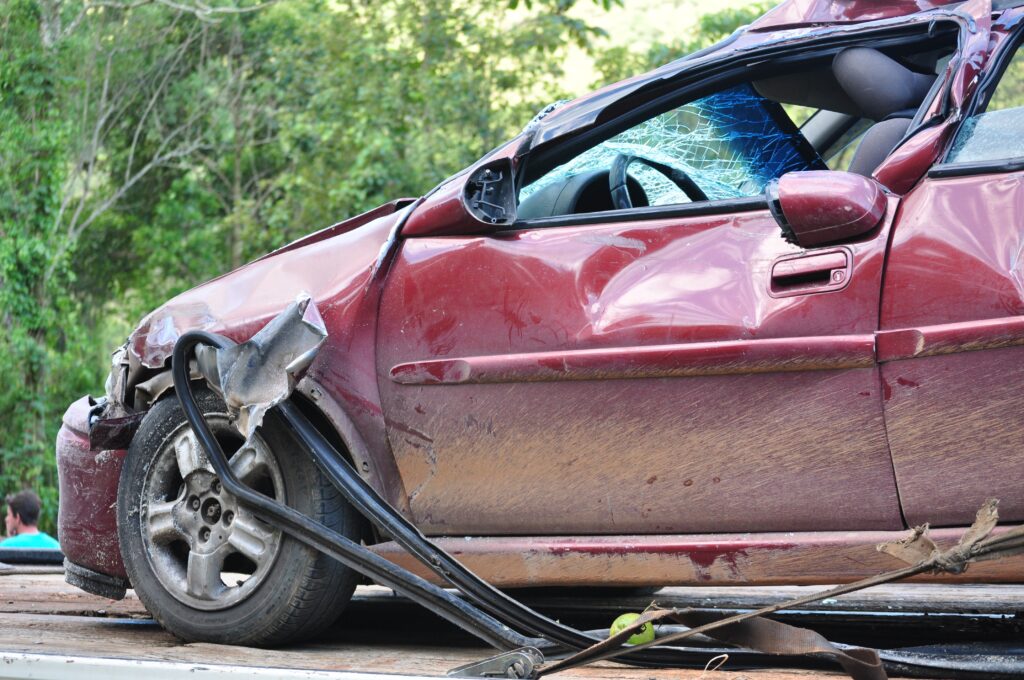
One of the most direct reasons for a sudden increase is a recent claim. Even a minor accident can cause your insurer to view you as a higher-risk driver. At-fault accidents typically raise premiums the most, but even not-at-fault claims can sometimes impact your rate depending on your insurer.
Claims for collision or comprehensive coverage, like theft or storm damage, can also lead to higher premiums at renewal.
You Received a Traffic Violation
Speeding tickets, reckless driving, or other violations can significantly increase your insurance cost. Insurers regularly check your driving record, and once a violation appears, your premium may rise at your next renewal.
More serious offenses, such as DUIs, can cause dramatic increases or even policy cancellation.
Your Policy Renewed With Higher Base Rates
Even if you have a clean record, your premium can still go up due to industry-wide rate increases. In 2026, insurers are adjusting prices due to rising repair costs, inflation, and increased claim frequency.
This type of increase affects many drivers at once and is not tied to your personal driving behavior.
You Moved to a New Location
Your ZIP code plays a major role in your insurance rate. Moving to an area with higher traffic density, theft rates, or accident frequency can result in a noticeable premium increase.
Even relocating within the same city can change your rate depending on local risk factors.
Your Credit Score Dropped
In many states, insurers use credit-based insurance scores when calculating premiums. If your credit score has declined, your insurance rate may increase, even if your driving record remains clean.
This is one of the most overlooked reasons for sudden price changes.
You Added or Changed a Vehicle
Upgrading to a newer, more expensive, or higher-performance vehicle can increase your premium. Cars with advanced technology, expensive parts, or higher theft rates typically cost more to insure.
Even switching to an electric vehicle can raise your insurance cost due to specialized repair requirements.
You Adjusted Your Coverage
If you recently increased your coverage limits, added comprehensive or collision coverage, or lowered your deductible, your premium will naturally rise.
Sometimes these changes happen automatically during policy renewal if your insurer updates recommended coverage levels.
You Lost a Discount
Many drivers don’t realize how much discounts impact their total premium. Losing a safe driver discount, bundling discount, or low-mileage discount can cause your rate to increase suddenly.
For example, if you started driving more miles per year or removed another policy from the same insurer, you may no longer qualify for certain savings.
You Added a Driver to Your Policy
Adding a new driver, especially a young or inexperienced one, can significantly increase your premium. Teen drivers and high-risk drivers have the biggest impact on pricing.
Even if the new driver rarely uses the car, insurers still factor in their risk level.
Hidden Reasons Most Drivers Overlook
Some insurance increases happen for less obvious reasons that many drivers don’t consider.
Increased Claims in Your Area
If more accidents, thefts, or weather-related claims occur in your area, insurers may raise premiums for everyone in that region. This type of adjustment is based on local risk trends rather than individual behavior.
Vehicle Repair Costs Have Gone Up
Modern vehicles are more expensive to repair than ever before. Advanced driver-assistance systems, sensors, and electronic components make even minor repairs costly. Insurers pass these costs on to policyholders through higher premiums.
Insurance Company Recalculated Risk Models
Insurance companies constantly update their pricing models using new data. Even if your profile hasn’t changed, updated algorithms may classify you as slightly higher risk than before.
How Much Can Your Insurance Increase?
The size of the increase depends on the cause.
- Minor rate adjustment: 5% to 15% increase
- After a traffic ticket: 20% to 40% increase
- After an at-fault accident: 30% to 80% increase
- Adding a teen driver: can double your premium
Understanding the reason behind the increase helps you determine whether it’s temporary or long-term.
How to Lower Your Car Insurance After a Price Increase
Even if your premium has gone up, there are effective ways to bring it back down.
Shop Around for Better Rates
Insurance companies price risk differently, so switching providers can often result in immediate savings. Comparing quotes is one of the fastest ways to reduce your monthly cost.
Increase Your Deductible
Raising your deductible lowers your monthly premium. While this increases your out-of-pocket cost in case of a claim, it can significantly reduce your ongoing expenses.
Review Your Coverage
Make sure you’re not paying for unnecessary coverage. If you drive an older vehicle, dropping collision or comprehensive coverage might make financial sense.
Ask About Discounts
Many insurers offer discounts that you may not be using. These include safe driver discounts, bundling discounts, low-mileage discounts, and telematics programs.
Improve Your Credit Score
If your credit score has dropped, working to improve it can help lower your insurance premium over time.
Maintain a Clean Driving Record
Avoiding accidents and violations is the most effective long-term strategy for keeping your insurance costs low.
When You Should Be Concerned About a Rate Increase
Not all increases are unreasonable. However, you should take action if:
- Your premium increased significantly without explanation
- Your rate is much higher than average for your profile
- You haven’t compared quotes in over a year
In these cases, reviewing your policy and exploring alternatives is essential.
Is It Normal for Car Insurance to Go Up?
Yes, it is completely normal for car insurance rates to increase occasionally. Even safe drivers experience price adjustments due to external factors like inflation, repair costs, and regional risk changes.
However, large or frequent increases should not be ignored. They are often a sign that better options may be available elsewhere.
Final Thoughts
A sudden increase in car insurance can feel unexpected, but it is rarely random. Whether it’s due to personal factors like claims and violations or broader industry trends like rising repair costs, there is always a reason behind the change.
The key is not just understanding why your rate went up, but taking action to control it. By reviewing your policy, comparing quotes, and optimizing your coverage, you can often reduce your premium and avoid overpaying, without sacrificing the protection you need.
Frequently Asked Questions
Why did my car insurance go up if I had no accidents or tickets?
Insurers adjust rates for many reasons beyond your driving record. Rising repair costs, inflation, higher claim frequency in your area, and changes to your insurer’s pricing models can all push premiums up. A lower credit score or a move to a new ZIP code can also trigger an increase. The Insurance Information Institute explains auto insurance basics at https://www.iii.org/article/auto-insurance-basics.
How long will a rate increase stay on my policy?
It depends on the cause. Surcharges from accidents or tickets usually last three to five years, depending on your state and insurer. Increases driven by industry-wide rate changes remain until market conditions shift or you switch providers.
Can I ask my insurer to lower my premium?
Yes. Call your insurer and ask for a policy review to catch discounts you may be missing, such as safe driver, bundling, or low mileage discounts. You can also ask about raising your deductible or adjusting coverage limits to bring the premium down. Learn what a basic auto insurance policy covers at https://www.iii.org/article/what-is-covered-by-a-basic-auto-insurance-policy.
Will switching insurers help me get a lower rate?
Often, yes. Insurers price risk differently, so a driver who looks expensive to one company may get a far better rate from another. Comparing quotes from at least three insurers at each renewal is the most reliable way to find a lower price.
Does getting insurance quotes affect my credit score?
No. When insurers check your credit for a quote, they use a soft inquiry, which does not affect your credit score. You can shop around as much as you like without worrying about your credit.