

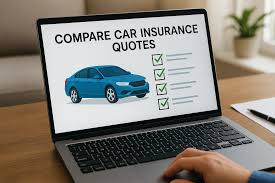
Your renewal just landed, and the price has gone up again. You opened the letter, stared at the new number, and felt that familiar mix of annoyance and defeat. You are probably thinking: I have not crashed, I have not moved, I have not changed anything, so why am I paying more?
Before you pay it, know this: the same driver with the same cover can be quoted hundreds of dollars apart by different insurers, because every company prices risk with its own formula. Half an hour of disciplined comparison is worth more than any single discount.
Why comparing saves you real money
Premiums for identical cover routinely differ by hundreds of dollars between insurers. One company prices commuters gently and punishes young drivers. Another does the opposite. You cannot know which one favours you without asking several of them. If this is you, paying the renewal price because comparing feels like homework, you are the customer the renewal price was designed for.
Loyalty rarely pays you. Insurers gradually raise renewal prices on customers who do not shop. The quote you accepted three years ago is almost certainly not competitive today. A fresh set of quotes is the only way for you to find out.
Comparing properly also protects you against a bad fit. A cheap quote with weak claims service is not a bargain. Look at the insurer behind the price, not just the number.
Before you start: get your details ready
Quote tools ask you for the same things: driving licence number, vehicle identification number, current policy details, driving history including accidents and tickets, and annual mileage plus primary use. Have them ready and be accurate. Guessed details produce misleading quotes, and discrepancies found later can affect your claims. You are probably thinking: does it really matter if I round my mileage a bit? Yes, because the quote built on your rounded numbers is not the price you will actually pay.
Decide your cover first, then compare prices for that exact cover. Know your state required liability limits. Then decide on collision, comprehensive, uninsured motorist, and medical cover based on your car value and your situation. A paid off older car may only need liability cover. A financed car needs full cover.
How long will this take you? If your details are ready, a first quote takes minutes, and a full comparison takes under an hour. Your cover can usually start the same day.
How you compare, step by step
Use several quote sources
No single site sees the whole market. Use two or three comparison sites plus direct quotes from two or three insurers. Comparison sites are convenient, but some favour paying partners, so treat them as a starting point. Favour tools that show multiple insurers, let you customise cover, and do not demand a phone call to see prices.
Free car insurance quotes are exactly that: free. Legitimate comparison never charges you. Any site asking you for payment to show quotes is one to close immediately.
Keep the inputs identical
This is where most comparisons go wrong. Same liability limits, same deductibles, same drivers, same mileage, everywhere. A quote with a 250 dollar deductible is not comparable to one with a 1,000 dollar deductible. The cheaper premium may just be a more expensive claim waiting to happen to you.
Write your chosen cover down before you start, and use the same numbers on every site. If a site nudges you toward different limits, change them back. Your comparison is only honest if the inputs match.
Compare more than the premium
Look at what differs under the hood: roadside assistance, rental reimbursement, accident forgiveness, claims satisfaction, and complaint ratios. A policy that is 80 dollars cheaper a year but fights your every claim is not cheaper. You already know the answer: the cheapest quote is only cheap until you need it.
Complaint data helps you. Your state insurance department publishes complaint ratios that are more useful than any advert. The National Association of Insurance Commissioners explains how to find your state department and what its complaint data means.
Apply every discount
Run each quote with all discounts you might qualify for: bundling, good driver, low mileage, defensive course, telematics, paperless, autopay. Discounts are the easiest money in insurance and the most commonly left behind. Our guide on car insurance discounts most drivers miss lists the ones people forget.
Usage based programmes deserve a look if you drive carefully. They price your actual habits rather than your demographic. For a careful low mileage driver like you, they can beat a standard quote by a clear margin.
Check the bundle while you compare
If you also need home insurance, ask for a home and auto insurance bundle quote while you compare. Bundling the two with one insurer usually earns a discount on both, and it is worth pricing alongside the standalone quotes. It is not always the cheapest route for you, so compare the bundle total against the best separate totals before deciding.
What this looks like with your numbers
Picture your own numbers: a clean record, a five year old sedan, and 12,000 miles a year. Quotes for identical 100/300/100 liability plus 500 dollar deductibles might range from 1,400 to 2,100 dollars across six insurers. That 700 dollar spread is pure shopping profit, available to you for half an hour of work.
The Consumer Financial Protection Bureau offers neutral guidance on comparing financial products, including insurance. It is worth reading if any quote or sales tactic looks questionable to you.
Mistakes that would kill your saving
Comparing price alone is the classic error. Cover differences hide in the fine print. Other errors include ignoring your state requirements, comparing once and never again, and entering different details on different sites, which makes your comparison meaningless. If this is you, comparing once, picking a winner, and forgetting about it for three years, you have not beaten the renewal trap. You have just postponed it.
Be careful with your data. Use reputable sites, read the privacy policy, and expect follow up calls or emails. That is the business model. A site that will not show you prices without a phone call is a lead generator, not a comparison tool.
Also watch your renewal. A quote that wins today can lose next year. Insurers reprice constantly. The discipline is annual comparison, not a one off effort. Our guide on how to lower car insurance premiums fast covers the other levers that work alongside comparison.
When you should re-shop outside renewal
Do not wait for the renewal letter. Re-shop when you move, even across town, since garaging location is a major rating factor. Re-shop when a teen driver joins or leaves your household, when you pay off the car, when you retire or start working from home, and after any ticket or accident falls off your record.
Each of these changes your risk profile, which means your current price is suddenly based on a person you no longer are. A quick two quote check after any big life change catches the saving early for you.
If you decide to move insurers, do it without a gap. Cancel the old policy only after the new one is confirmed in force, with the start date in writing. Our guide on how to switch car insurance without a lapse explains the handover in detail.
Now buy it: digital insurance
Comparing online and buying online are now the same process for most insurers. Digital car insurance means you can get quotes, choose cover, pay, and receive documents without a phone call or an agent visit. For a straightforward case like yours, it is fast and it works.
To buy auto insurance online instantly, have your details ready, choose your cover, and check the documents before you pay. Confirm the start date and time, the listed drivers, the garaging address, and the deductible. A digital policy is a real policy, with the same legal force as one bought through an agent.
Digital is not always the best route for you. If your situation is unusual, a claim is open, a licence is suspended, or you need an SR-22, an agent or a direct phone call can resolve questions a website cannot. Use digital for the straightforward cases and human help for the complicated ones.
Frequently Asked Questions
How to get a car insurance quote without an agent
You do not need an agent to get a car insurance quote anymore. Quote tools on insurer websites walk you through your details and return a price in minutes, and the policy you buy that way carries the same legal force as one bought across a desk.
How long does it take to get car insurance this way? A single quote takes a few minutes, and a full comparison of five or six companies fits inside an hour. That speed is a gift and a trap: it makes shopping easy, and it tempts you to stop at the first cheap number you see.
You will also meet name your price style tools that ask for a monthly budget and then trim cover to fit it, so check what got trimmed before you buy. And you will see AI insurance quotes appearing on more quote sites. Treat them as a starting point, because the price still changes once the insurer verifies your record.
How often should I compare car insurance quotes?
At least once a year, before each renewal. Also compare after major life changes: moving, a teen driver joining, retirement, or paying off the car. Insurers reprice constantly, so last year winner is often this year loser for you.
Are online quotes accurate?
They are accurate if your inputs are accurate. The final price can shift slightly after the insurer verifies your record and details, but a careful quote is usually within a few percent. Deliberately wrong inputs produce fiction, not quotes.
Should I trust comparison websites or go direct?
Use both. Comparison sites are efficient for breadth, but some prioritise paying partners. Direct quotes from two or three insurers fill the gaps. Cross checking the two is how you catch skewed results.
Will comparing quotes hurt my credit score?
No. Insurance quotes use soft inquiries, which do not affect your score. You can run as many as you like without consequence, which removes the last excuse for not shopping.
How do I switch auto insurance after comparing?
Choose the new policy, confirm its start date in writing, then cancel the old one. Never cancel first. Overlapping by a day is far safer than a gap, and it keeps your continuous cover record intact.
Are free car insurance quotes really free?
Yes. A free car insurance quote costs you nothing to run, and a legitimate auto insurance free quote never asks for payment to reveal prices. The free quotes car insurance sites advertise refer to the quote, not the policy, and you can run as many as you like. If a site demands money before showing prices, close it, because that is not a quote tool, it is a trap.
How do I find the cheapest auto insurance quotes?
Start by deciding your cover, then compare each auto insurance quote on those exact numbers. Gather quotes for car insurance from five or six companies, including smaller insurers the big advertisers never mention, because an auto insurance quote cheap enough to beat your renewal by a wide margin often comes from a company you have never heard of. The insurance car cheapest headline is usually just state minimums, so line your insurance car insurance quotes up side by side with the same limits and deductibles before you crown a winner.
How do I get car quotes for insurance on two vehicles at once?
Run car quotes for insurance on both vehicles in the same session, because most quote tools apply the multi-car discount automatically. Getting insurance quotes for vehicles together also shows you whether one policy for both cars beats two separate ones. Run the quote for both cars together, then ask for an insurance quote on car two alone, so you can see exactly what the multi-car discount is worth. A vehicle quote insurance page will usually let you add the second car mid-quote without starting over.
Should I buy from a car insurance agency or quote directly online?
Insurance companies for cars sell the same policy either way, so the choice is about help, not price. A car insurance agency earns its keep when your situation is complicated: a suspended licence, an SR-22, or a claim in progress. For a straightforward driver, quoting direct online is faster, and driver insurance quotes from a car insurance co website carry the same legal force as ones from an agency desk.
How should I read auto insurance comparisons on review sites?
Treat them as a starting point, because many comparison sites rank paying partners first. A list naming the best car and auto insurance for everyone rarely names the best price for you, and the best insurance car company for a clean-record commuter is rarely the cheapest for a young driver with a ticket. Pull your own quotes from top rated car insurance picks and smaller carriers alike, then check complaint ratios, because top rated vehicle insurance on a review list can still overprice your profile.
After I get a quote on car insurance, what happens next?
You apply, the insurer verifies your licence, record, and details, and the price may shift slightly from the quote. Insurance quoting sites earn money from leads, so expect follow-up calls or emails after you submit. Once you pay, the documents arrive and the cover starts on the date you chose, so keep your old policy active until the new one is confirmed in force.
Your renewal does not have to be the price you pay. Pick your cover, enter identical details in several places, compare on value rather than price alone, and redo it every year. Thirty minutes of disciplined comparison routinely saves hundreds, and it is the single most reliable way to cut your premium. Start with your first quote today, while this is still in front of you.


[…] for newcomers vary wildly between companies, far more than for established drivers. Our guide on how to compare car insurance quotes online walks through doing this […]
[…] a small limit as a buffer for copays and passengers, but skipping it is defensible. When you shop, compare quotes with identical medical cover so the price differences reflect the insurer, not the […]
[…] shop your existing cover against the market. Comparing car insurance quotes online on identical limits and deductibles shows whether your insurer is overcharging you or whether your […]
[…] the add-on. If the add-on costs a small share of the gap, it is a fair deal for you. Running a few car insurance quotes with and without the feature shows the gap in real […]
[…] learn how quotes actually work, because comparing policies is the core of the job. Our guide to comparing car insurance quotes online covers the process from the buyer’s […]
[…] rule can cost more than a slightly dearer premium with free monthly payments. Our guide to comparing car insurance quotes explains how to keep quotes comparable, including the payment […]
[…] version. Many dealer policies allow cancellation with a refund of your unused portion. Our guide to how to compare car insurance quotes online sets out a method that works for gap cover […]
[…] the same way you would compare any insurer: same cover, same limits, same deductible. Our guide to comparing car insurance quotes online shows how to keep that comparison […]
[…] association discount. A combined policy can sometimes use the better discount. Running a few car insurance quotes with and without your partner listed shows the real difference for […]